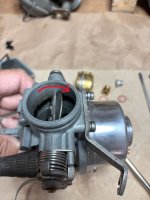
1972 CB450 K5 Hot Mess

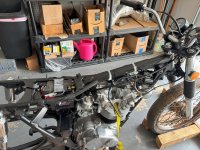
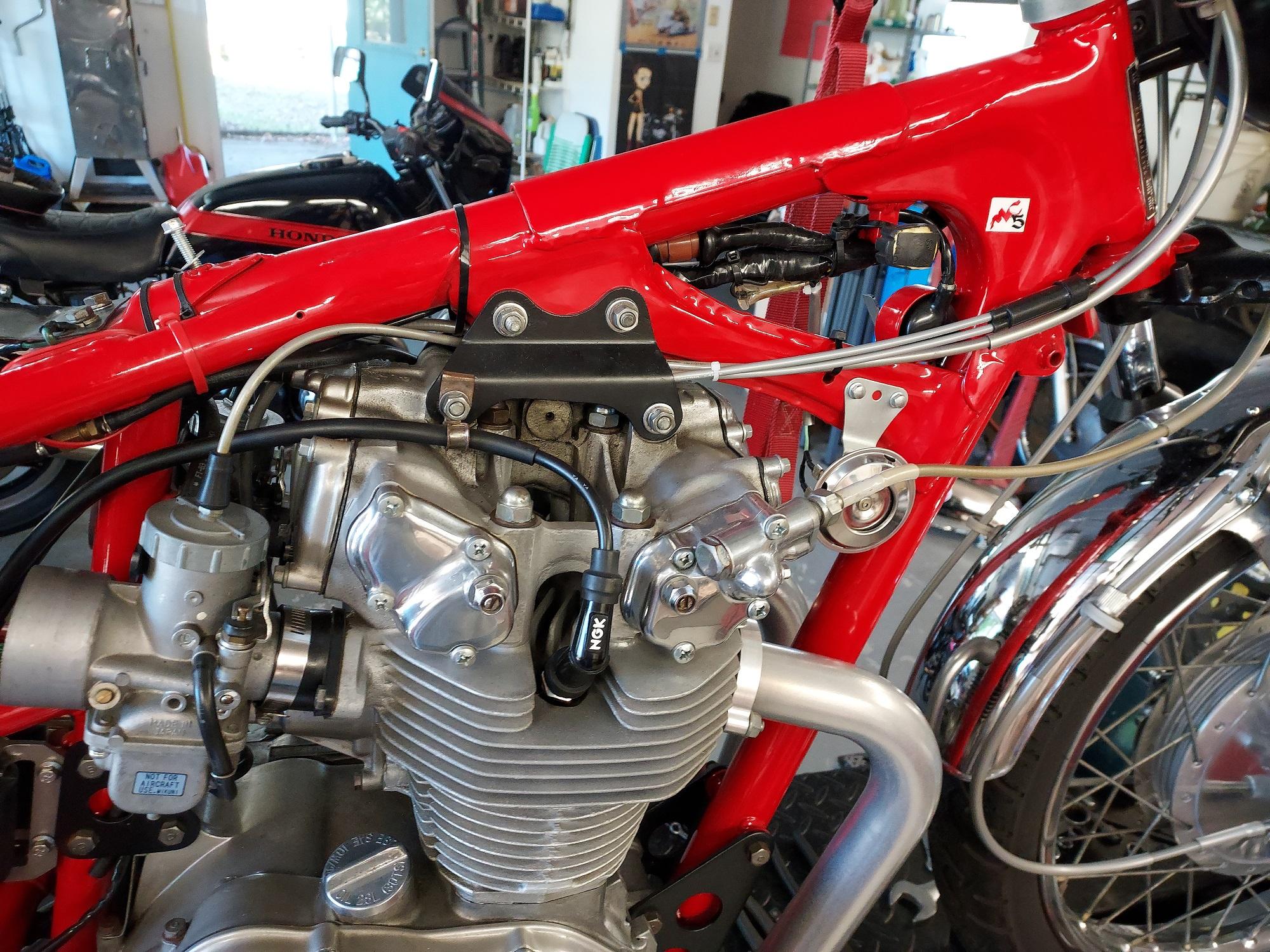
Much cooler here in North Carolina today so spent some time in the garage. Got the carburetors installed but not 100% happy with the cable routing. Got the throttle and clutch cables routed correctly as best I can tell but happy to accept som e constructive critiquing.

Throttle cable along left side. Cable splits on either side of the crankcase vent.
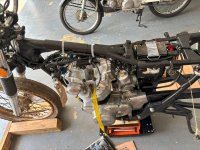
IMG_5094.jpg

Clutch cable along right side.

IMG_5098.jpg

Concerned where clutch cable is press up on left carburetor throttle shaft/arm. Close up.
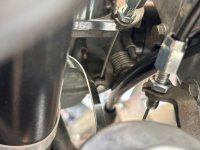
IMG_5099.jpg

None of this is permanent so I appreciate suggestions. I have got to pull the left carburetor again anyway as I noted the piston is a little sticky and not dropping all the way when pushed up. Got better after I worked it a bit but want to pull and see if I missed a small burr or something.
 
Last edited:
I used the same routing for both cables. My clutch cable also touches the left throttle shaft but does not seem to interfere with the operation of the shaft.
 
That is good to know, it doesn't seem to be pressing hard on the shaft but sometimes it doesn't take a lot to throw something out of kilter.
 
I ran my clutch cable in between the motor mount plates to give it a closer, more vertical angle to go beside the carb

BWO4VJ1.jpg
 
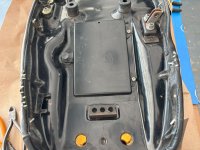
Working on odds and ends, sutured the small splits on the bottom edge of the seat as @ballbearian suggested, I used a a carpet needle and some fairly thick nylon thread/line and put a small drop of super glue on each knot to hold in place. I think Dr. Frankenstein would approve.

IMG_5104.jpg


Otherwise busy with home projects so haven't made much progress, I did go back and make sure all the fasteners I had previously installed are properly tightened, installed the front peg mounts so I could torque the main engine mount, resorted parts and basically stared at the darn thing trying to make sure I haven't missed any thing. I think next step is to wet the carbs and see if they hold fuel properly without leaking or overflowing.
 
Inching closer to engine start today, Checked the gap on the ND plugs (preset at 30) and installed along with the caps. Bolted the headers on and then setup the remote fuel bottle and connected to the carburetors. Rolled a pet wee wee pad under the carbs just in case of a leak and turned the valve on. (Stupid valve handle is sideways open and inline, down when shut. Standards people, adhere to standards!) Watched fuel feed down the lines and then stop. Waited about 15 minutes and noted a slight smell of fuel on the left side, nothing out overflow outlets and no drips. Finally felt the bottom of left float bowl which was damp and up the forward side as well. Shut the fuel off and drained the lines and then removed the left carb and drained the fuel from it. My wife said it was time to put up my toys and cleanup for dinner so will look the carb over tomorrow and see if I can find where the bowl was leaking. :p

IMG_5108[1].jpg
 
It will be interesting to see what the culprit is. What float height are you using? 20mm?
Yes 20mmm used both a business card cutout and a digital caliper but I'm talented so I still could have set it wrong. New floats but I will check and see if it is leaking by chance check the needle and seat to see if there is any crud stuck in the seat. Check the sealing surfaces to see if I missed a bit of old gasket or a crack or some other defect. When I pulled the carb there was no evidence of fuel in the rubber insulator so I really don't think it was flooding just a leak at the bowl gasket.
 
When I pulled the carb there was no evidence of fuel in the rubber insulator so I really don't think it was flooding just a leak at the bowl gasket.
That would make it seem like a float level or float needle issue, but I guess we'll see. Given that it was the first time the system saw fuel, it might even self-correct.
 
I wouldn't be surprised if I find the float level high and another issue causing the actual leak. Hopefully I have some time this weekend to play.
 
Pulled the left carb and inspected everything and no obvious issues like leaking or stuck float, debris in the needle/seat or something like that. Reassembled the float and checked the level and it was out about 1/2 mm! Checked several more times and showed the same. OK set the level and if anything just a hair low but left well enough alone. Pulled the right carb just to check and the float seemed to be right at 20mm so left it as is and put carbs back on bike. Hooked up fuel and the left carb show no sign of any leaks even with lightly shaking the bike, BUT the right carb started spitting fuel out the overflow! What the heck! Tapped carb but continued to spit out the overflow so pulled right carb again and disassembled No obvious issues but when checking float level seemed a bit high so readjusted a bit and now blaming it on my eyes. Put the right carb back on on and hooked up fuel and it held with no leaks for about 30 minutes. I know the clear tube method would be more precise but I will go with this for now.

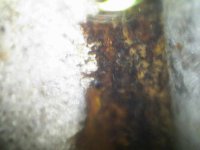
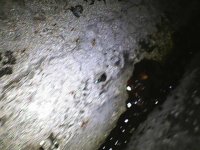
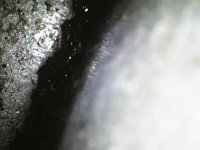
I have also been working on cleaning and de-rusting the tank off and on since last year when I filled with kerosene for about 2 months and let soak which appeared to cut most of the old gas crud, drained and came out nasty and super stinky. Filled with vinegar and let soak a week or so and a lot of crud came out but tank was still very rusty. Coated with some fresh kerosene and a little motor oil to stop any fresh rust and didn't mess with until a month or so ago when I washed it out with about a quart of gas and drained and then filled with Blaster Metal Rescue and let soak for a week or so just sloshing around occasionally. Drained, filtered and refilled adding some old nuts, washers and such. Let soak a few more days and drained and flushed out with water shaking the tank. A lot of scale and crud came out and looks better but no cigar. Upper tank area clean metal but I could still see scale deep in the valleys. Mixed up a fresh batch of metal rescue refilled and have been soaking for the last few days. At least there has been no evidence of any leaks which is amazing considering the amount of crud and scale have come out of the tank. I recently ordered a cheap endoscope and took some pictures down in the valleys. The rest of the tank looks pretty good but I wouldn't be surprised to see it leak when I fill it up with gas which is more slippery than water

Right side

IMG_5116.JPGIMG_5117.JPG

Left Side

IMG_5118.JPGIMG_5119.JPG


Time for a beer and to grill some Kabobs. Hope everyone here in the US is enjoying their Labor Day weekend so far!
 
Made a go for engine start today and on the good side it didn't do an Elon Starship on the launch pad and blow up but didn't get it to start either. Got some pops from the exhaust at first and then after opening the choke and holding the throttle open got back fires through the carb with some nice flames. Feels like the timing is too advanced cause also gettin some kickback on the starter as well. Pulled the plugs and they are wet with fuel with a little dirty black carbon from trying to fire but not soaked. Confirmed I am getting spark from both plug leads and decided to call it a day. I am going take a a hard look at the timing and see if I botched it up when I set it statically and then go from there. Other things to check are valve clearance and the ignition advance unit to make sure I didn't get it 180 off and not sticking. As they say if it was easy anyone could play. :rolleyes:
 
I'm hoping for the simple fixes. I know you've been careful every step of the way and have probably verified the cam timing multiple times, but you might double-check that, if necessary, after confirming the points wiring and advancer orientation.

Addendum: The cam timing is documented in this post. (took me a while to find, so creating a bookmark)
 
Last edited:
In addition to advancer, check that you don’t have the coil leads backwards. I swear I’ve lost count of the number of times I’ve done this.
Success! Pete looks like you win the prize, at least for initial engine start! Been busy with other stuff the last couple of days but pulled the bike out it's corner and swapped the points wires per your suggestion. Key on, stop switch on, choke on (carbs should still have gas in them or I have another problem) and held my breath and hit the start button. Sweet sound of the right cylinder hitting pretty solid, left not so much. Only ran a second or two but darn sounded good to me. Turned off kill switch and key and got gas hooked back up and was able to get both cylinders hitting and header pipes getting hot. Right cylinder happier than the left but at lease it runs. Battery getting pretty low at this point so got it on charge right now. 2 amp charger so will take awhile.

Now to quote @Danager4792 from a PM the other day,

I was gonna jokingly warn you a month ago, but I forgot to. "Now that the fun part of reassembly is over, you will now experience the pain of tuning the bike ;)"

At the moment it is a pain I am looking forward to but I reserve the option to change my mind. :cool:
 
Success! Pete looks like you win the prize, at least for initial engine start! Been busy with other stuff the last couple of days but pulled the bike out it's corner and swapped the points wires per your suggestion. Key on, stop switch on, choke on (carbs should still have gas in them or I have another problem) and held my breath and hit the start button. Sweet sound of the right cylinder hitting pretty solid, left not so much. Only ran a second or two but darn sounded good to me. Turned off kill switch and key and got gas hooked back up and was able to get both cylinders hitting and header pipes getting hot. Right cylinder happier than the left but at lease it runs. Battery getting pretty low at this point so got it on charge right now. 2 amp charger so will take awhile.

Now to quote @Danager4792 from a PM the other day,

I was gonna jokingly warn you a month ago, but I forgot to. "Now that the fun part of reassembly is over, you will now experience the pain of tuning the bike ;)"

At the moment it is a pain I am looking forward to but I reserve the option to change my mind. :cool:
Nice! That first idle - even when it's choppy as hell - is the best music.
 
Helped my wife with a few chores and waited for the battery to charge for a bit and tried restarting. Took a bit but both cylinders starting to hit well and headers heating up. I believe the plugs were fuel fouled but finally dried out. Still very far from tuned but better. Right carb dripping a bit from overflow so it has to come back off. Overall very pleased and got a stupid smile on my face. Gonna do fall prep yard work this afternoon so probably not much more progress but hope to dedicate a day this weekend. :giggle:
 
Helped my wife with a few chores and waited for the battery to charge for a bit and tried restarting. Took a bit but both cylinders starting to hit well and headers heating up. I believe the plugs were fuel fouled but finally dried out. Still very far from tuned but better. Right carb dripping a bit from overflow so it has to come back off. Overall very pleased and got a stupid smile on my face. Gonna do fall prep yard work this afternoon so probably not much more progress but hope to dedicate a day this weekend. :giggle:
Still feels good to make some progress. Keep the thought of low rpms until oil flow gets to the top end in the back of your mind, doesn't take much to start galling followers when cold.
 
Thank you for the reminder and I am watching the rpms. Thankfully it has not done like some engines I have seen on a first start and start racing as soon as they crank.
 
Rob, Nice to see your making continued progress and have a running bike now.

Regarding the seeping carb issue with the one side. Can you not test them off the bike rather than installing them only to find an issue. The fuel valve on that one maybe not sealing completely and allowing the fuel to continue to seep slightly and over flow.
I am not familiar with the CB450 DOHC carbs yet suspect the fuel valve is a metal tip. You could setup a leak test with the clear tube method to see if the level rises over time. You could reset the float level to lower the level on that carb. Then attach your clear tube and watch to see if it rises over time in the clear tube which will confirm your getting leakage from the fuel valve and seat.
 
Rob, Nice to see your making continued progress and have a running bike now.

Regarding the seeping carb issue with the one side. Can you not test them off the bike rather than installing them only to find an issue. The fuel valve on that one maybe not sealing completely and allowing the fuel to continue to seep slightly and over flow.
I am not familiar with the CB450 DOHC carbs yet suspect the fuel valve is a metal tip. You could setup a leak test with the clear tube method to see if the level rises over time. You could reset the float level to lower the level on that carb. Then attach your clear tube and watch to see if it rises over time in the clear tube which will confirm your getting leakage from the fuel valve and seat.
I have considered making up some kind of jig to hold the carbs at about the same angle as when on the bikes so I could test off the bike but didn't want to invest the time in it to be honest and I figured I could sort it out pretty quick. If I continue to have issues I will I to reconsider that. I have actually had issues back and forth with both carbs overflowing so is kinda weird. I have reset both floats a bit low, 19.5 mm, so shut off sooner. I am very unlikely to go on a any high speed runs any time soon so shouldn't be a problem. The piston in the left cab is still sticking just a bit so it has to come off again anyway. GOOD TIMES!
 
As float height decreases, fuel level increases and vice versa. How about trying 20.5mm?
darn semantics. That is actually what I did but mixed up in my higher and lower. I used the cut out business card gauge I made which is 20 mm and made it a tight fit where it is just pushing the float down and the needle closed a bit quicker and estimated about half mm.
 
darn semantics. That is actually what I did but mixed up in my higher and lower. I used the cut out business card gauge I made which is 20 mm and made it a tight fit where it is just pushing the float down and the needle closed a bit quicker and estimated about half mm.
I know the phrasing gets tricky with those terms and I'm a little slow to understand your description of a tight fit now.

With a 20mm gauge you would want the needle to seat when the gauge is held 0.5mm above the base to get 20.5mm float height. I think we're saying the same thing and I'll take your word for it! =)

I have the adjustable gauge, but also use a set of mechanical calipers when they are the closest thing handy.
 
I will have to remove the left carburetor and check out the piston and cap as the piston is still wanting to hang in the up position occasionally and I will take a another stab at float height adjustment using a digital metric caliper. Honestly this is only my second round of carburetor rebuild and adjustments in about 30-40 years so I could definitively be using the wrong terms or worse adjusting it opposite of what I need to do. I used to be able to rebuild a Rochester Quadrajet on a carport in the dark with a flashlight in the middle of winter. Needs must.
 
Rob no need to build a jig for the carbs just a rectangular generic plastic container with 4-6” high sides. Then you can angle the carbs as needed against one side of the container or have them upright very easily.
Setting them with about 2 -3 mm of clearance if using the clear tube method below the top section of your float bowl would be my suggestion.
That gives you some extra room in fuel height and won’t starve you of fuel.
 
Rob no need to build a jig for the carbs just a rectangular generic plastic container with 4-6” high sides. Then you can angle the carbs as needed against one side of the container or have them upright very easily.
Setting them with about 2 -3 mm of clearance if using the clear tube method below the top section of your float bowl would be my suggestion.
That gives you some extra room in fuel height and won’t starve you of fuel.
Well that would be too easy! I tend to overthink things and that makes sense and I believe have just the container to give it a go and catch any spills. I am running errands tomorrow and I need to find a couple of plastic vacuum adapters to fit in the drain plugs and some clear hose. I do want the carbs to be right before I invest a bunch of time trying to tune it.
 
Decided to give it a try this morning and at least I have no fuel leaking from the overflows now but can't get the bike to idle. Right cylinder is doing most of the work and the left only kicking in when I give it some little throttle blips. It will start hitting but will run the RPM's up. I did pull the left carb cap and piston and lightly buff with some 0000 steel wool making sure I cleaned it up good. Really not see any imperfections but I believe it is still hanging occasionally. Are the caps and pistons the same from the 14H as the 723A's? I have a spare 14H and considering doing swap and fit if they interchange.

A couple of times the RPMS would not come down when I let off the throttle and go up to 3 or 4 thousand RPM and once I had to hit the kill switch so I also believe I need to take the advance apart and either tighten the springs or replace them. I want to go through the static timing process again anyway. Hey @Danager4792 I am in the fun part of tuning the bike! I did set up a fan in front of the engine to make sure it didn't overheat.

Put everything up and decided I was due a reward and take advantage of a beautiful day so took the S90 out for 30-40 minute ride around the back roads, needed a little wind. Promised my wife to help with seasonal chores this afternoon so may get back on it tomorrow or the next day. Thanks to everyone for all the tips and suggestions.
 
Question re idle v. carb rebuild.
Were the throttle plates removed in the cleaning process?

If they were, therein may be an issue.
Only the right carb throttle plate. It was not centered well and I had to remove, move and reinstall to get it to center. I was very careful to make sure the orientation was proper and the plates were facing the correct way but it is always possible I got it wrong. I believe the correct orientation is with the stamped number on the plate facing out. I will take a look at both of them though.
 
I know the phrasing gets tricky with those terms and I'm a little slow to understand your description of a tight fit now.

With a 20mm gauge you would want the needle to seat when the gauge is held 0.5mm above the base to get 20.5mm float height. I think we're saying the same thing and I'll take your word for it! =)

I have the adjustable gauge, but also use a set of mechanical calipers when they are the closest thing handy.
Looking at the picture of you measuring the float at 22mm in your thread helped me get my up and down straight and I do figure they are set at 20.5-21mm. So many things not working right anymore, eyes, hearing, strength, brain and the list goes on.
 
Oh oh, looks like you've entered the Danager zone! (apologies to Kenny Loggins)
These carbs can be a Dan shame!

Are the caps and pistons the same from the 14H as the 723A's? I have a spare 14H and considering doing swap and fit if they interchange.
I have personally never read any information in regards to them being different. They sure do look exactly the same. I would use a digital caliper and compare their measurements. I believe I have a spare 723A cap and piston if you need it. I'll look for it and check it's condition. Just let me know.

Decided to give it a try this morning and at least I have no fuel leaking from the overflows now but can't get the bike to idle. Right cylinder is doing most of the work and the left only kicking in when I give it some little throttle blips. It will start hitting but will run the RPM's up.
I have a couple of minor suggestions, excuse me if you have covered these in this thread previously. I have been through this before with my bike.

1) When you blip the throttle, do the idle arms on the carbs completely return to the idle arm stops? Just make sure the throttle cable isn't too tight or snagged anywhere. Also, make sure the clutch cable isn't rubbing the right side of the left carb.

2) You need to make sure the springs that tension the idle screws are tight. It shouldn't be easy to turn them with your fingers. If not, take them off and stretch them to add more tension. If they are loose, they will slowly unscrew themselves when they snap back and hit the stop arms.

3) Have you hooked up a timing light to each spark plug wire to verify consistent spark on each side?

4) Completely random and noobie of me, but one time I didn't snug a spark plug down all the way down and air "compression" was leaking out of one of the spark plug holes. They don't take much to get snug, I just didn't tighten one enough.
 
I believe the correct orientation is with the stamped number on the plate facing out. I will take a look at both of them though.
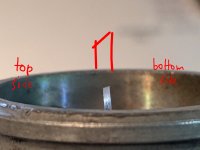
The most important thing to look at are the beveled edges on the top/bottom of the throttle plate.
  • As the throttle opens, the top edge of the throttle plate rotates forward and the bevel should be on the trailing edge (back side of the plate).
  • As the throttle opens, the bottom edge of the throttle plate rotates towards the rear and the bevel is again on the trailing edge (now the front side of the plate).
 
These carbs can be a Dan shame!


I have personally never read any information in regards to them being different. They sure do look exactly the same. I would use a digital caliper and compare their measurements. I believe I have a spare 723A cap and piston if you need it. I'll look for it and check it's condition. Just let me know.


I have a couple of minor suggestions, excuse me if you have covered these in this thread previously. I have been through this before with my bike.

1) When you blip the throttle, do the idle arms on the carbs completely return to the idle arm stops? Just make sure the throttle cable isn't too tight or snagged anywhere. Also, make sure the clutch cable isn't rubbing the right side of the left carb.

2) You need to make sure the springs that tension the idle screws are tight. It shouldn't be easy to turn them with your fingers. If not, take them off and stretch them to add more tension. If they are loose, they will slowly unscrew themselves when they snap back and hit the stop arms.

3) Have you hooked up a timing light to each spark plug wire to verify consistent spark on each side?

4) Completely random and noobie of me, but one time I didn't snug a spark plug down all the way down and air "compression" was leaking out of one of the spark plug holes. They don't take much to get snug, I just didn't tighten one enough.
The 14H and 723's do look identical and your right the best way to confirm the fit is check with a caliper. I have been checking the operation of the piston that was sticking since polishing with the steel wool including this morning and it is showing no sign of sticking so far which it did worse after sitting overnight.

The the idle arms are returning to the stops properly and the throttle stop screws and springs are new Honda parts I ordered from Northeast Vintage Cycle. For the clutch cable I bought an assortment of nylon cable clamps from Harbor Freight and used one to position it a bit away from the throttle shaft on the left carb. I attached the clamp to one of the valve cover bolts. I haven't hooked a timing light up to it yet but that is a good idea to see if I am getting consistent spark especially on the left side. Your spark plug comment made me think about our pickup I changed plugs on back in high school and I was driving it to town and it started making a hell of a noise and I thought it throwing a rod or something., Pulled over and after checking found a plug that had not got tightened and unscrewed itself but thankfully was still in the plug wire cap so reinstalled. Thanks for looking and suggestions.
 
Last edited:
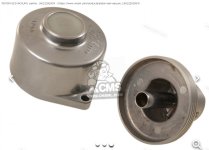
Try placing a small piece of HVAC tape over the little plastic window on the cap to eliminate the possibility of a minor erratic vacuum leak driving weird behavior.

Caps from the 14’s do fit the 723’s as well.

Also check the little cable splitter. Make sure both sides are seated well.
 
The most important thing to look at are the beveled edges on the top/bottom of the throttle plate.
  • As the throttle opens, the top edge of the throttle plate rotates forward and the bevel should be on the trailing edge (back side of the plate).
  • As the throttle opens, the bottom edge of the throttle plate rotates towards the rear and the bevel is again on the trailing edge (now the front side of the plate).
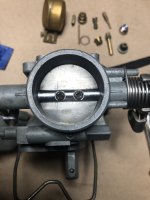
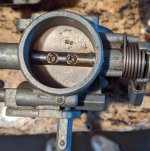
I will take a look at both plates to confirm that the bevels match the bore properly. I believe the stamped number on the plate corresponds to the bevel alignment as well as possible the main jet number the carb came with. I researched this at the time but as always can't remember all the details. Here is a picture of the carb before I pulled the plate from it. The screw heads are a mess but they were never successfully removed by the PO which i could tell from the way the other end was staked. Here is a picture before I removed it. Appreciate any and all suggestions that keep the senior moments at bay!

IMG_4706.JPG
 
Regarding the pistons, which areas were you cleaning? The larger outer diameter of the vacuum piston or the inner bearing on the cap? Or, all of the above?

Screenshot_20250907-082352.png Screenshot_20250907-082344~2.jpg

Regarding the bevel, the stamps may not be in the same location on all plates, although it can still be used to make sure you put something back the way it was.

Here's one of my spares with the stamp showing above the shaft, yet with the bevel in the correct orientation.

PXL_20250907_133506110.NIGHT.jpg

PXL_20250907_134507205.NIGHT~2.jpg
 
An easy way to confirm if the plate is seating well in the bore is to back light with a flashlight and look for any light coming through.
 
Regarding the pistons, which areas were you cleaning? The larger outer diameter of the vacuum piston or the inner bearing on the cap? Or, all of the above?

View attachment 49308 View attachment 49310
I have buffed the inside the cap both the outer cylinder bore and the inner shaft area lightly with the 0000 steel wool and on the piston I lightly buffed the grooved ring area and the stainless shaft in the center.

Regarding the bevel, the stamps may not be in the same location on all plates, although it can still be used to make sure you put something back the way it was.


Here's one of my spares with the stamp showing above the shaft, yet with the bevel in the correct orientation.

View attachment 49311

View attachment 49312
Thanks for the photos sure wished manufactures were consistent but that will be too easy. I am going to pull the carbs and disassemble and give a good clean just to make sure some random crud didn't get stuck somewhere while they were siting or during testing. I will check the bevel like the picture above to make sure that they are installed properly. May get some time today if mom lets me off for good behavior. I was out this morning helping with yard cleaning, removing 5 or 6 overgrown Yucca plants. Only bled a little but I think they are related to the plant in Little Shop of Horrors! She loves yard work and I love her so.......

LTSofH.jpg
 
Last edited:
I have buffed the inside the cap both the outer cylinder bore and the inner shaft area lightly with the 0000 steel wool and on the piston I lightly buffed the grooved ring area and the stainless shaft in the center.
Place the piston inside of the cap then hold it in the palm of your hand. With your right hand give it a good spin. It should be smooth as butter. See if you hear any rough metal on metal contact
 
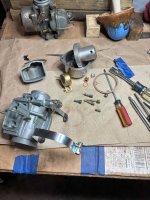
Worked on the carbs yesterday doing a complete tear down, clean and inspect. Ran guitar wire through all the openings and orifices followed by carb cleaner and don't think I missed any. Confirmed the throttle plates are installed with bevels in the correct orientation. 14H and mom mushroom repair project in background.

Right carb tear down, I use blue tape to hold guitar string so I don't lose it. Left carb and Right Carb bevel check

IMG_5145.jpg IMG_5138.jpgIMG_5144.jpg


Caps and pistons are clean and work smoothly and I tried @Danager4792 suggestion and spun the pistons and they spun freely with no noise. I appreciate @EzPete's confirmation the the caps and pistons on the 14H are are the same as the 723's and I intend to give them a good clean and polish and set aside as spares if the sticking problem reoccurs. I need to pick up some HVAC tape to tape over the cap plugs if needed per @EzPete suggestion about vacuum leaks there, I was sure I had a roll but you know how that goes. I may find it after I buy some new. I now have the floats set at 21.5mm using my digital caliper no picture I need third arm, thanks @stl360+450 for helping keep my head straight. I forgot to preset the idle mixture screws so need to do that but air speed set at 1 1/4 turn out.


Next step is to pull the ignition advance and see if I need to tighten or replace the springs.
 
Last edited by a moderator:
I guess it's good that the parts rotate freely (spin), but I wouldn't overdo that. They are meant to slide linearly (up/down) and I wouldn't want to risk introducing circumferential scratches or other wear that could impede the vertical movement. Unlikely maybe, but there's nothing to gain by spinning them, either.

Bevels look good.
 
Last edited:
I guess it's good that the parts rotate freely (spin), but I wouldn't overdo that. They are meant to slide linearly (up/down) and I wouldn't want to risk introducing circumferential scratches or other wear that could impede the vertical movement. Unlikely maybe, but there's nothing to gain by spinning them, either.
Nothing excessive, just a spin by hand letting it ride up and down a bit to see if you notice any catching or grinding that might indicate a burr.
 
Drained the Blaster Metal Rescue from the tank and could still see a thin line of rust in the valleys at the bottom so think the mix is no longer working. Flushed out and cleared the crossover pipes and capped everything off again, the interior looks good overall. Filled with a 4 gallon mix of Rust 911 and gonna let it sit a couple of days and check again.
 
Just thinking ahead are these the Yamaha 650 springs some folks have used to repair their advance units? If so do they need any modifications or are they ready to use as is? Thanks.

 
Back
Top Bottom