Alright points family... Avert your eyes. Also plz don't ban me.
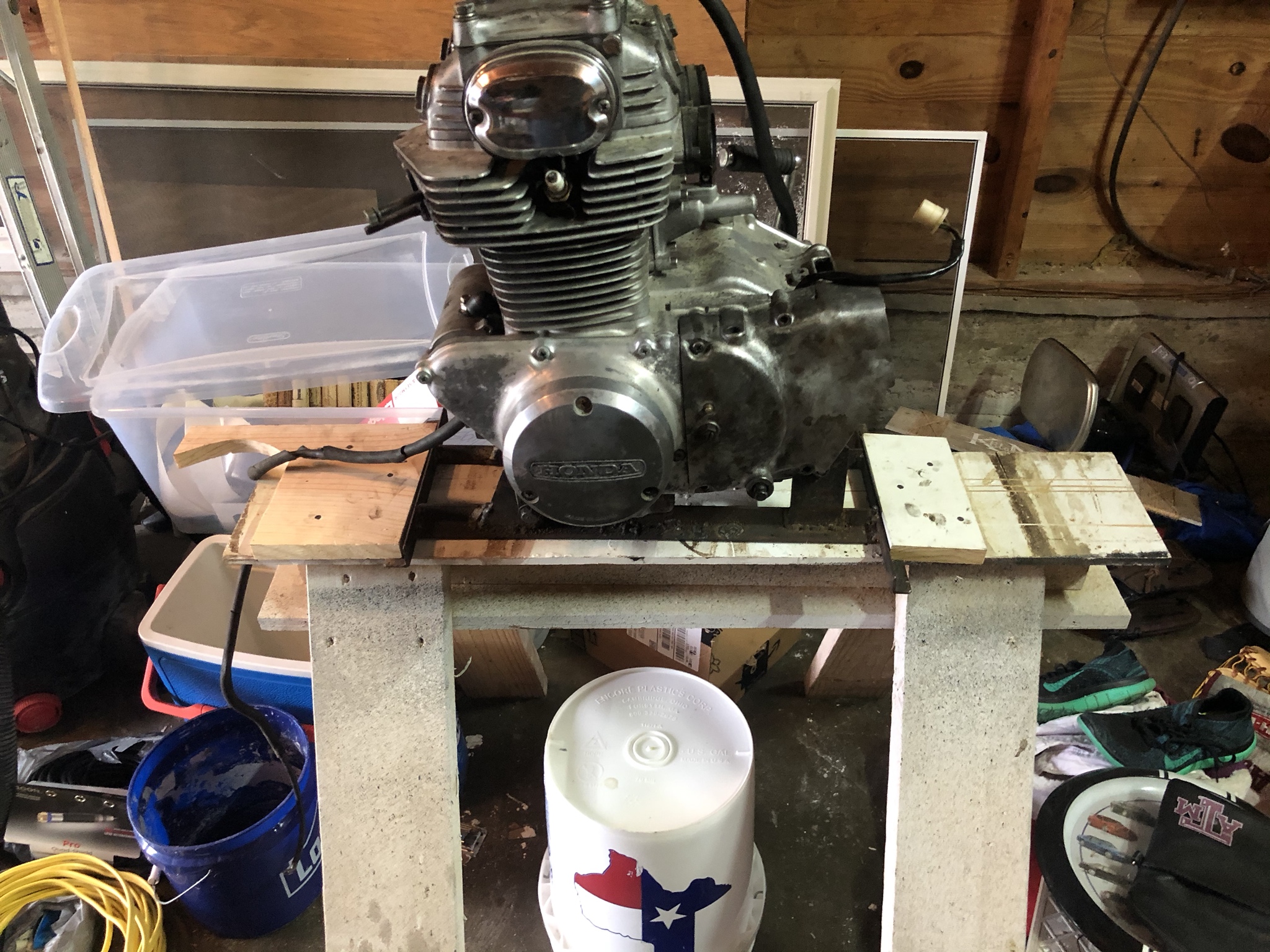
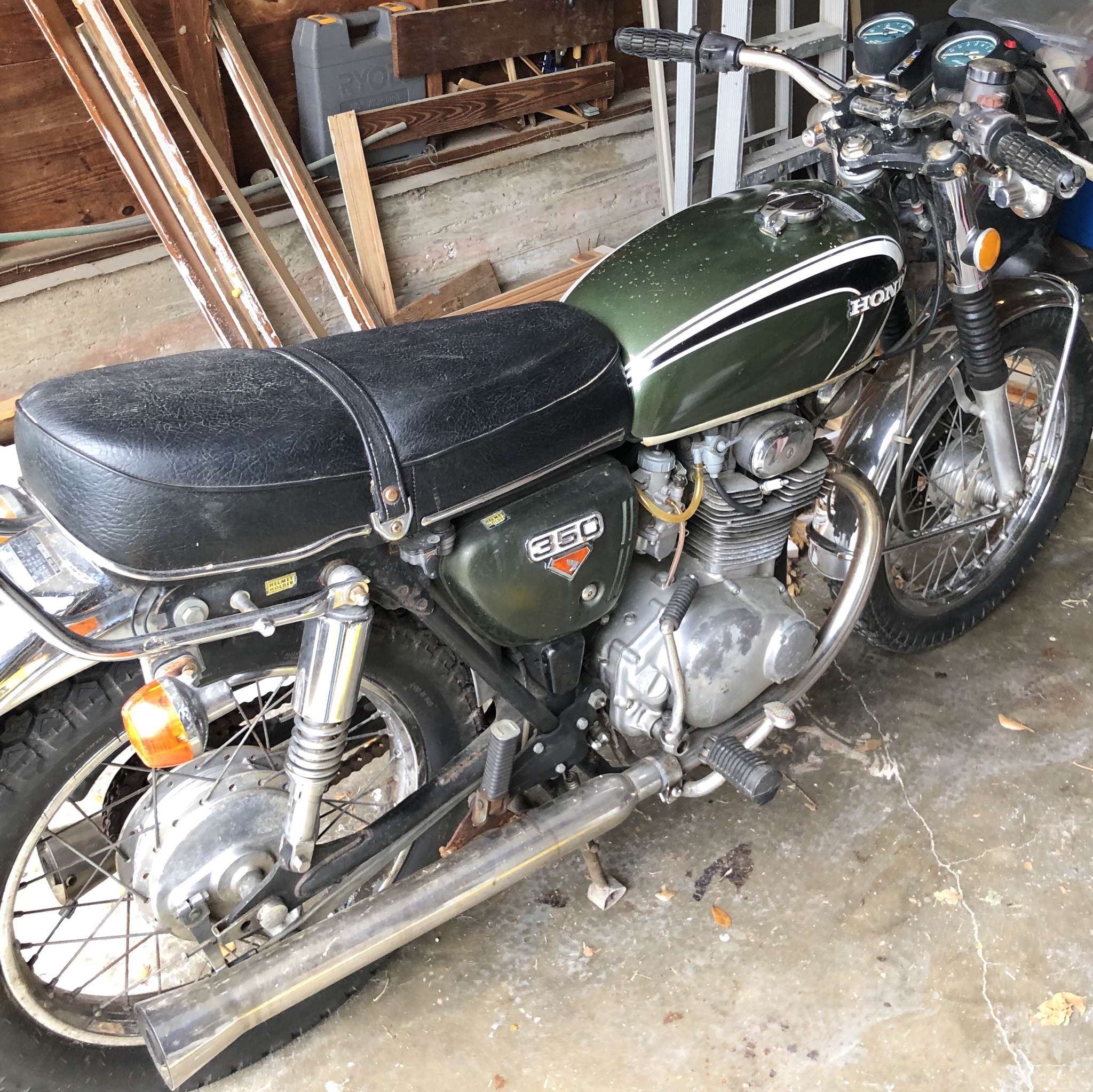
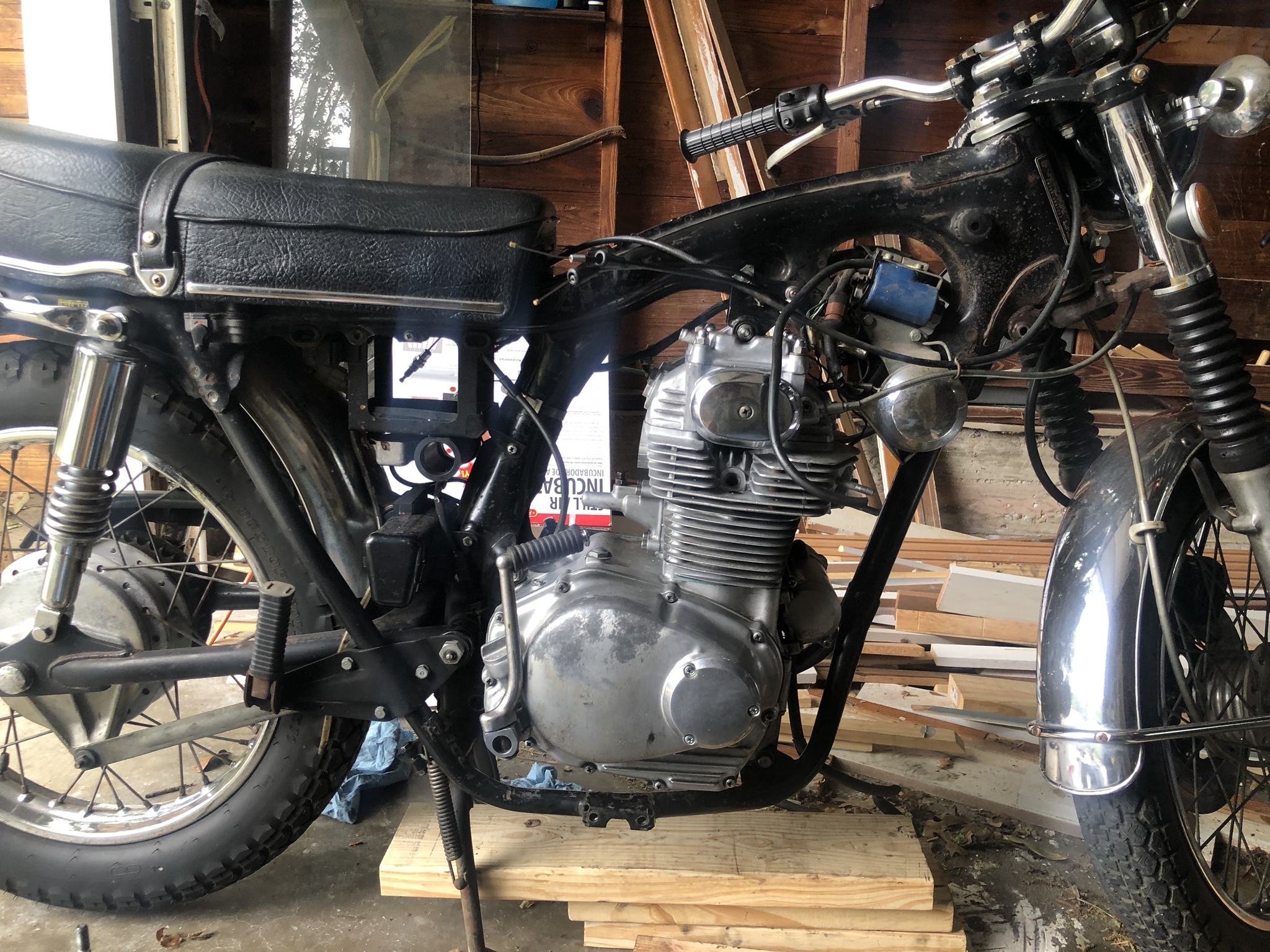
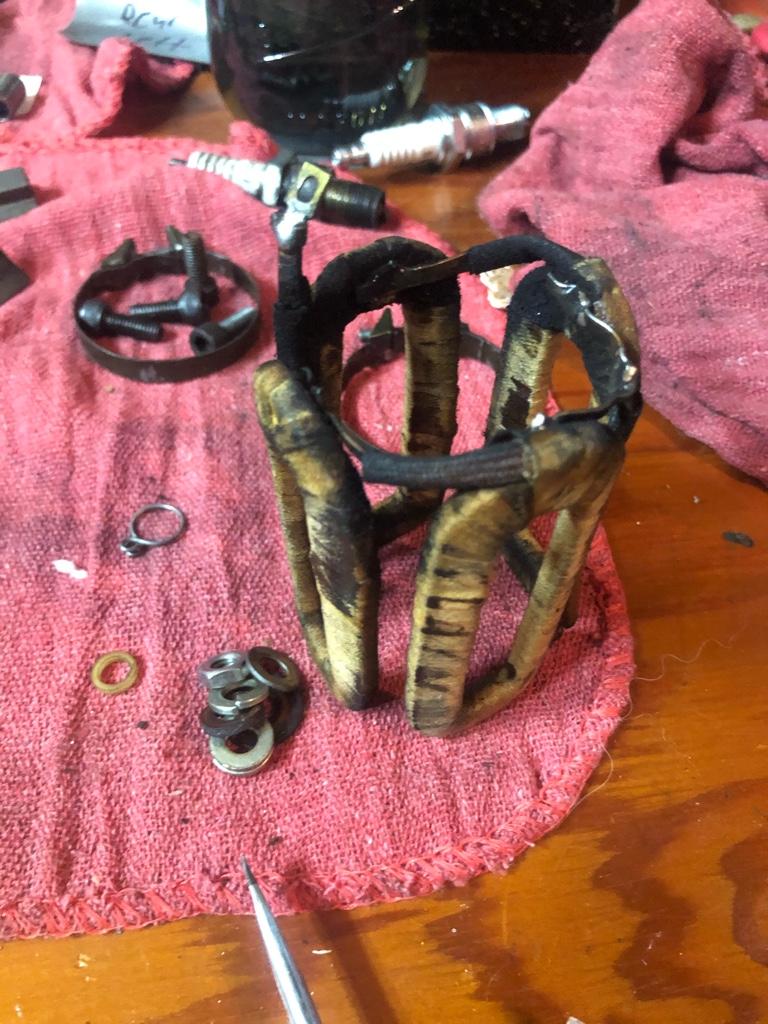
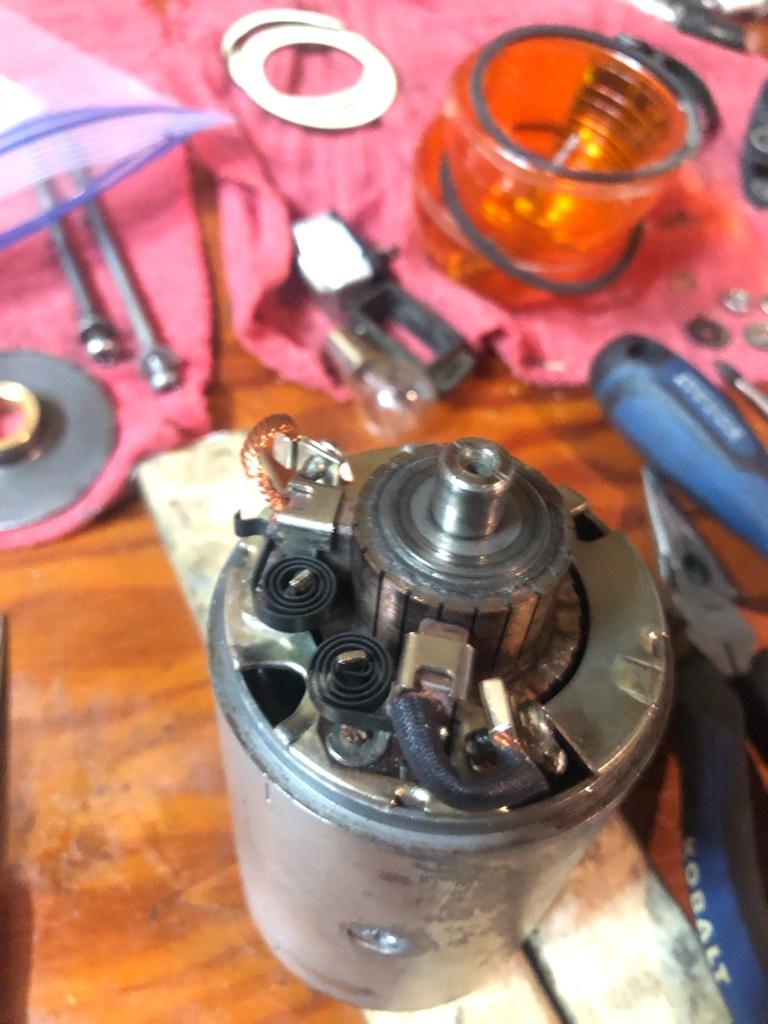
I'm rebuilding the pamco.
I've been obsessed this past week with learning how it works, and I understand electronic ignition better now, at least enough to diagnose/repair this one. Plus learning about it has been fun.
Here's everything I learned to demystify the pamco e/i:
First, it functions exactly the same way as points in theory. At least the gen1 unit that still relies on the mechanical advance. Ground to the coil is open until the cam spins to a point, closes the circuit to the coil, coil charges, cam spins to a new point that opens the circuit back up, coil makes spark. The difference is that the pamco relies on spinning magnets (one north pole one south pole) to switch the circuit on/off. The magnets, under the half moon dimples of the pamco rotor, go North Pole first closing the circuit and South Pole second opening the circuit back up. The basic components to accomplish this are a “Hall effect” sensor (switches on/off for magnet passes) and a transistor (I think pamco Pete speced an ignition specific one). The sensor senses the magnet and the transistor acts like a gate opening/closing the circuit to the coil. Resistors are combined with these components to control the flow. Not an electrical engineer so can’t say why Pete chose the size resistors he did, but those are labeled with stripes so easily replaceable.
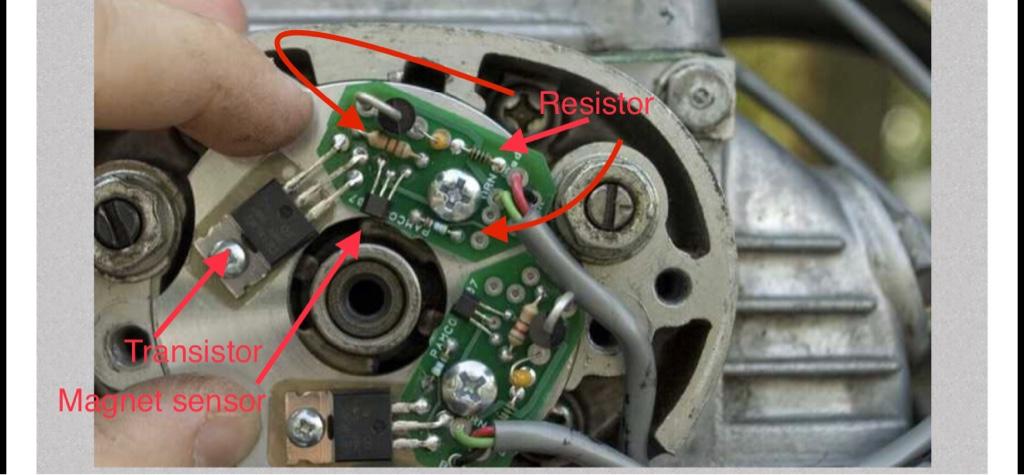
Here's a labelled diagram of the components above using one of pamco's instruction pictures. You’ll notice each board has 3 wires (green for coil ground, black for e/i circuit ground, and red for power), 1 each transistor and Hall effect sensor then 3 resistors. There are also two more components that I didn’t label that I’ll get to in a minute.
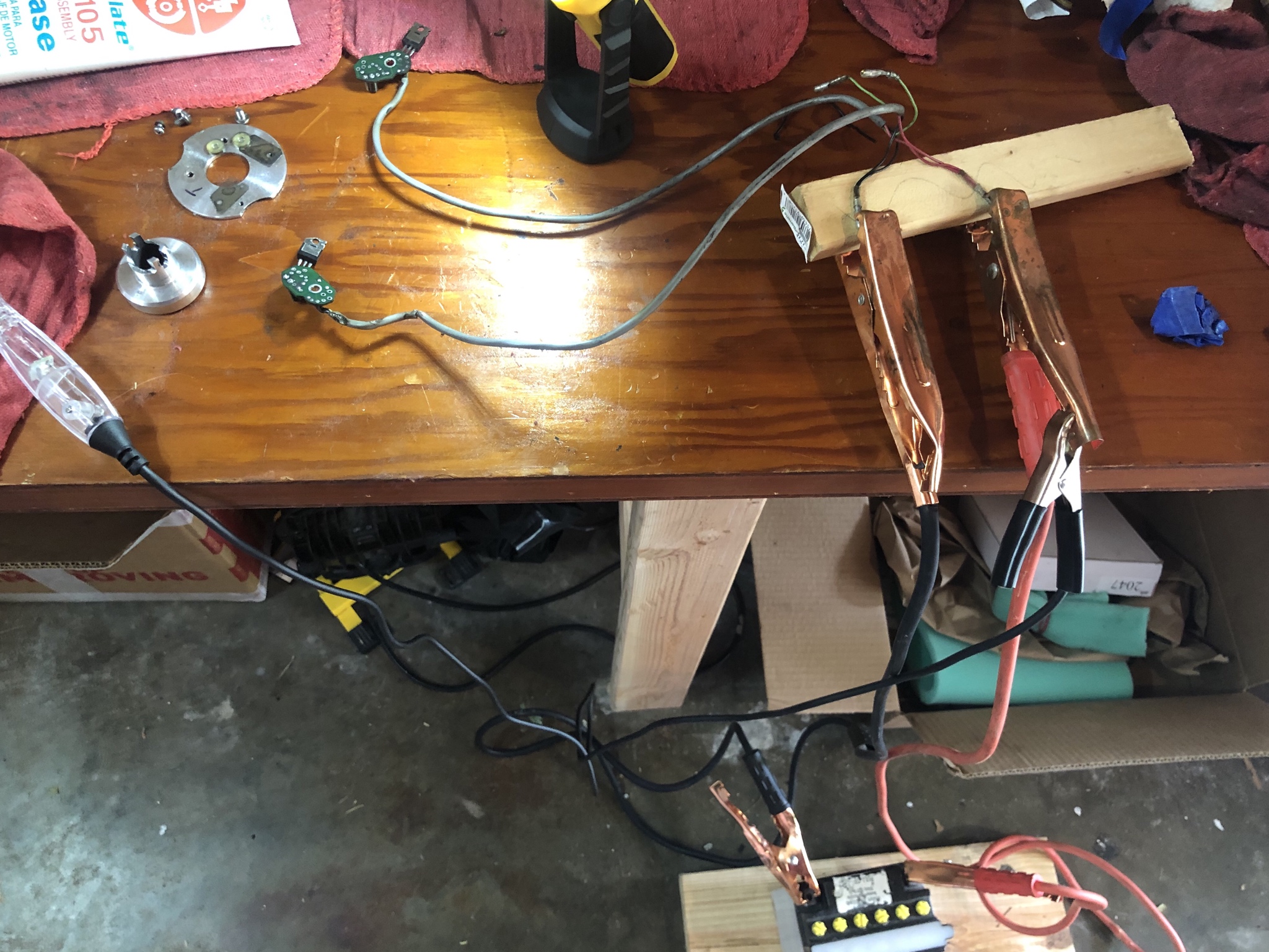
On my E/I, the left cylinder was missing a 8.2k ohm resistor which kept the circuit from closing. I replaced it earlier this week ($5 for 25 8.2k ohm resistors if anybody wants some). Here’s a video of me testing the left cylinder circuit after replacing the resistor, it works exactly as intended now:
https://imgur.com/a/NpI2Rqn
The two other components confused me, until I dove deeper and did more research.
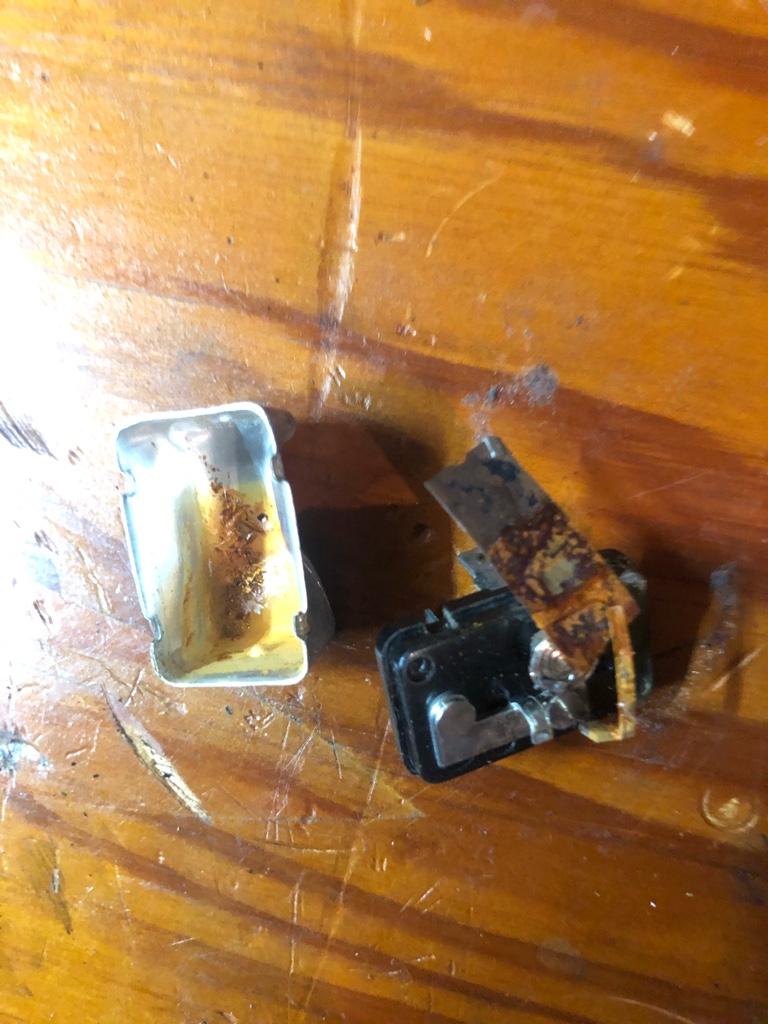
The large black cylindrical component in the corner of each board is what fell out and I found on the ground at the very beginning of my build. They have model numbers and I was able to find out they are “power rectifiers” which is a fancy phrase for diode and they function like check valves for electricity. However, the little yellow device next to it was missing on both of my circuits, see below:
Searching for the final component, I found this helpful website:
http://thebitwiserebellion.com/blog/2013/05/30/diy-electronic-ignition-conversion/
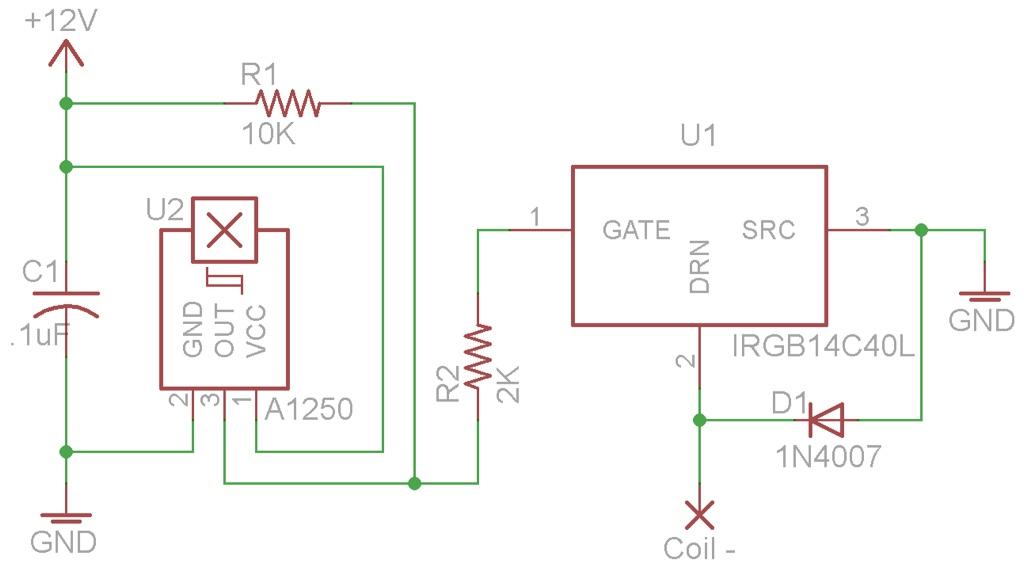
Here somebody builds a custom E/I for a CB77 and even cites the pamco unit as inspiration. Here’s his wiring schematic:
You’ll see that he lists mostly the same components as me above (hall sensor is A1250, transistor is IRGB thing, resistors and a diode D1) plus one more: a capacitor. He mentions it’s use in his article and quick google confirms the missing component from my circuit is a likely “decoupling capacitor” which is just any normal capacitor used specifically to filter noise. In our case, Pete used a axial one for space reasons and it acts to protect the circuit from the noise caused by the coil discharging. It also explains why my test bench worked without it, it’s just a safety valve. After asking around, I went with .1uf capacitors (also $5 for 25 on amazon) because the smaller value blocks higher frequency noise.
So maybe the pamco isn’t maintenance free like they claimed. But, all of the components are replaceable for cheap, the magnet wheel isn’t going to fail, and Pete’s board design is pretty smart. With a multimeter, test light and a soldering iron each component can be tested/replaced if you know what you’re looking at.
Sent from my iPhone using Tapatalk