1976 XL350K2 - An Off and On Project

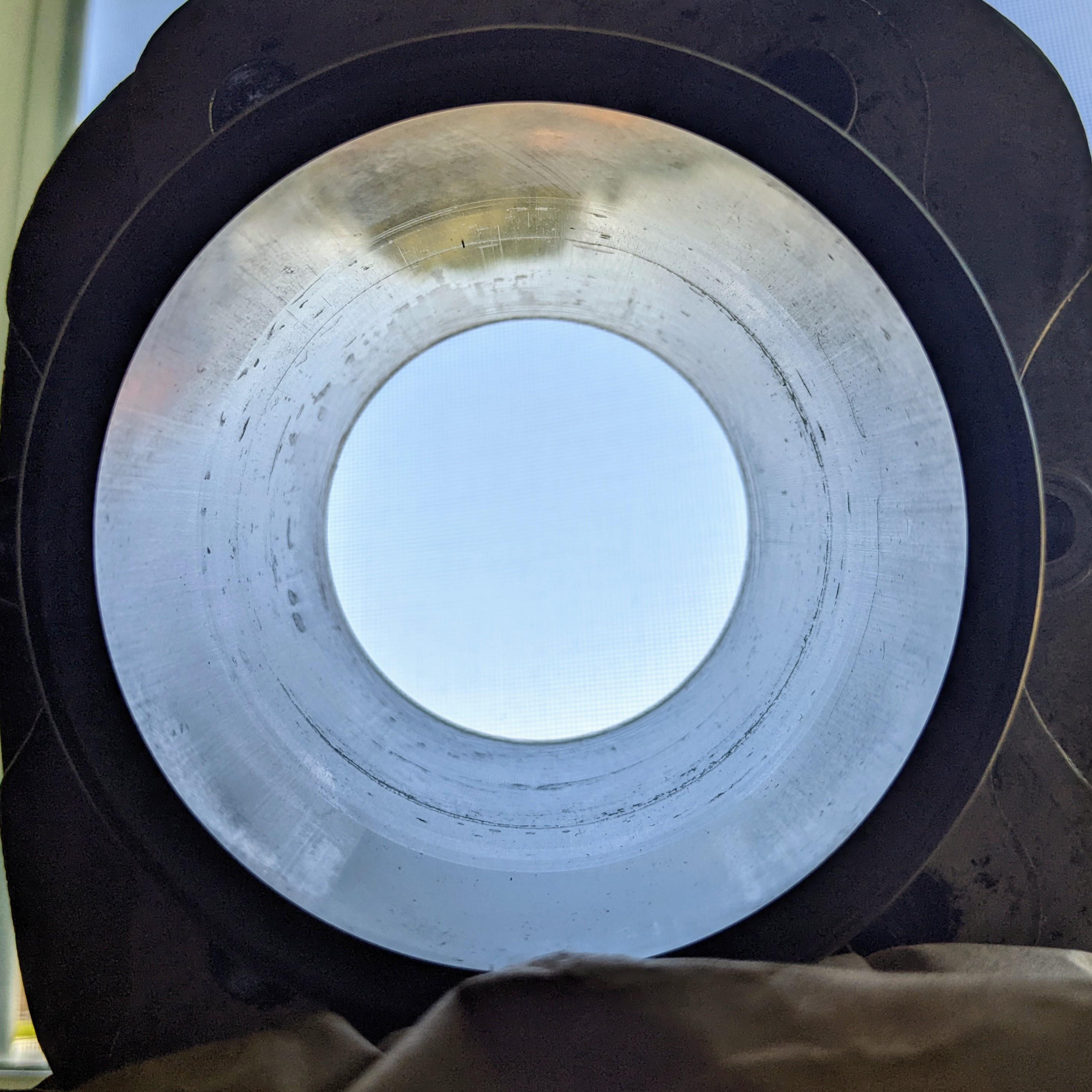
Most models did not have OEM sleeves available. My machinist uses sleeves for a lot of them that didn't specifically list a replacement sleeve. He said he usually sources these from LA Sleeve,
The one I found is LA Sleeve, but it was located in Australia and was about $200 AU.
 
It might be harder to find an oversized piston for the XL350 (PJ might know of an alternative, of course), but that cylinder can be bored to beyond 1mm over if needed and would be totally reliable at 2mm over, even 3mm over if needed to clean it up which would be highly unlikely.
 
It might be harder to find an oversized piston for the XL350 (PJ might know of an alternative, of course), but that cylinder can be bored to beyond 1mm over if needed and would be totally reliable at 2mm over, even 3mm over if needed to clean it up which would be highly unlikely.
There is a 412cc big bore kit, so this cylinder could work with that regardless, but I'll look for a cylinder that is suitable for the high compression +0.5mm kit if this one is too far gone. The cylinder I'm currently running is also stock, so in a worst case scenario I could use it.
 
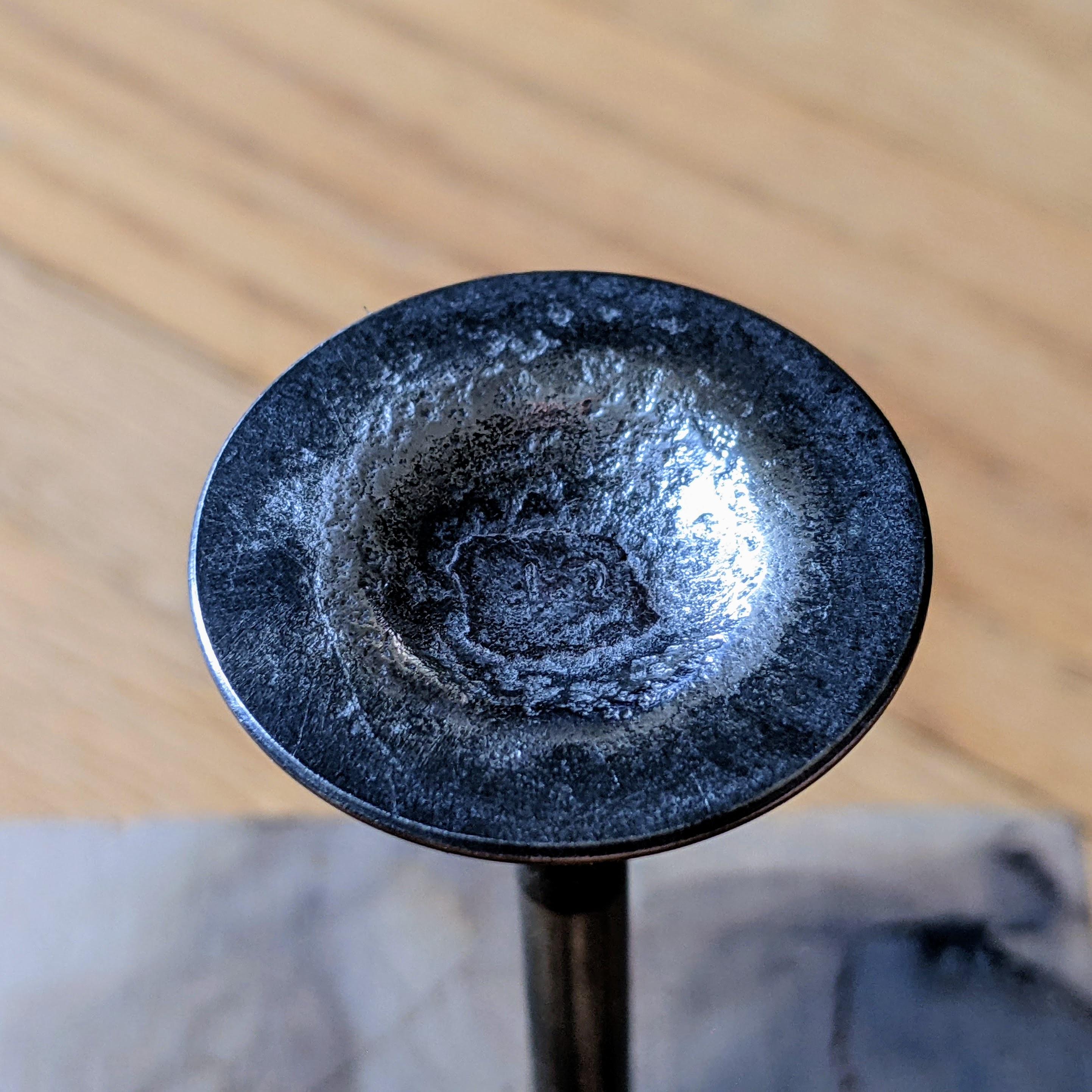
The seat looks a little bit on the wide side. Wire brush the crud off the valve so you can see how close to the edge of the valve it is.

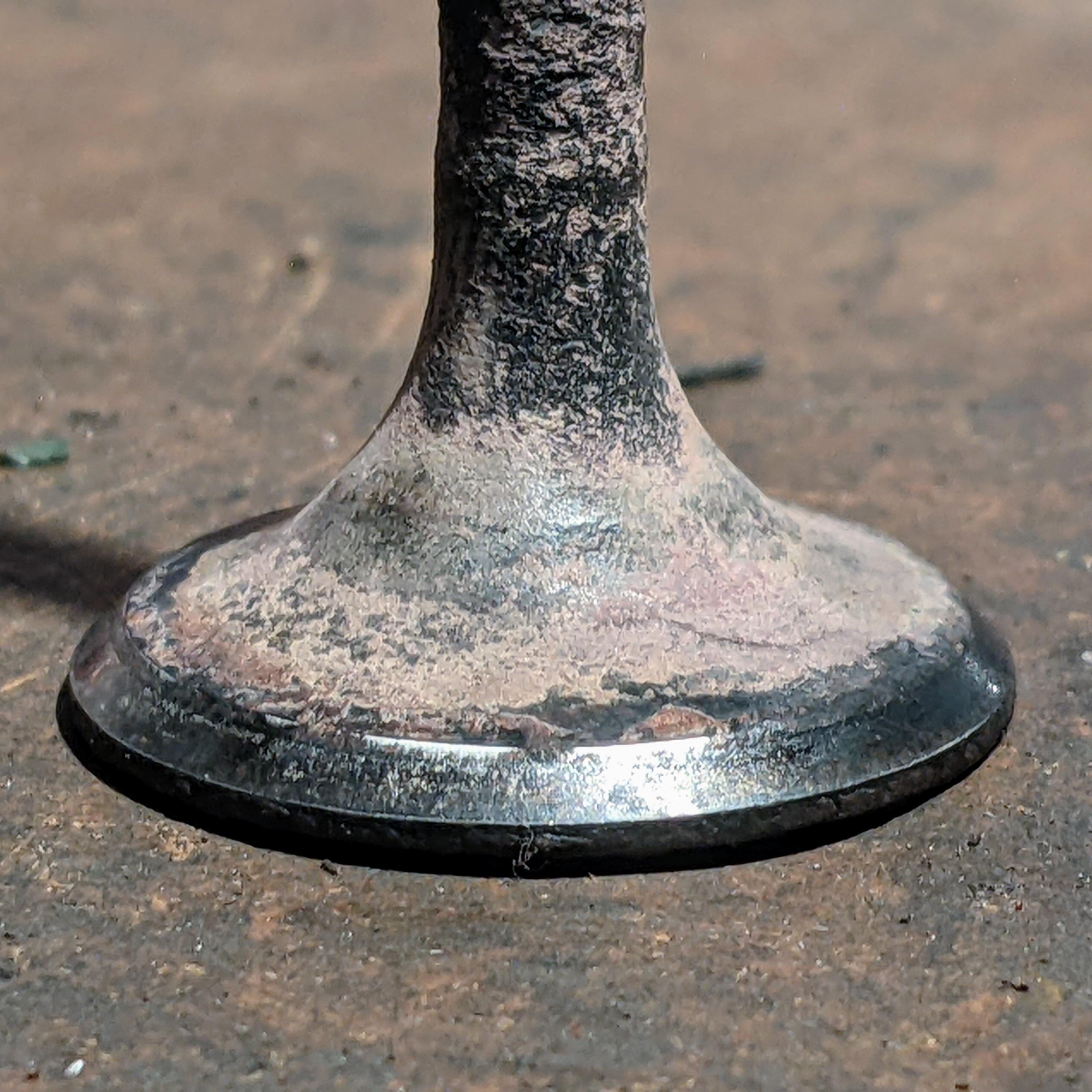
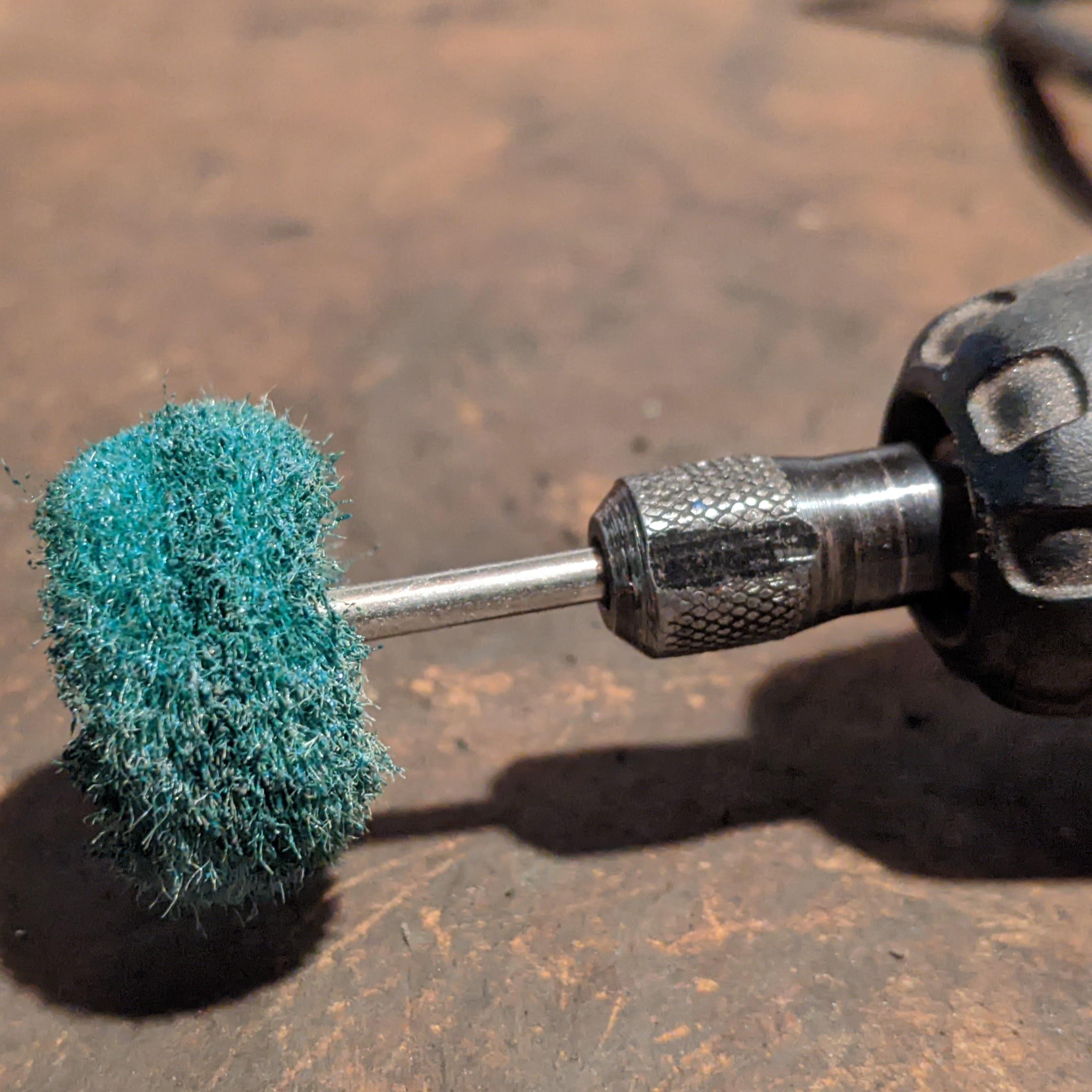
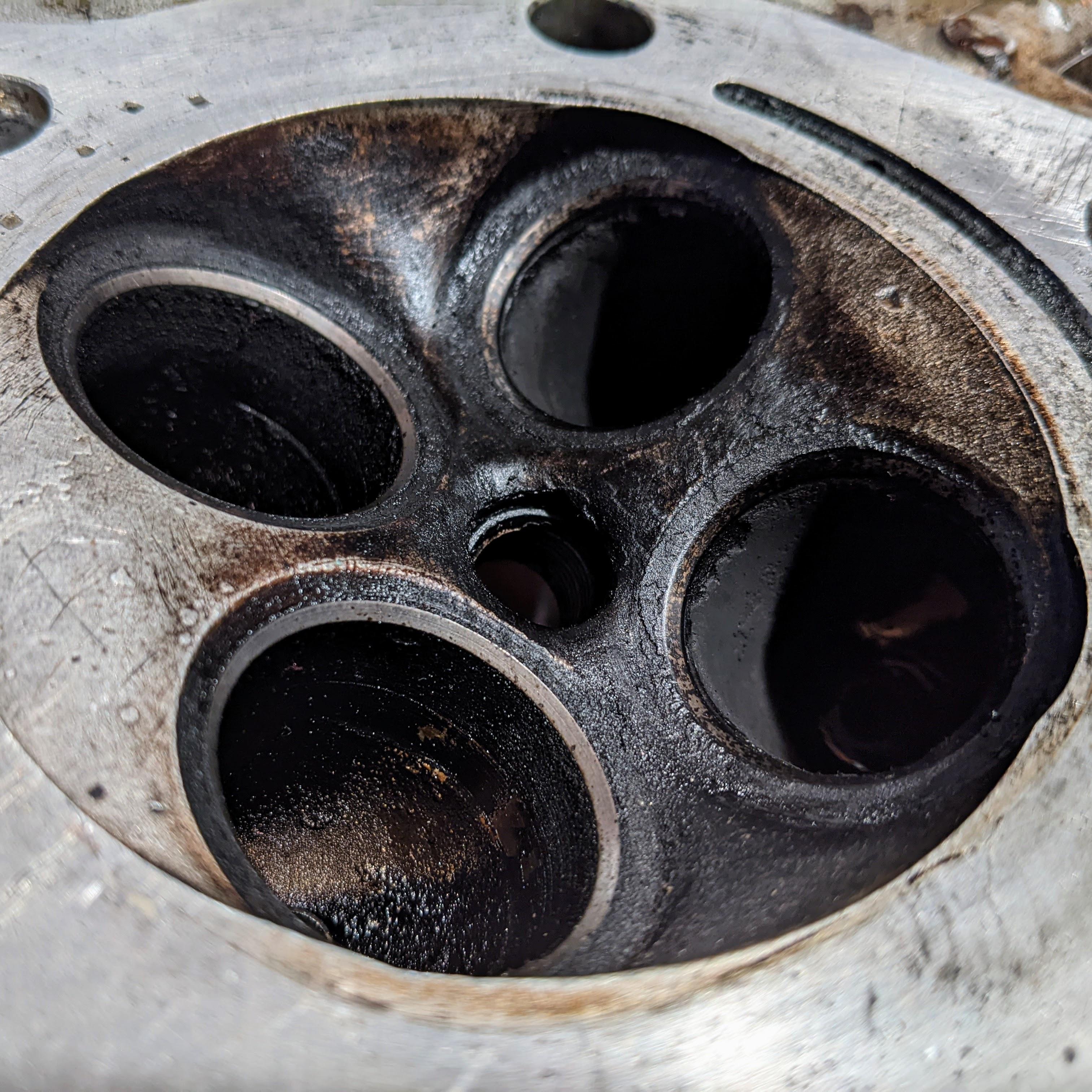
It took me a while, but I am looking at this XL350 head again. I was a little concerned about damaging the valve, but used a Dremel brush* at low speed to clean the crud off of the same valve that I showed earlier. Hopefully that brush is safe to use on the valve. I'm also including a picture of the valve seats. I have not done any head work, so my main goal here is to evaluate things without doing any harm. Any advice is appreciated.

KefBffG.jpg
zx02tqX.jpg
5y24siG.jpg


*Thanks to @ballbearian for providing me with some of these brushes when I visited his shop last summer. Hopefully I'm not misusing it on the valve stem!
 
If you need a standard XL350 piston with p/n 13101356000 I have a NOS one lying around (unfortunately no rings). Same for the kickstarter spindle (p/n 28250376000). Since I'm almost done with categorizing parts, I'm sure I have these items AND know where I have them stored ;)
 
If you need a standard XL350 piston with p/n 13101356000 I have a NOS one lying around (unfortunately no rings). Same for the kickstarter spindle (p/n 28250376000). Since I'm almost done with categorizing parts, I'm sure I have these items AND know where I have them stored ;)
I'm not sure what other surplus you may end up selling off, but if I were buying any other parts, I'd definitely be interested in those as well.
 
I'm not sure what other surplus you may end up selling off, but if I were buying any other parts, I'd definitely be interested in those as well.

If you can give the sizes of the valves, I can see if I have them, I got over 200 valves (all Honda), categorized, labeled and stored by dimensions. When rebuilding the CB400F, I just took one exhaust and one intake valve as an example, and found all needed valves in the box of "unknown mystery valves".

If you finished your ongoing projects, and you bought a CB72 / 77 I'm sure I can help you out with parts (mostly engine parts), used or NOS.

For some reason, I have a XL350 piston in my stash, as well as 2 kickstarter shafts. I came across those parts in the last months, in the box "unknown mystery parts". Extensive (picture) searches on CMS and eBay websites revealed the origin of these parts. O, and it is not a box, but boxes, and contains over 1000+ parts alone. 70% is done, 30% to go (but it's getting harder and more time-consuming). Maybe start a thread, "what part is this" and sit back and relax :unsure: . I got these parts unlabeled, without part numbers.

For most people it would be a nightmare, but for people like me, a visual thinker, a way to enjoy (and memory training).

All C72/77, CB72/77 and 450 parts are labeled and categorized, I recognize these parts almost blindfolded ;)
 
Last edited:
I was a little surprised that you would have parts for the XL350, but I know you bought many parts in bulk and unlabeled, so just about anything is possible. Recognizing the parts from pictures is still impressive, even for a visual thinker.

The forum collective mind does do a pretty good job on the what part is this? queries, too, but they may lose focus after a few boxes worth. 🤣
 
If you can give the sizes of the valves, I can see if I have them, I got over 200 valves (all Honda), categorized, labeled and stored by dimensions.
Will follow up on this soon. Given the presence of other XL350 parts in your inventory it is definitely worth checking.

Finish cleaning the valve seat with the Dremel and look carefully for pits in the seat.
Will do. Thanks, Jim.
 
Last edited:
Hopefully I'm not misusing it on the valve stem!
First, I use gas and an old toothbrush to remove the oiliness and anything loose just dissolves, then I use steel bristle wheels on the valves and steel straight end brushes on the combustion chambers and seats (even down past the seats into the porting), because they are steel also. I do use those nylon abrasive wheels on the aluminum mating surfaces to remove any carbon or stuck, baked on gasket remnants.
 
If you can give the sizes of the valves, I can see if I have them, I got over 200 valves (all Honda), categorized, labeled and stored by dimensions.

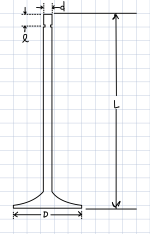
Intake Valve: p/n 14711-356-000
  • d = 5.5 mm
  • D = 30 mm
  • l = 6 mm
  • L = 93.4 mm
Exhaust Valve: p/n 14721-356-000
  • d = 5.5 mm
  • D = 26.7 mm
  • l = 6 mm
  • L = 92.9 mm
valve.png
 
I've been reading about the addition of a compression release to the XL350 and the most helpful thread so far has been on thumpertalk, where someone references a thread on xlboard that I haven't been able to locate/access. The following picture is borrowed from the thumper talk thread.

100_5890.JPG.104c7e230f7368a8a79db196f3dc95d5.jpeg

From the picture, I would estimate that the compression release is threaded straight down into the head, but it isn't clear to me whether or not this could reach the compression chamber. If not, I guess there would need to be a cross-drilled hole on the inside. I'm curious to know how others will interpret this picture.

I will add pictures of the cylinder head later and try to take measurements as needed.
 
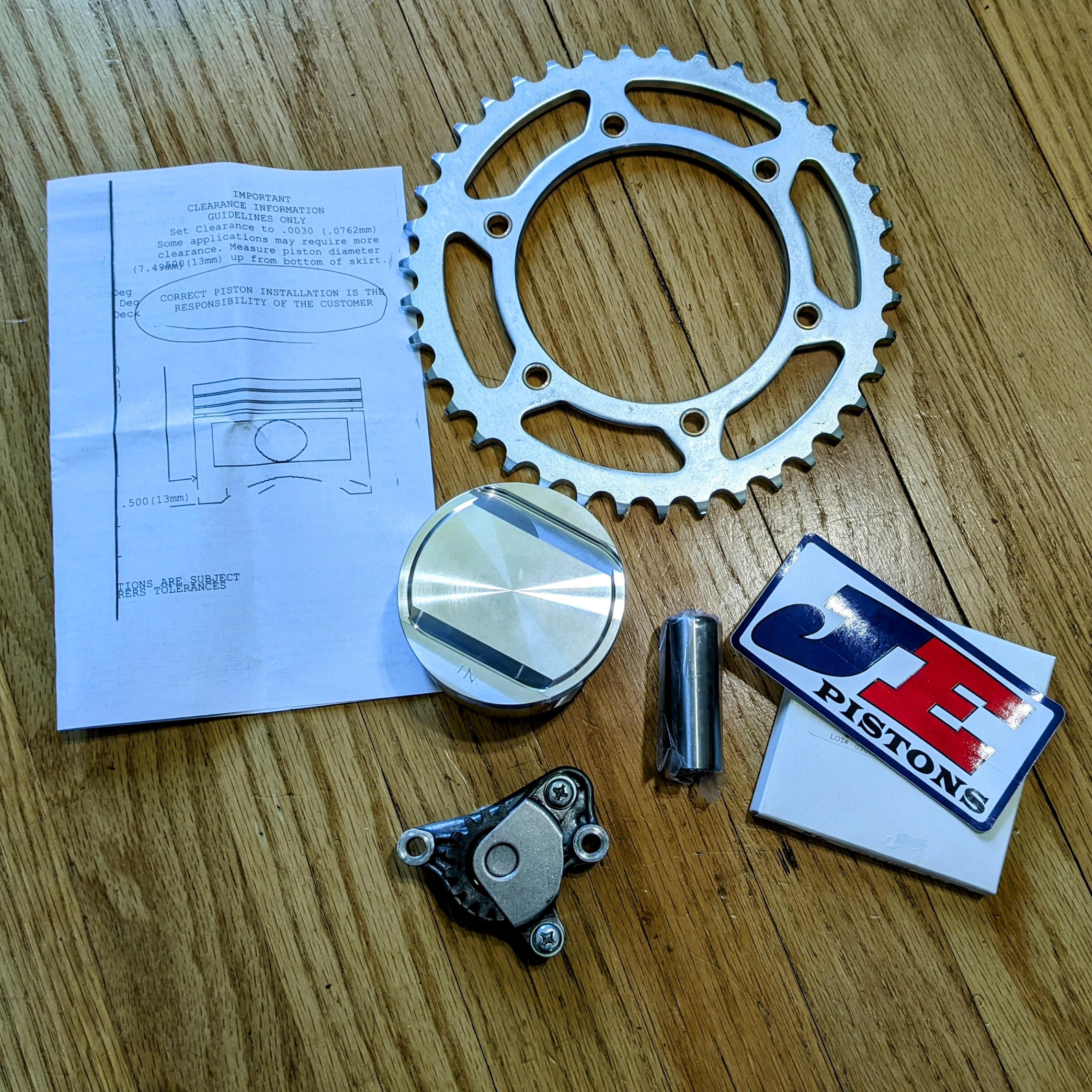
I received parts from XLint yesterday. I was happy to see that the piston kit came with clearance information that I can share with the machinist.

Fcfsk25.jpg


I also ordered a cylinder in better shape than the one showed previously. I'll wait until I have both to bring to the machine shop on the off chance that the rougher one can still be used with this kit.
 
I received parts from XLint yesterday. I was happy to see that the piston kit came with clearance information that I can share with the machinist.

Fcfsk25.jpg


I also ordered a cylinder in better shape than the one showed previously. I'll wait until I have both to bring to the machine shop on the off chance that the rougher one can still be used with this kit.
The piston is a good upgrade.
I see now why having the compression release is necessary.

Is that a high-volume oil pump ?
 
Last edited:
I suppose it would work, though I'm just an old-school wire brush guy myself. I don't suppose the tumbling action would be violent enough to possibly bend one.
 
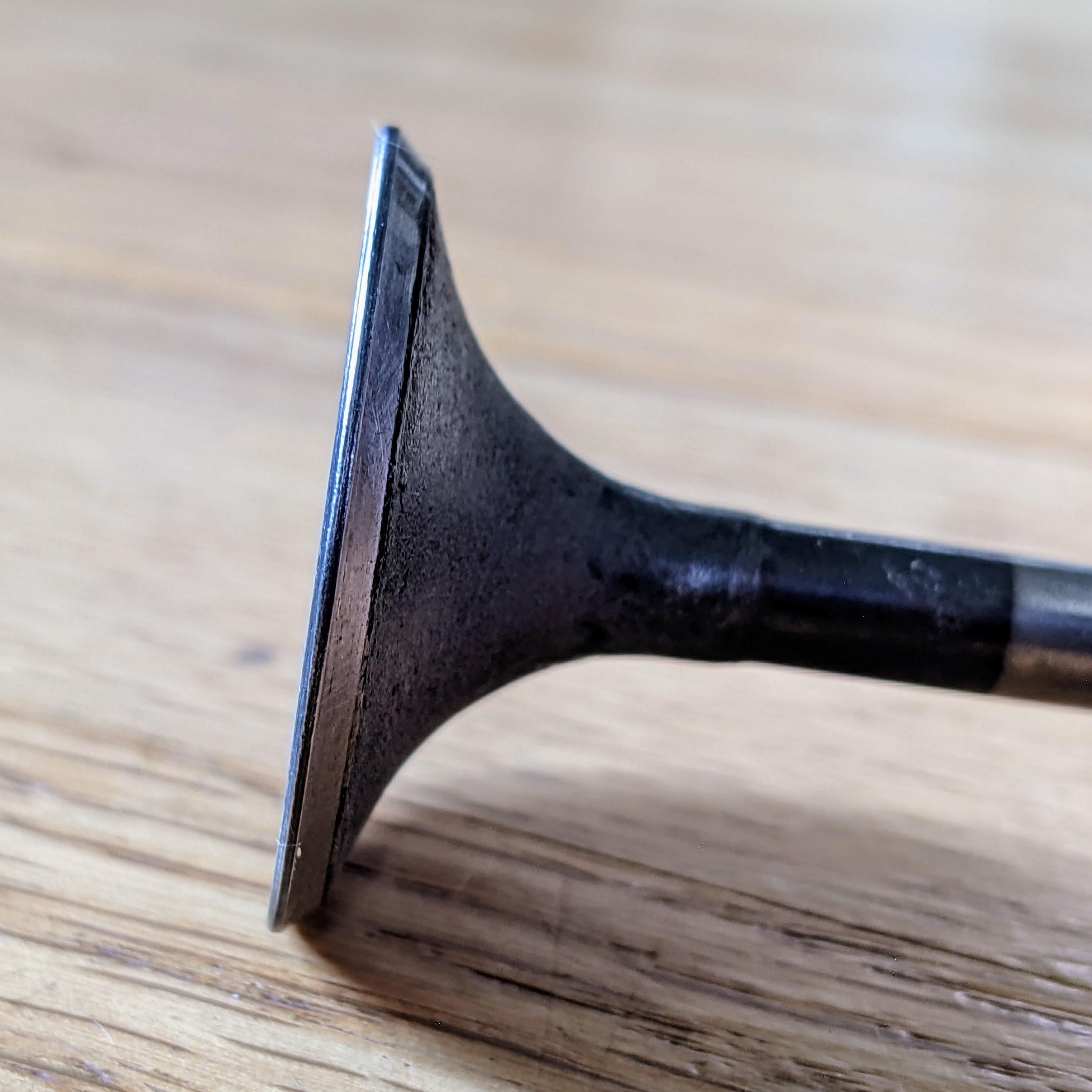
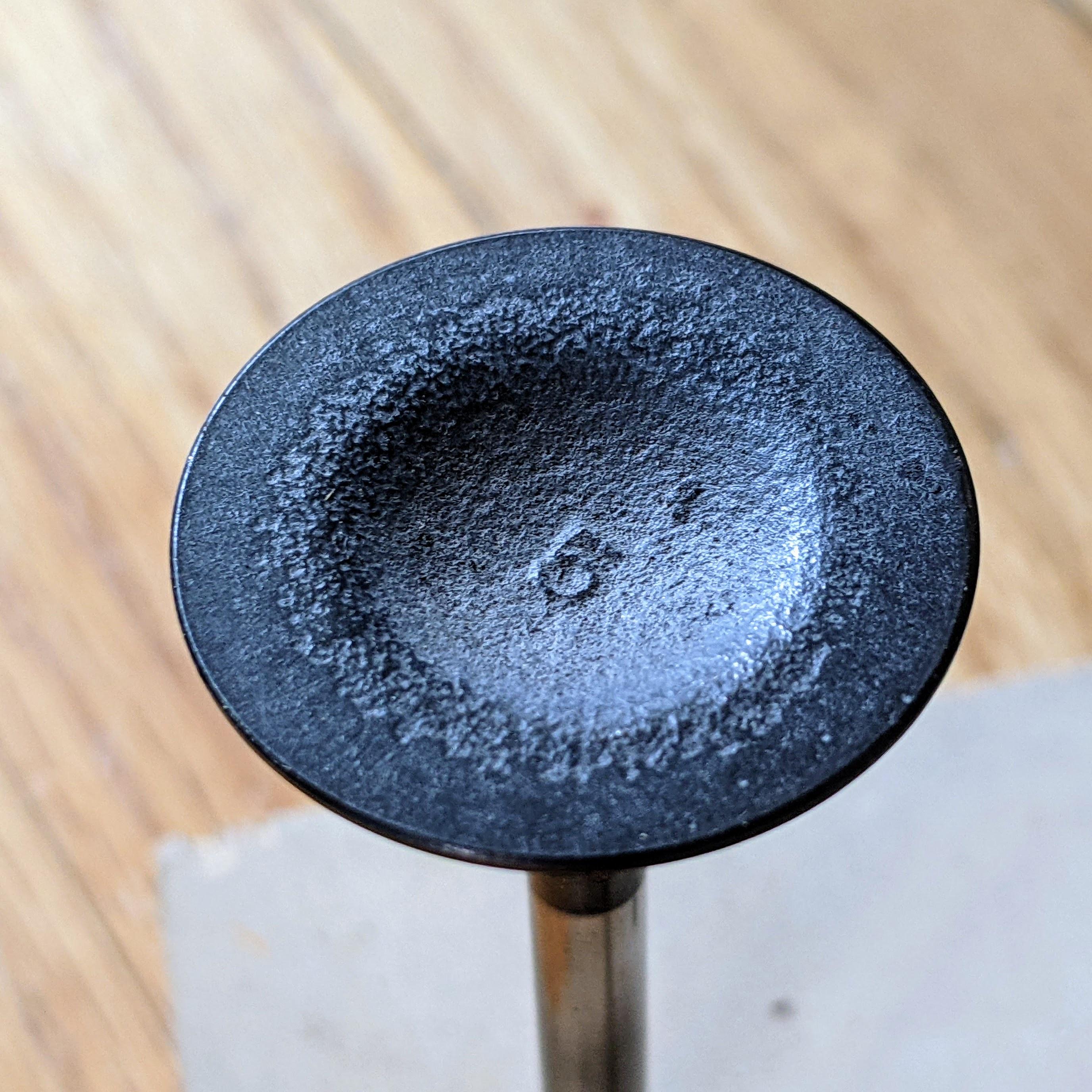
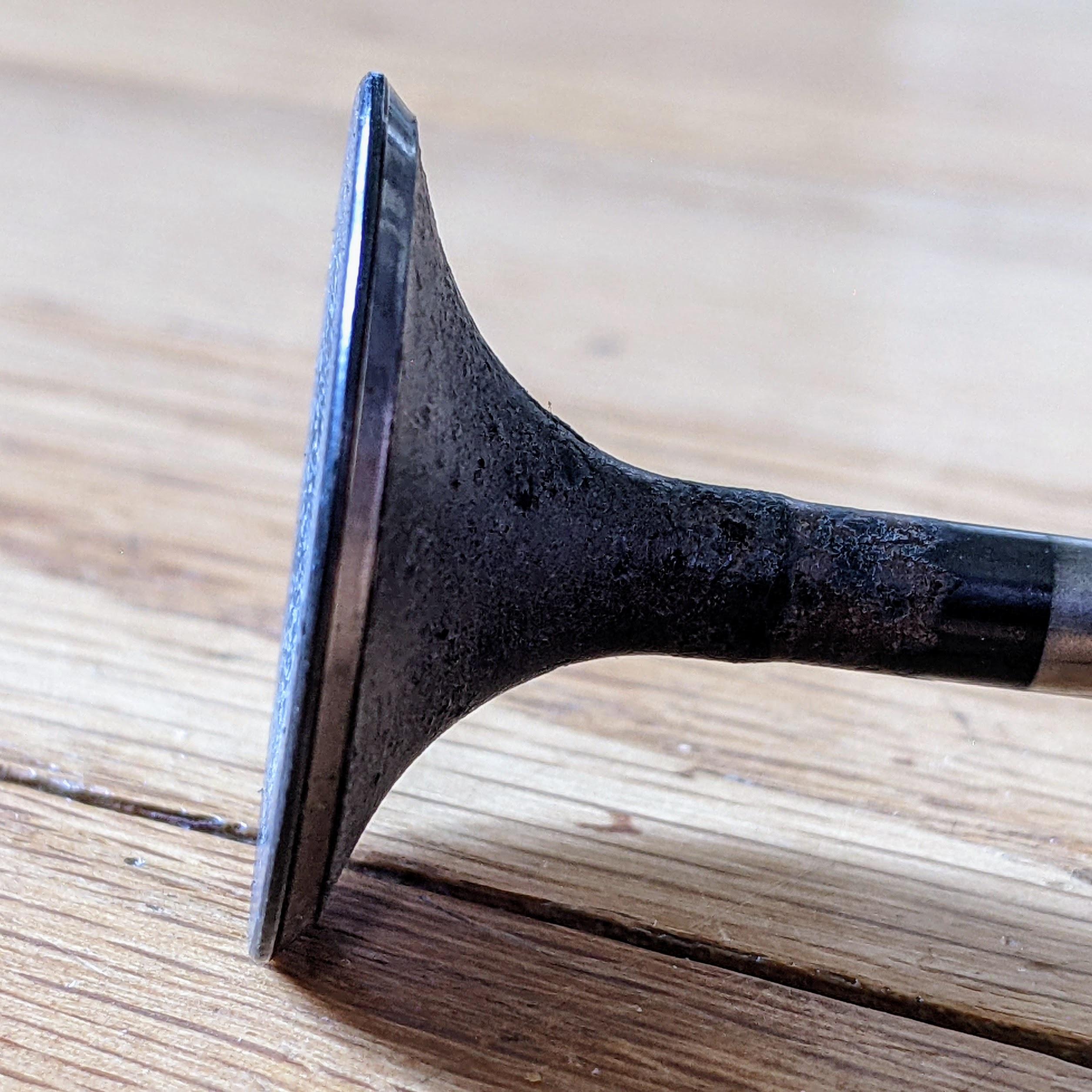
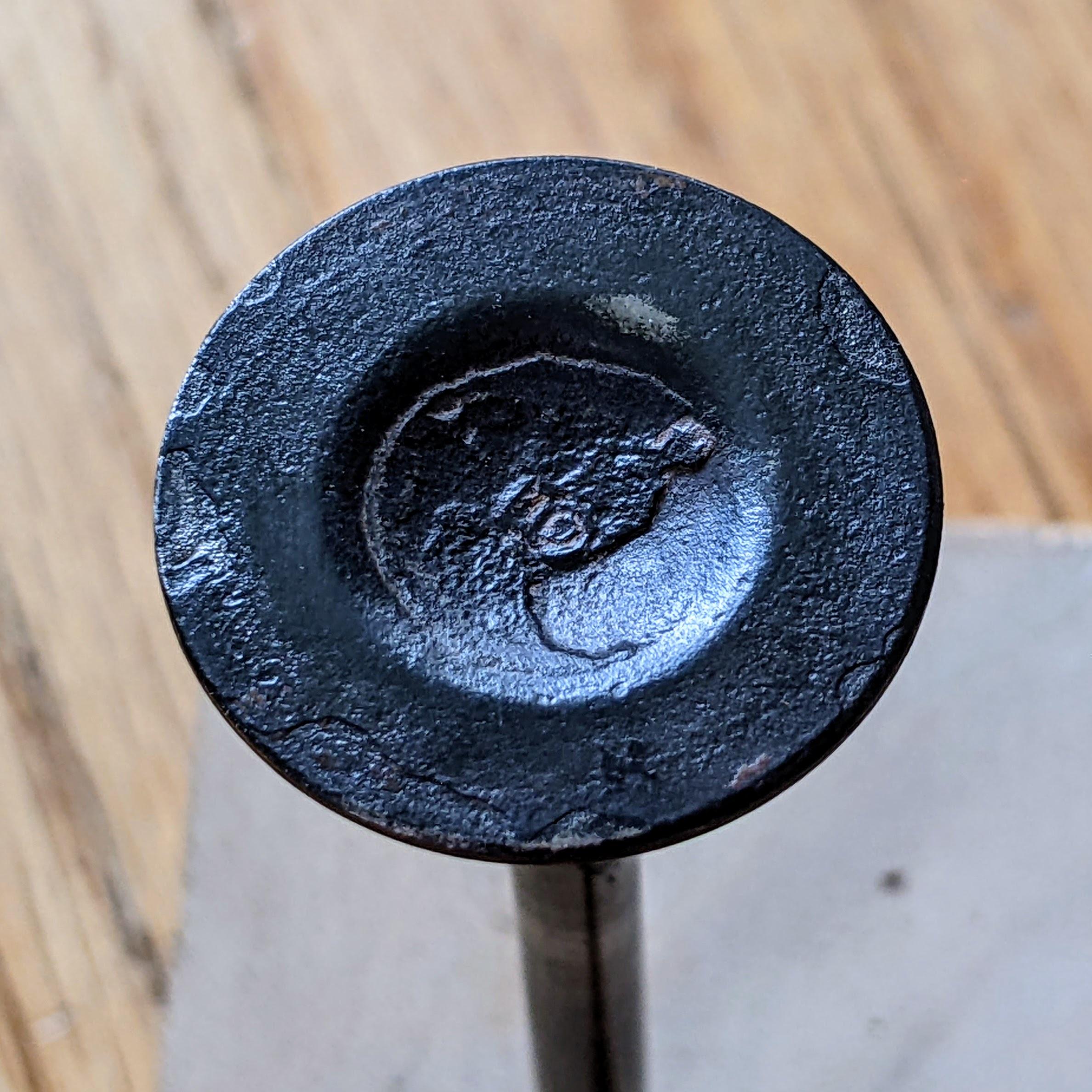
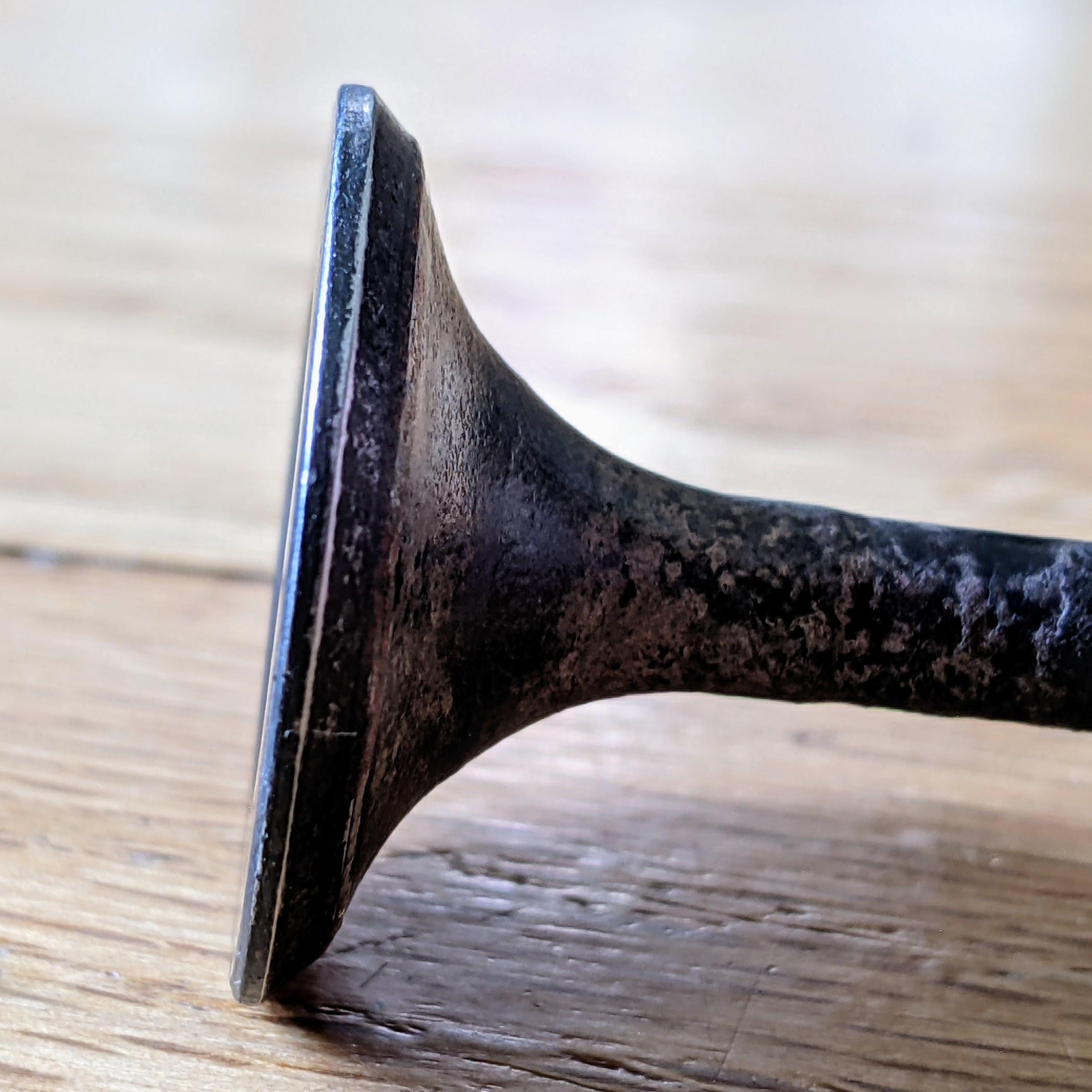
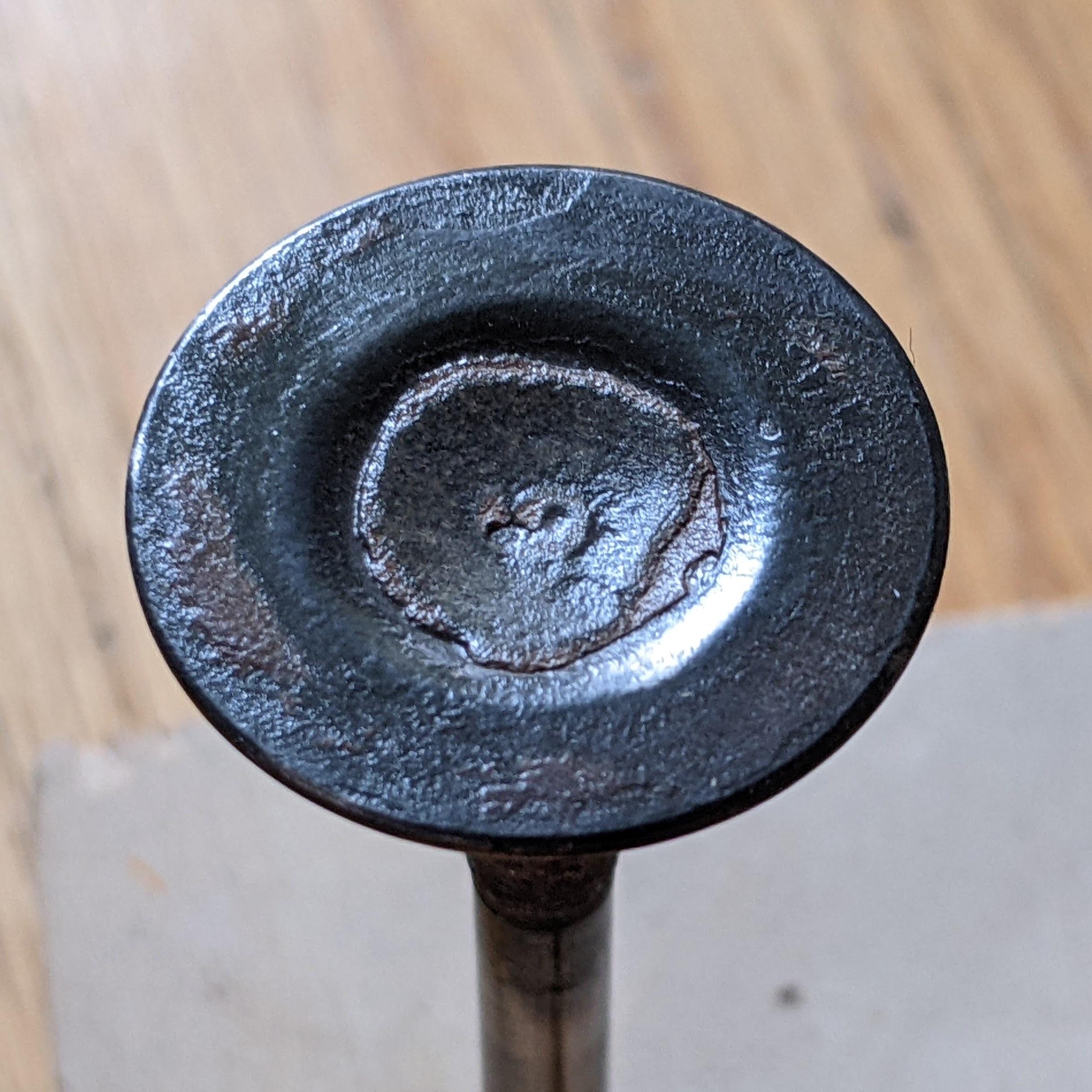
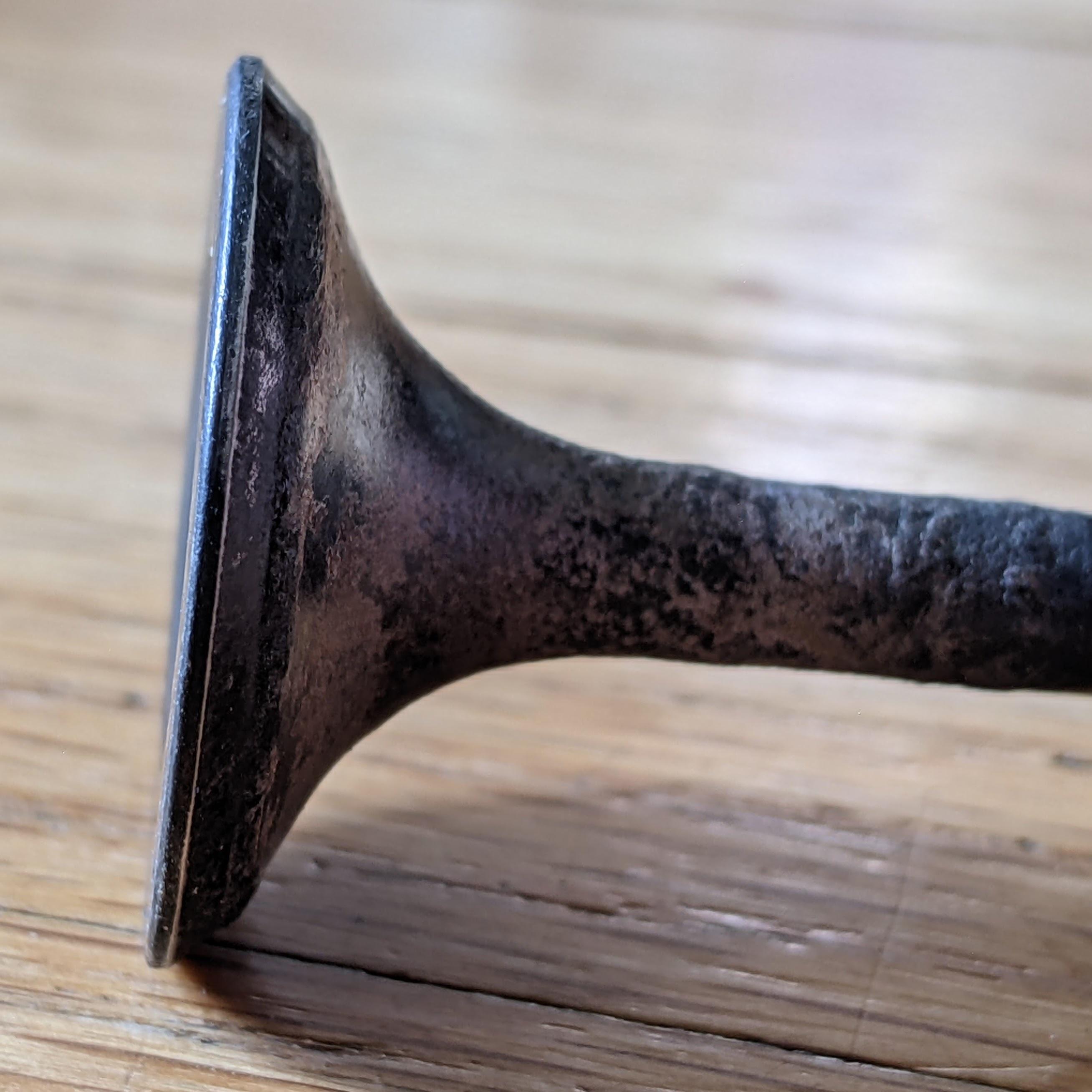
I soaked the valves in gasoline for a few days and got a bit more stuff off, but they still need some additional cleaning. Hopefully these photos will provide a sense of whether or not these valves can be used. My goal is to show the face and profile for evaluation. The intake valves seem a bit thin at the edge compared to the exhaust valves, but I don't have a lot of experience judging the condition of used valves. Maybe that's a difference in the design of intake and exhaust valves? Is all of the junk in the center of the exhaust valve faces just caked on carbon[ite]? How did they get Han Solo out of that stuff?

Intake #1
lYswrFi.jpg
WgOxZeu.jpg


Intake #2
AjuTgPY.jpg
kW9kiRP.jpg


Exhaust #1
TrNkoNC.jpg
dh4CzII.jpg


Exhaust #2
VzhtNoZ.jpg
tHKmPI4.jpg
 
I soaked the valves in gasoline for a few days and got a bit more stuff off, but they still need some additional cleaning. Hopefully these photos will provide a sense of whether or not these valves can be used. My goal is to show the face and profile for evaluation. The intake valves seem a bit thin at the edge compared to the exhaust valves, but I don't have a lot of experience judging the condition of used valves. Maybe that's a difference in the design of intake and exhaust valves? Is all of the junk in the center of the exhaust valve faces just caked on carbon[ite]? How did they get Han Solo out of that stuff?

Intake #1
lYswrFi.jpg
WgOxZeu.jpg


Intake #2
AjuTgPY.jpg
kW9kiRP.jpg


Exhaust #1
TrNkoNC.jpg
dh4CzII.jpg


Exhaust #2
VzhtNoZ.jpg
tHKmPI4.jpg
Brody,do you have a good machinist you can trust;why not bring it to him?
They'll glass bead the valves,seats and combustion chamber and will have a good,experienced eye to notice the wear on your valves & seats.
 
Brody,do you have a good machinist you can trust;why not bring it to him?
They'll glass bead the valves,seats and combustion chamber and will have a good,experienced eye to notice the wear on your valves & seats.
Thanks, Bill, that's a good suggestion. One of my goals is to keep learning new things through my work on the bikes. If I could rebuild the head on my own that would be ideal, but I'll be content to bring it to the shop with the cylinder and piston kit. I'm using a local independent moto shop with an experienced owner who is nearing retirement. I definitely trust him.
 
Thanks, Bill, that's a good suggestion. One of my goals is to keep learning new things through my work on the bikes. If I could rebuild the head on my own that would be ideal, but I'll be content to bring it to the shop with the cylinder and piston kit. I'm using a local independent moto shop with an experienced owner who is nearing retirement. I definitely trust him.
:) Hi Brody
I only mentioned it because those guys see So many different cylinder heads,valves,etc.
I'm sure they would be able to give you a diagnosis in short order;also they have all the tools to cut fresh surfaces into your valve seats and any other thing you need.
Does your XL350 have valve guide seals on all four valves ?
I'm glad you know of a good machinist;it took me a few decades to finally locate a machinist I can trust. (y)
 
Thanks, Bill, that's a good suggestion. One of my goals is to keep learning new things through my work on the bikes. If I could rebuild the head on my own that would be ideal, but I'll be content to bring it to the shop with the cylinder and piston kit. I'm using a local independent moto shop with an experienced owner who is nearing retirement. I definitely trust him.
I always do my own de-carbonizing (ports too), but if he has a serdi seat tool and promises to not face new valves, that's cool. I like to block sand my head and cylinder top too, if only to see if it needs a resurface. Satisfies my curiosity and learning jones, plus saves some labor costs maybe.

How many miles again? You gonna vapor or media blast?
 
Does your XL350 have valve guide seals on all four valves ?
I believe there is an o-ring on each valve guide. Seal on each stem.

The owner is really friendly with me and if he has time he'll explain things to me. I'm waiting on one part and then I'll bring stuff in and see what he thinks. I hope he can do the compression release as well.

How many miles again? You gonna vapor or media blast?

Just rolled 11,000 miles if the odometer is to be trusted. I got it with 9,500. I think the owner before the previous one had worked on it a lot. He gave the PO a spare bottom end that came to me when I bought it. The head I took apart was on it originally and it's got at least two helicoils in it and one of the exhaust studs was replaced with a non-metric variety.

The shop seems to prefer vapor blasting, but we'll see. My air compressor is underpowered and I only use baking soda and only outside, because I don't have a cabinet. I don't think I could get that carbon off with what I've got.
 
I believe there is an o-ring on each valve guide. Seal on each stem.

The owner is really friendly with me and if he has time he'll explain things to me. I'm waiting on one part and then I'll bring stuff in and see what he thinks. I hope he can do the compression release as well.


Just rolled 11,000 miles if the odometer is to be trusted. I got it with 9,500. I think the owner before the previous one had worked on it a lot. He gave the PO a spare bottom end that came to me when I bought it. The head I took apart was on it originally and it's got at least two helicoils in it and one of the exhaust studs was replaced with a non-metric variety.

The shop seems to prefer vapor blasting, but we'll see. My air compressor is underpowered and I only use baking soda and only outside, because I don't have a cabinet. I don't think I could get that carbon off with what I've got.
To me, blasting is just big bucks make it pretty outside. I do all the carbon with a variety of steel brushes. I know you like the learning, like me, but experienced eyes for this one that has a few chapters in it's story, may be a good move.
 
1st intake needs replacement, edge too thin
2nd intake is marginal
Both exhaust look good.
Thanks, Jim. I found two new intake valves on eBay and the seller accepted $15 below asking price on each valve. I'll choose to look at it as saving $30.

Now waiting on three parts (exhaust stud + valves), but hopefully I'll be able to deliver everything the machinist needs to do the work.
 
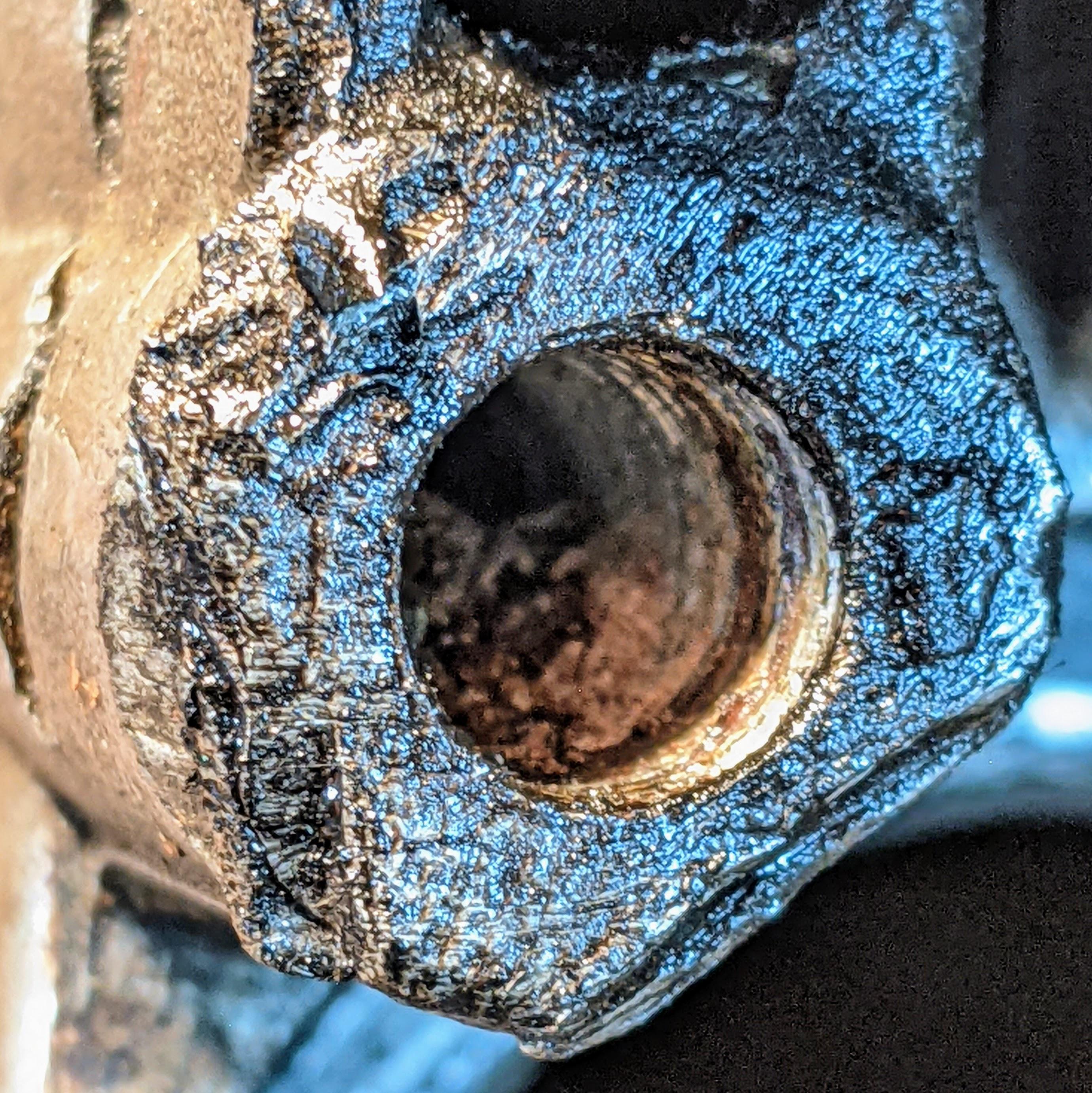
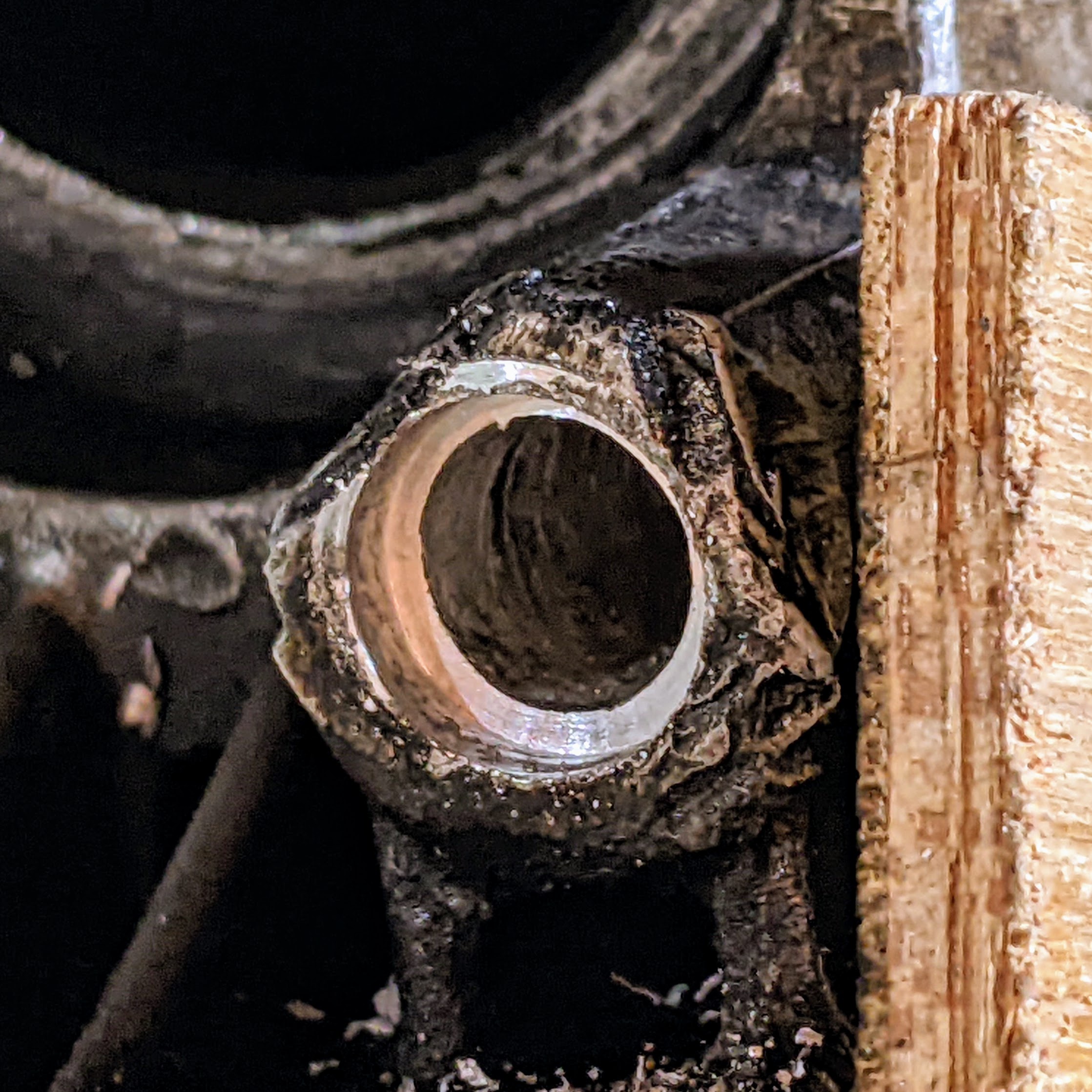
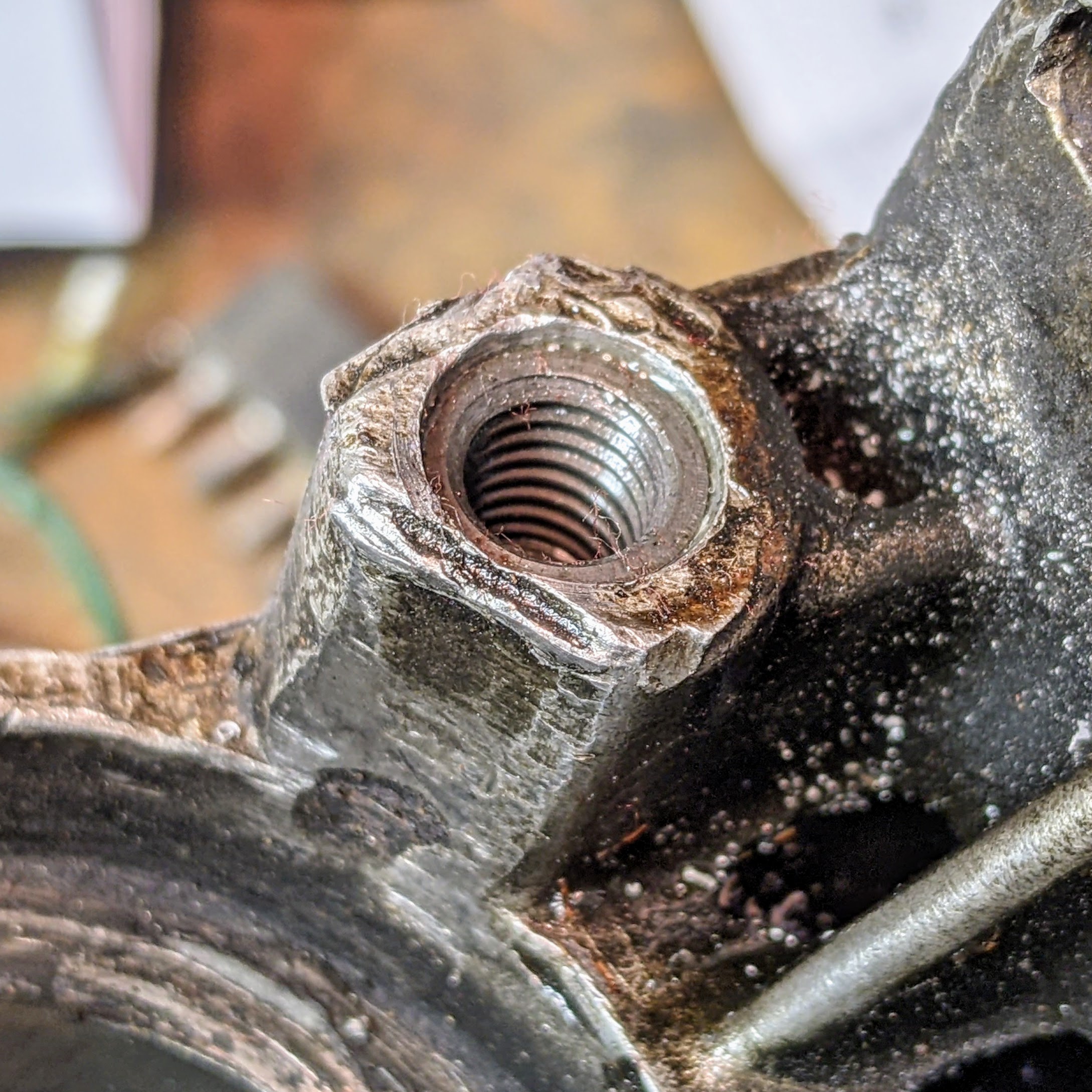
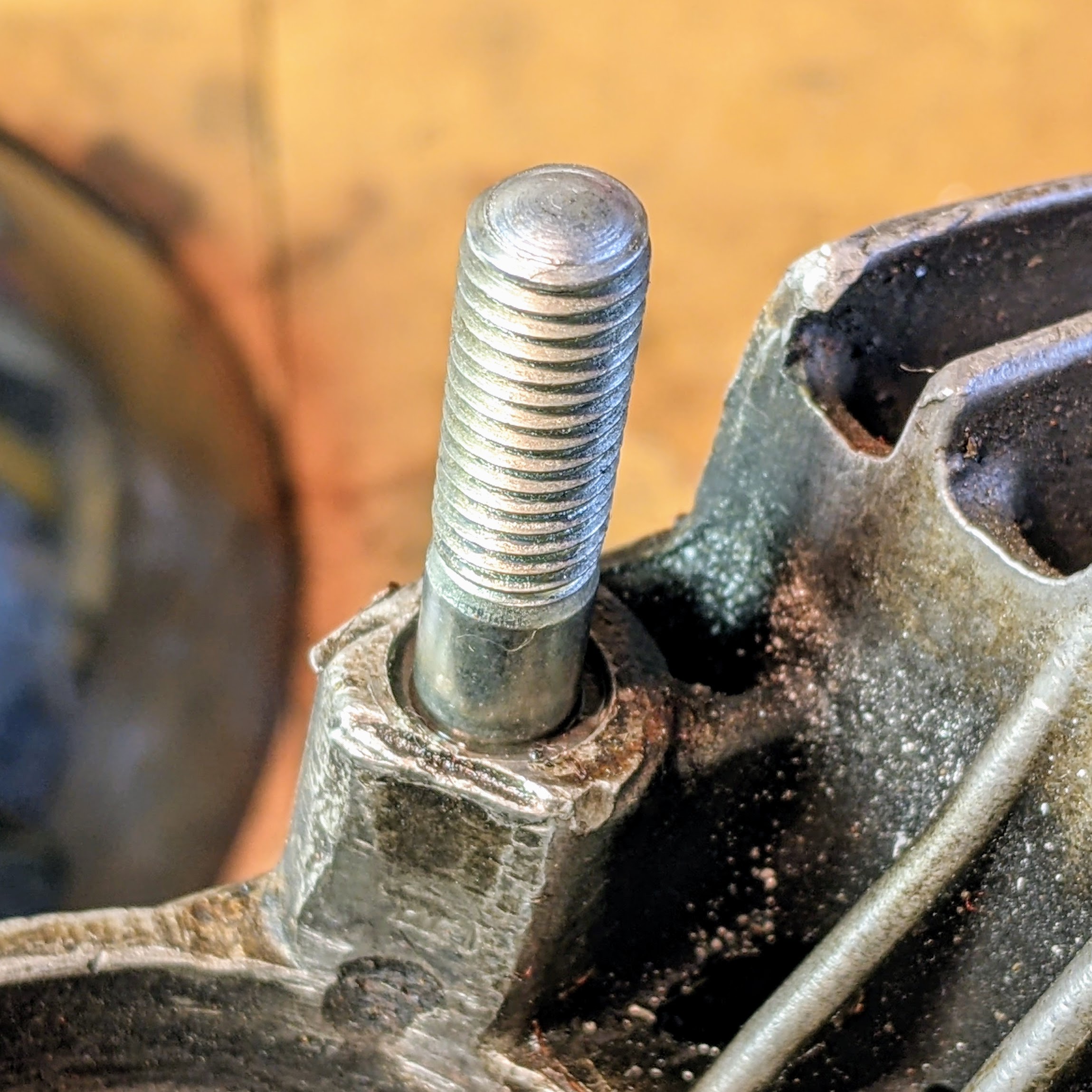
One of the 8mm exhaust studs on the spare head was replaced by a PO with an SAE 5/16" x 18 stud. I removed it today and found that the threaded hole is now more of an unthreaded hole. I'm glad they didn't use a larger size (5/16" equates to 7.9375 mm) , since this maximizes remaining material, but my guess is that it only held up as long as it did because it chewed up all the threads going in and all of that material was holding it in place. I am leaning towards a time-sert for the repair.

UfbVdxa.jpg


7yyl9xG.jpg
 
One of the 8mm exhaust studs on the spare head was replaced by a PO with an SAE 5/16" x 18 stud. I removed it today and found that the threaded hole is now more of an unthreaded hole. I'm glad they didn't use a larger size (5/16" equates to 7.9375 mm) , since this maximizes remaining material, but my guess is that it only held up as long as it did because it chewed up all the threads going in and all of that material was holding it in place. I am leaning towards a time-sert for the repair.

UfbVdxa.jpg


7yyl9xG.jpg
Brody,I had some like that on a couple cylinder heads for my 200cc Honda which you've seen pics of.
The one I have still has threads but had cracked,so I took it to a local shop where a guy is a tig welder;he tig welded the aluminum and sealed-up the cracks,I then replaced the 6mm stud after his work & it's been solid ever since.
I think a tig welder can also prep that hole and fill it around the areas that used to have threads with aluminum weld,then you can cut new threads with a tap.
I like the idea of a Timesert/insert,as long as it can stay in there w/ all the heating and cooling cycles..
 
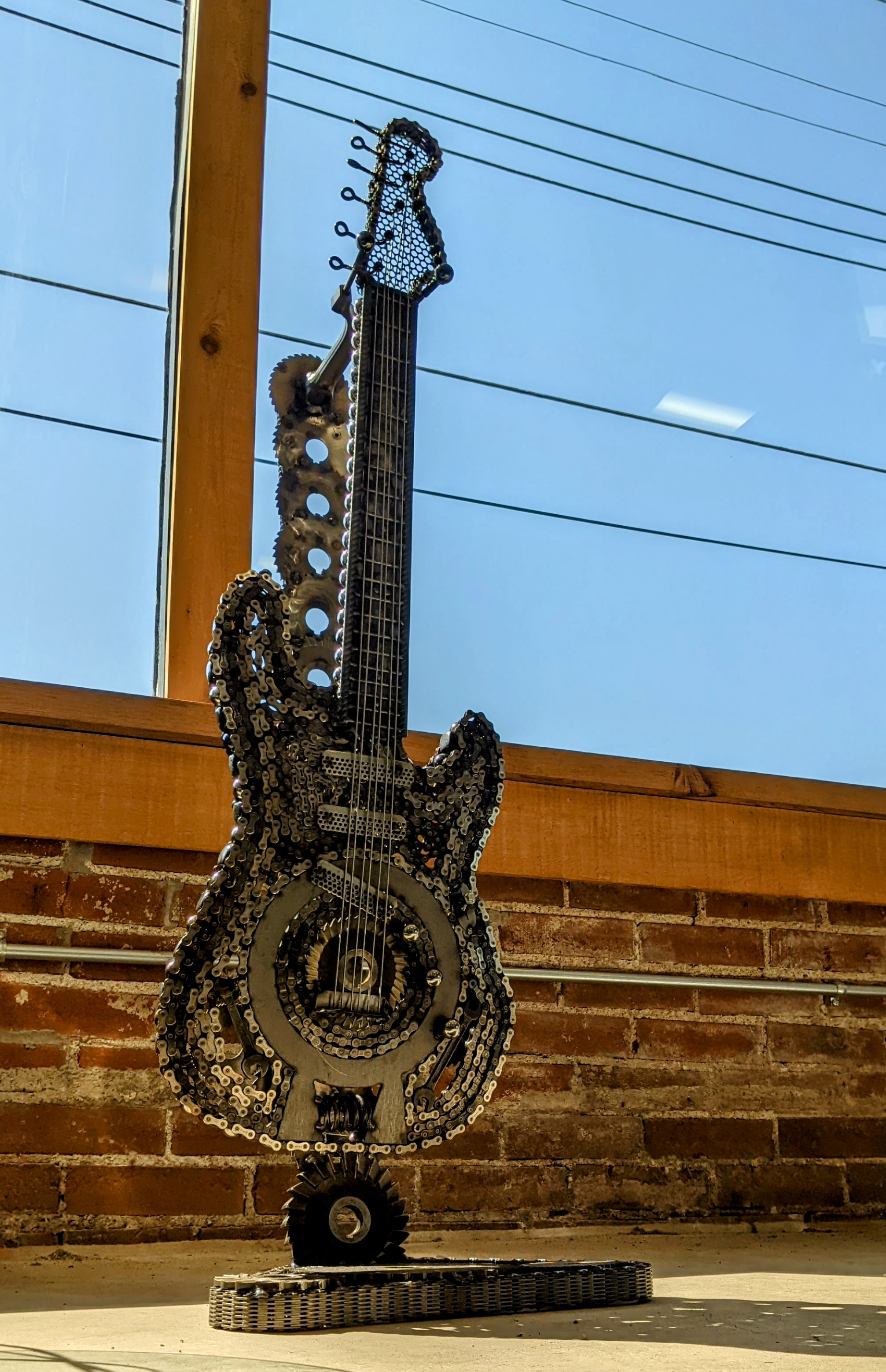
I dropped off the two cylinders and the piston kit with my go-to machinist, who runs an independent motorcycle shop not far from my house. He is a talented welder and I snapped a picture of one of his more recent pieces. (He also plays guitar.)

lKxBqEZ.jpg


He's going to check out both cylinders, but agreed with the popular opinion here that the first cylinder I bought is probably not in good enough shape for the +0.5mm kit.
 
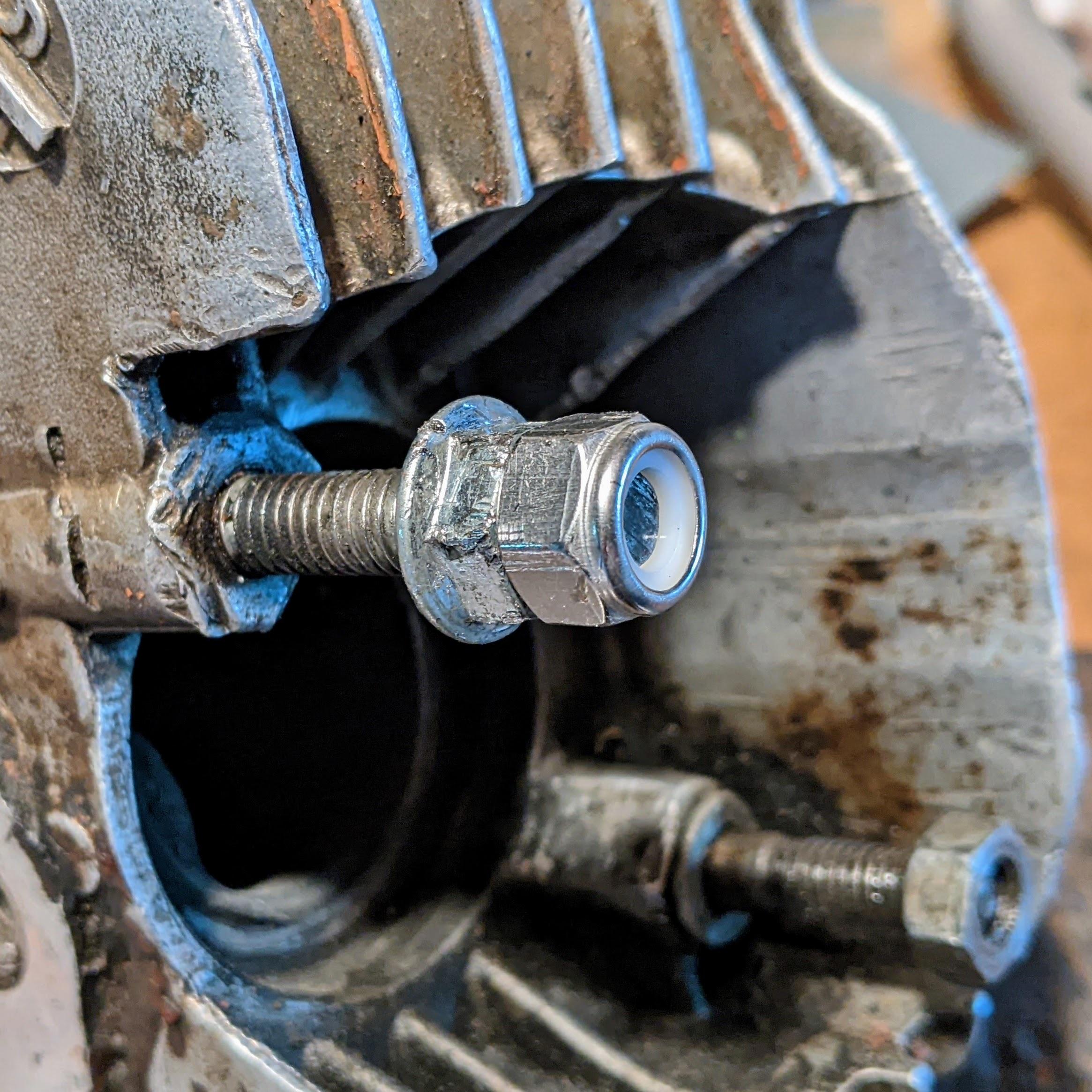
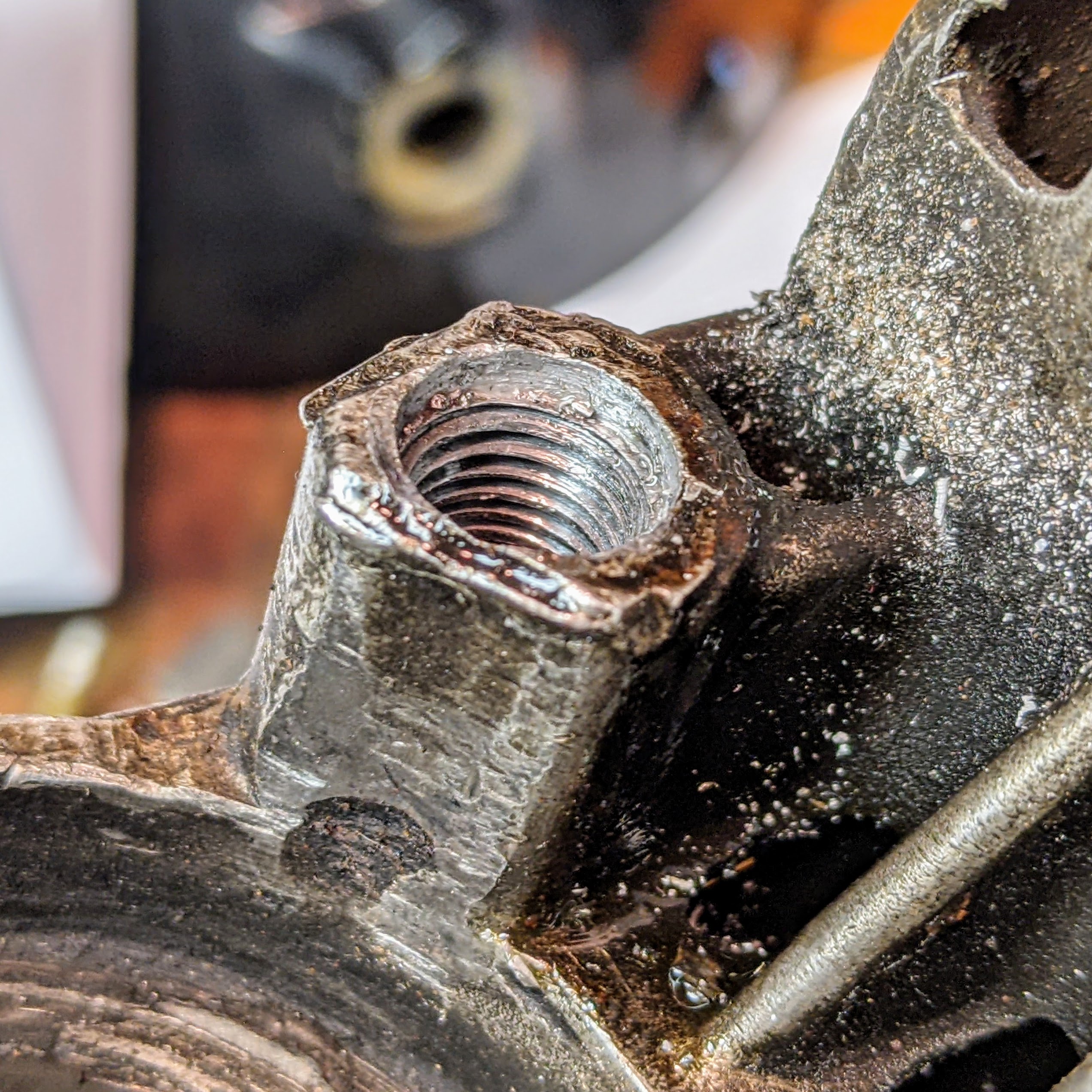
I installed the time-sert for the damaged exhaust stud on the cylinder head this morning. It seemed to go pretty well. The kit is kind of expensive, but included a drill bit to clean out what was left of the old threads, a countersink bit to put a recess for the top of the time-sert, a tap to create the new threads for the time-sert, and a driver to install and secure the bottom threads of the time-sert. I followed the included instructions, paying special attention to the details for a blind hole. I'll include some pictures taken along the way.


03qmKsH.jpg


DQnDuWh.jpg


zOQpGDI.jpg


L1GINMq.jpg
 
Last edited:
I installed the time-sert for the damaged exhaust stud on the cylinder head this morning. It seemed to go pretty well. The kit is kind of expensive, but included a drill bit to clean out what was left of the old threads, a countersink bit to put a recess for the top of the time-sert, a tap to create the new threads for the time-sert, and a driver to install and secure the bottom threads of the time-sert. I followed the included instructions, paying special attention to the details for a blind hole. I'll include some pictures taken along the way.

03qmKsH.jpg


DQnDuWh.jpg


zOQpGDI.jpg


L1GINMq.jpg
Very nice repair.
 
I owned a 76 C&J frame XL350 for 19 years. It was 403cc when I bought it. After a few years passed I bought a bigger piston and had it bored to 412cc. Eventually it became 440cc by using a stroked crankshaft and a shortened connecting rod.
I did everything on that bike. Used it as a commuter, competed in desert races and road racing. I also rode it to the Brooks Range in Alaska from Vancouver, BC. (and back) by myself in 1981. Wish I still had it!
6136073233_41c8853a69_o.jpg5811836328_0b62e2e774_c.jpg5560764507_95a1a2c072_c.jpg5601658351_464bf79ddb_c.jpg
 
I owned a 76 C&J frame XL350 for 19 years.
Thanks for sharing! Four pictures and three completely different configurations! I was a little kid when these were produced, so I actually first Heard about the XL bikes by looking at various Hondas on the website motorera — I wanted an XL350 as soon as I saw it and found one about four hours away within a month.

So many cool things on display in those pictures, but what fenders are shown in the second photo? They both appear to be metal, which would be nice.

I was planning to go to 412cc this summer, but Dave at XLint talked me down to the high compression piston kit, since I'm just a street rider. Gathering parts for that now. I would guess you've crossed paths with Dave?
 
Back
Top Bottom