
wentwest
Veteran Member
At some point I would think the powder-coating will conceal the very fine scratches.


Also, I received an email notification of your reply in Gmail for this post. First one since the blackout!
...but I didn't want it to look like I was frequently riding the motorcycle on its side.
I hope that a flat black will minimize the visibility of these imperfections.

To get a sense of how powder coat might cover scratches you could spray them with a coat of flat black. The powder coater will likely sand/bead blast them so the paint shouldn't be an issue.
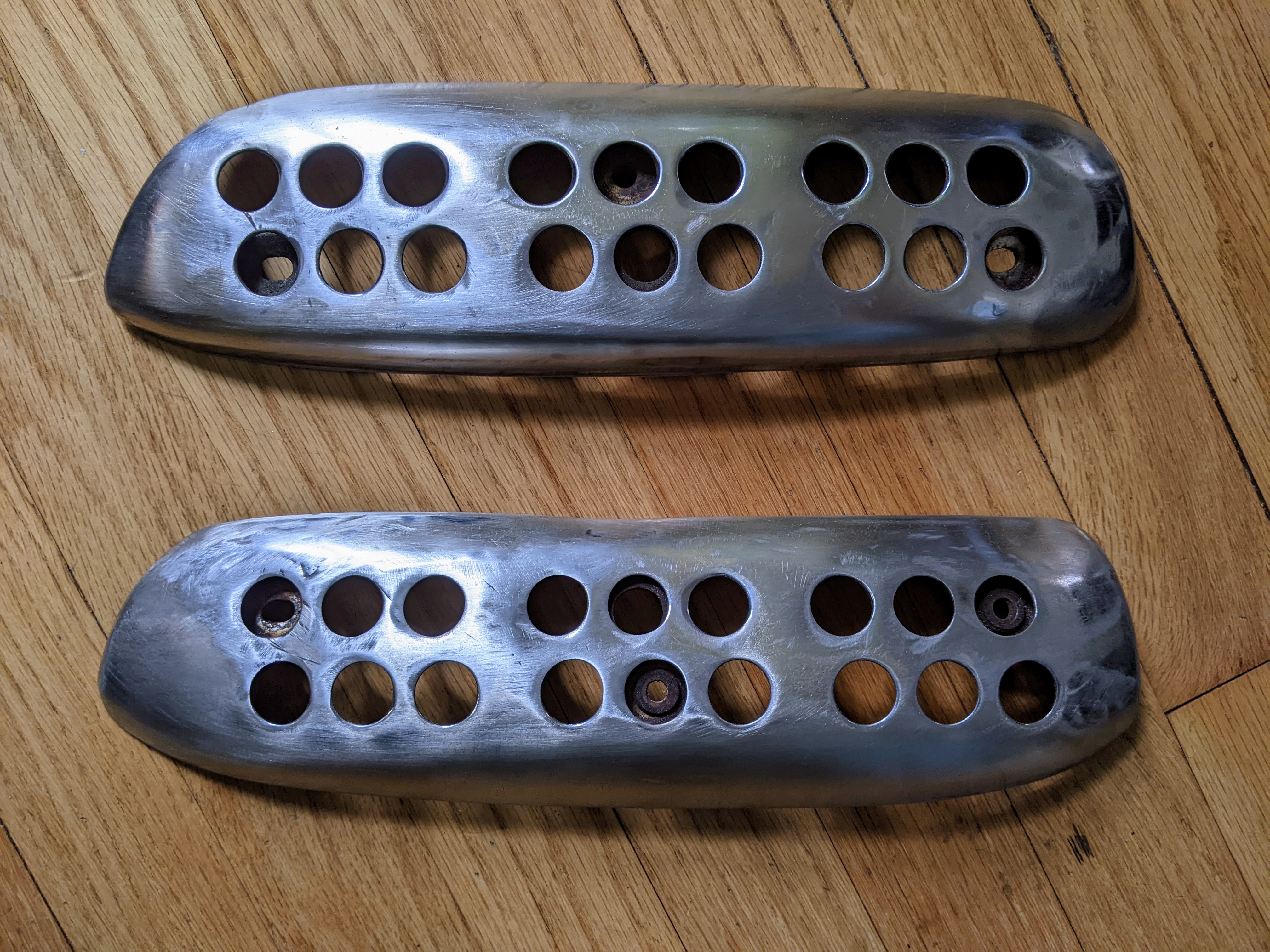

Would there be any harm in soda blasting the surface rust off clutch plates? I think I'm going to try soda blasting the outsides of the engine side covers and sprocket cover as well.
I'm pretty sure the plates won't fit in my vibratory parts polisher, but I will check.

I know you are powdercoating but while researching chrome restoration I found this video:
https://youtu.be/RU9l66_XmDk?t=245
They go after these vintage (likely irreplaceable) bumpers with a serious belt sander.
To get a sense of how powder coat might cover scratches you could spray them with a coat of flat black. The powder coater will likely sand/bead blast them so the paint shouldn't be an issue.
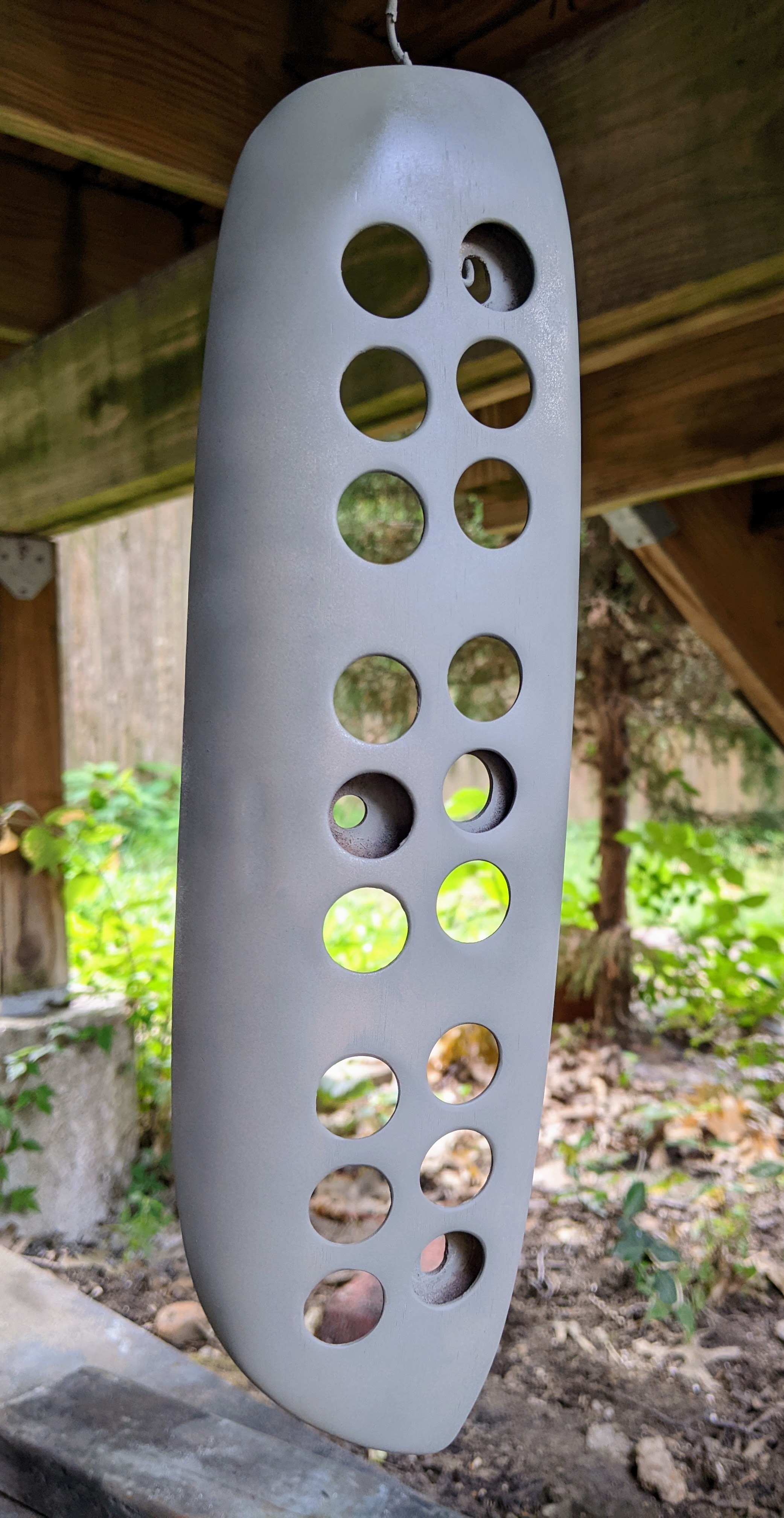
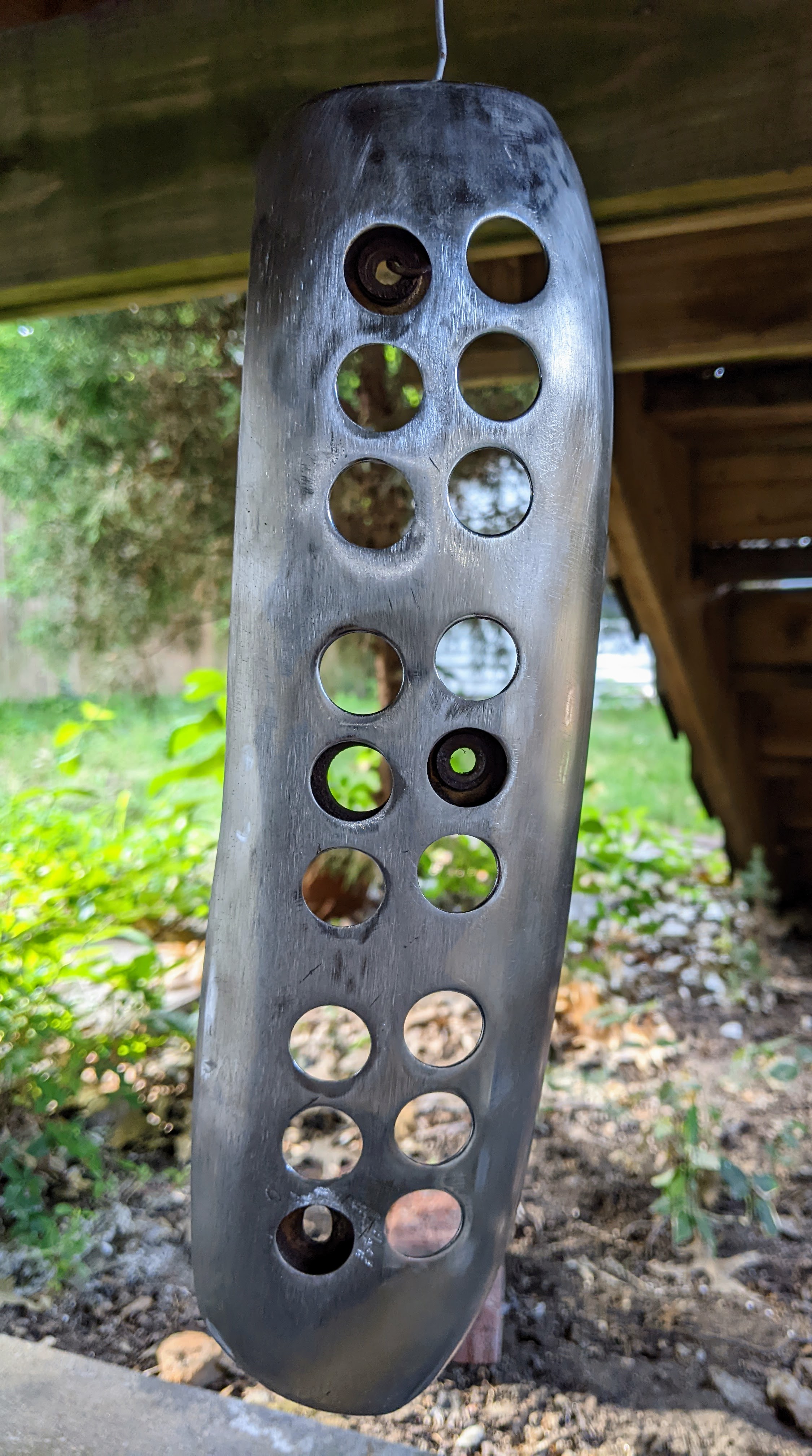
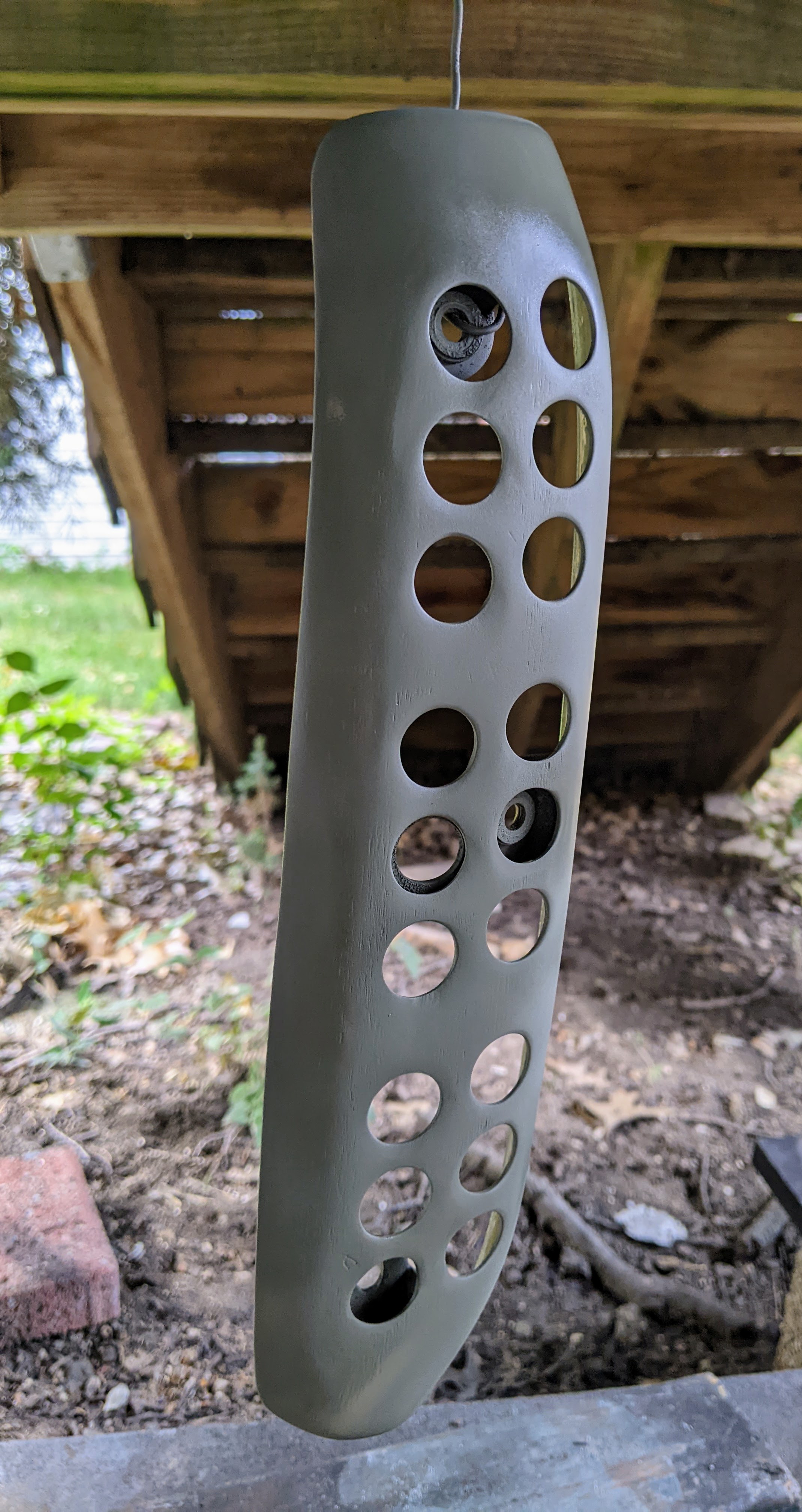
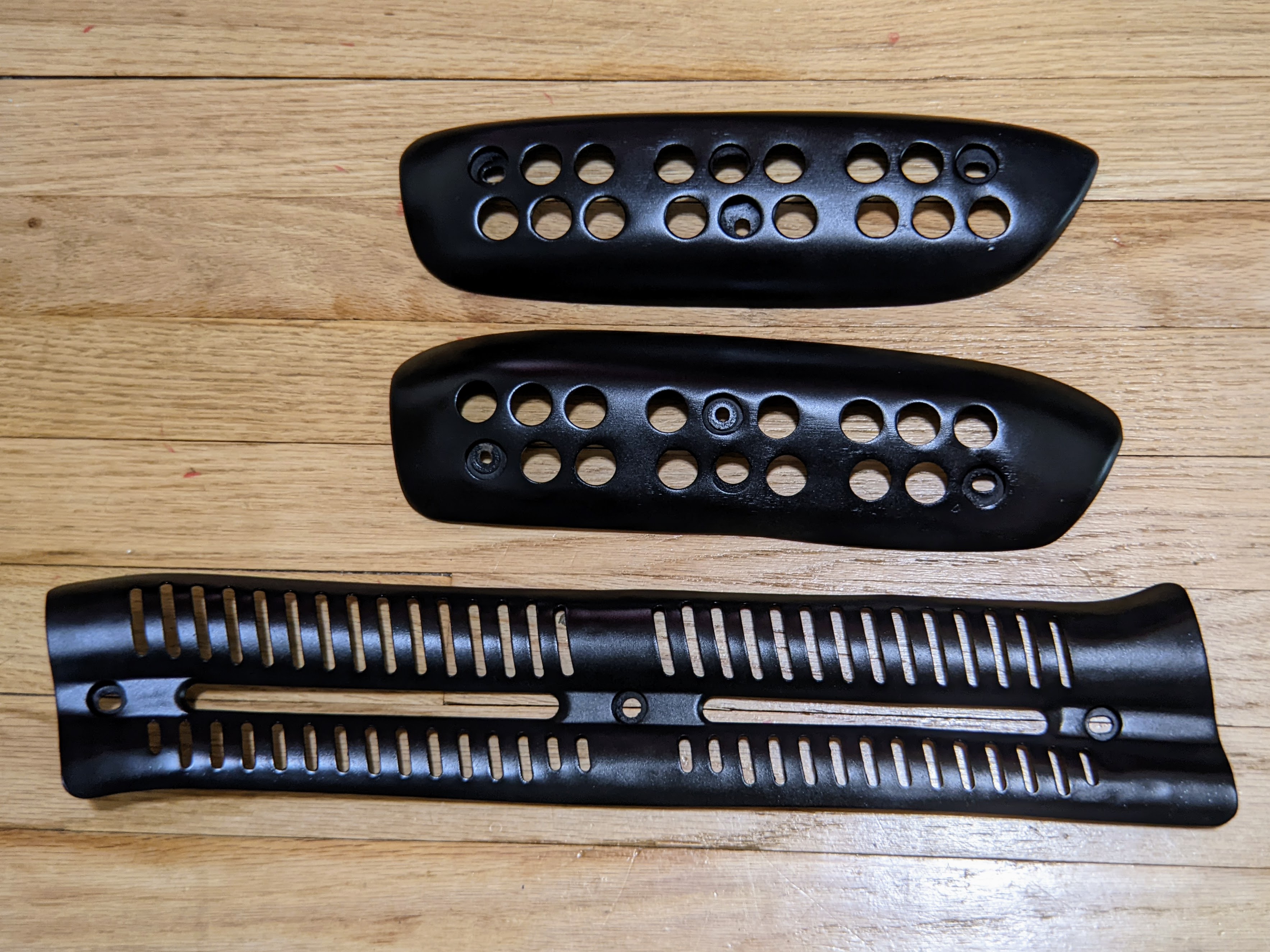


I've seen on some other threads that a 5/16" ball bearing is an acceptable replacement for the #10 steel ball that goes between the clutch lifter rod and the internal clutch lever gizmo. The sprocket cover had been removed by the PO and was dangling by the clutch cable for a couple of decades, so it's no surprise that the original ball bearing had rolled off to parts unknown.
- Is 5/16" acceptable?
- Does the #10 mean anything with respect to the size of the ball bearing? 5/16" is about 8mm, so it doesn't seem to be the diameter.
I do know 5/16" seems a popular ammo for slingshots. I got a lifetime supply bag from amazon because I thought I would need them for my 60's bikes (which they don't), so am looking forward to using one on a 350 soon.
I found a chart a long time ago with ball gauge and measurements. #10 is a few thousandths different than 5/16", not enough to matter. Partzilla calls that ball a #10(5/16")I've seen on some other threads that a 5/16" ball bearing is an acceptable replacement for the #10 steel ball that goes between the clutch lifter rod and the internal clutch lever gizmo. The sprocket cover had been removed by the PO and was dangling by the clutch cable for a couple of decades, so it's no surprise that the original ball bearing had rolled off to parts unknown.
- Is 5/16" acceptable?
- Does the #10 mean anything with respect to the size of the ball bearing? 5/16" is about 8mm, so it doesn't seem to be the diameter.
Do you have a part number from the fiche?
The only thing I can think of is numbered drills but a #10 drill is a tick over 3/16" which if a 5/16" is close to the right size blows that theory out the window.
Do you have a part number from the fiche?
The only thing I can think of is numbered drills but a #10 drill is a tick over 3/16" which if a 5/16" is close to the right size blows that theory out the window.
I worked with a lot of ball bearings from many countries of manufacture, in the bicycle industry, since 1970 and never encountered a numbered sizing system. It is curious and it must have meant something to someone at some point in time.
I had a plastic bag with a few extra balls left over from a redo on the top of the fork of an elderly Honda Elite 250 scooter, and when the old ball on my 450 decided to roll out of my life I plopped one in. Seems fine. A generous smear of sticky grease (also left over from the fork job) kept it in place during assembly.
I picked up a few 5/16" ball bearings this morning at HD for $2.75 each. Surprisingly, the unit price seems to be lower for the genuine Honda part, but it felt silly to order one by mail.
It's a ridiculous sign of corporate markup that you would have to pay that much for a single ball bearing locally, and even more ridiculous that it ends up being cheaper than buying a lower-priced one from a Honda parts supplier that would end up more expensive due to shipping. Which is why places like HD and Lowe's get away with it and have driven most of the hardware stores either out of business or to the same markup level.
I couldn't agree more. Seems like something that should be less than a buck.
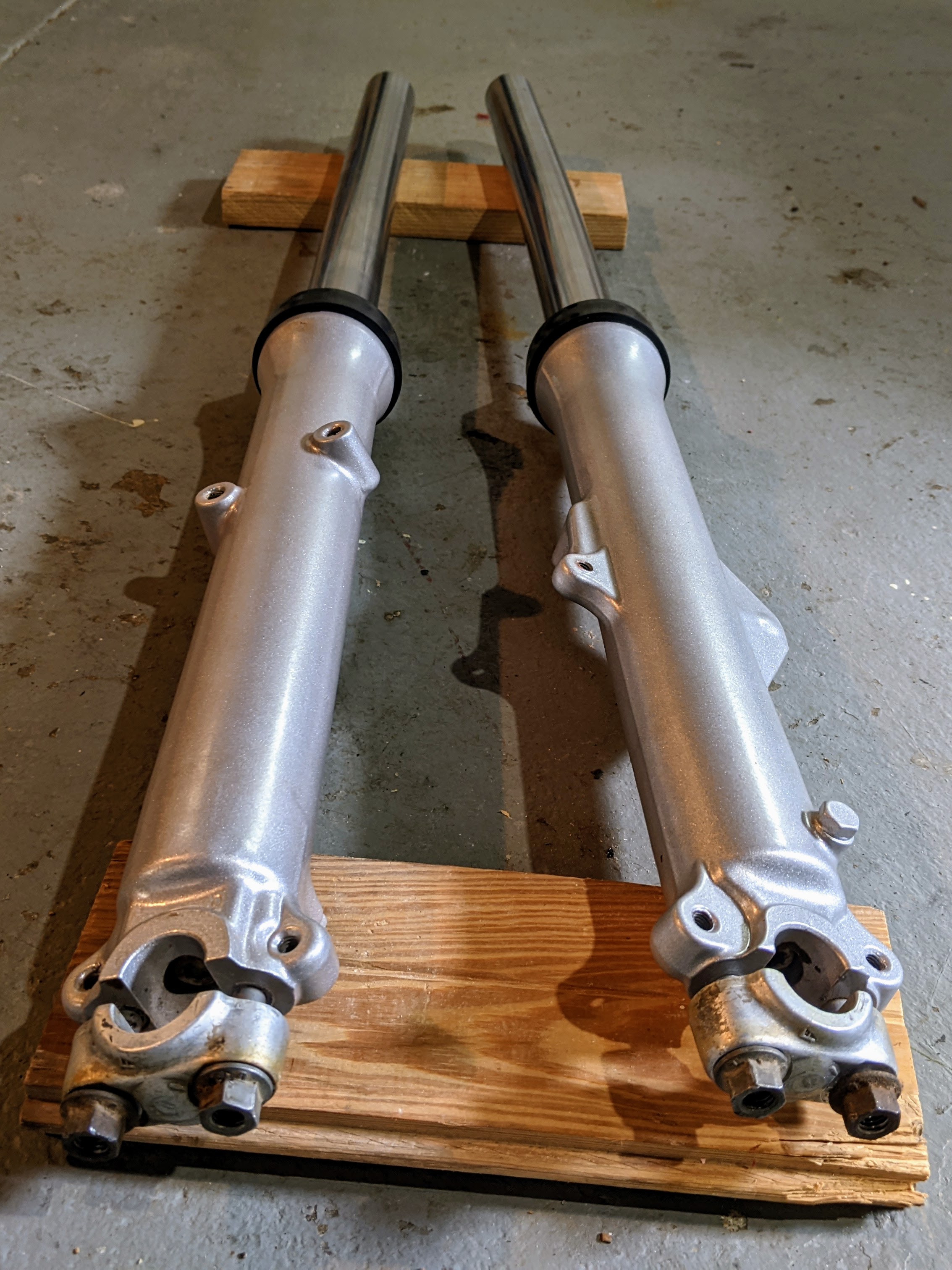
Did you try rotating the tubes in the lower legs to see if they're straight? Just a thought considering they're used and you never know what they've been through
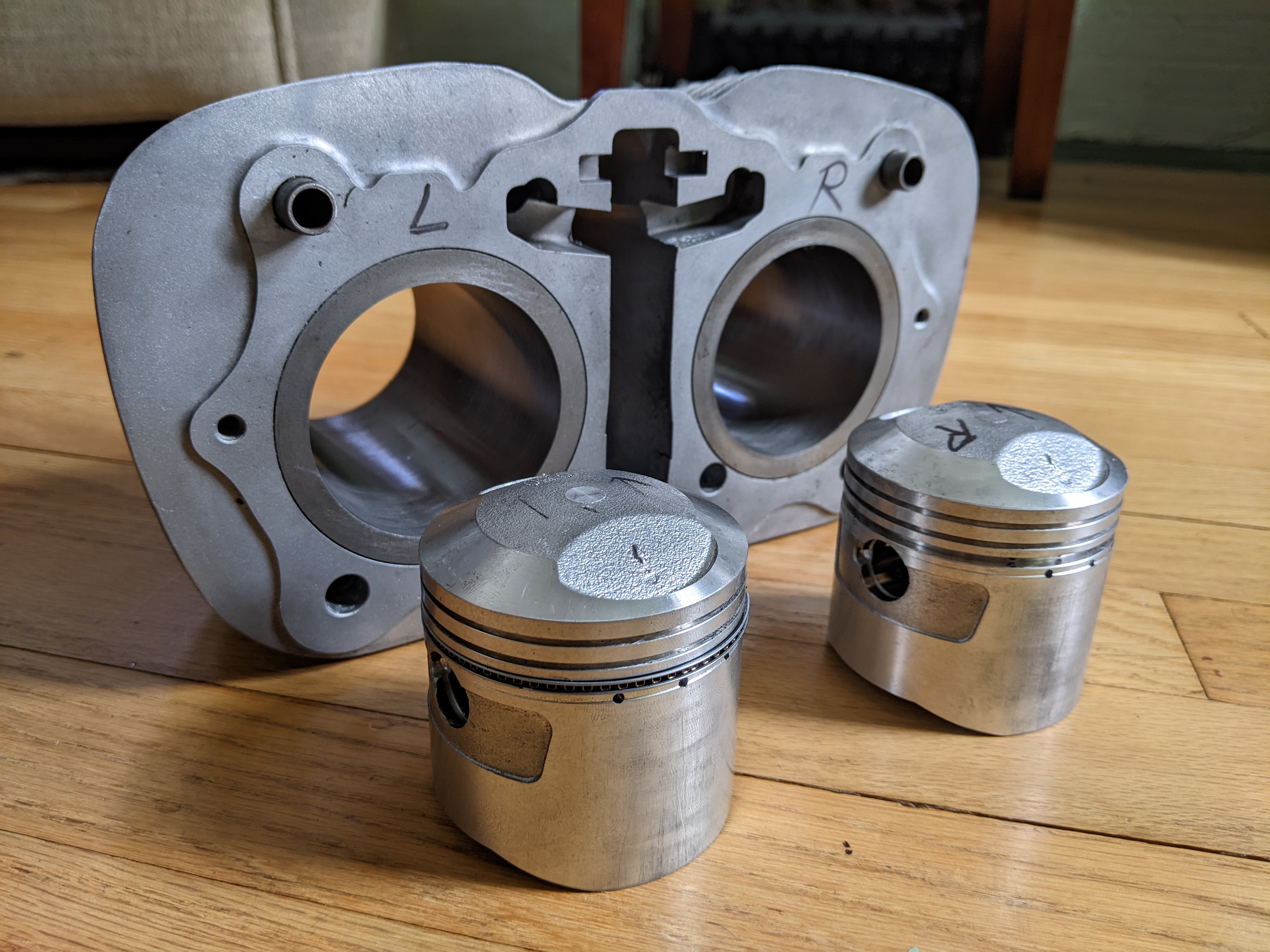
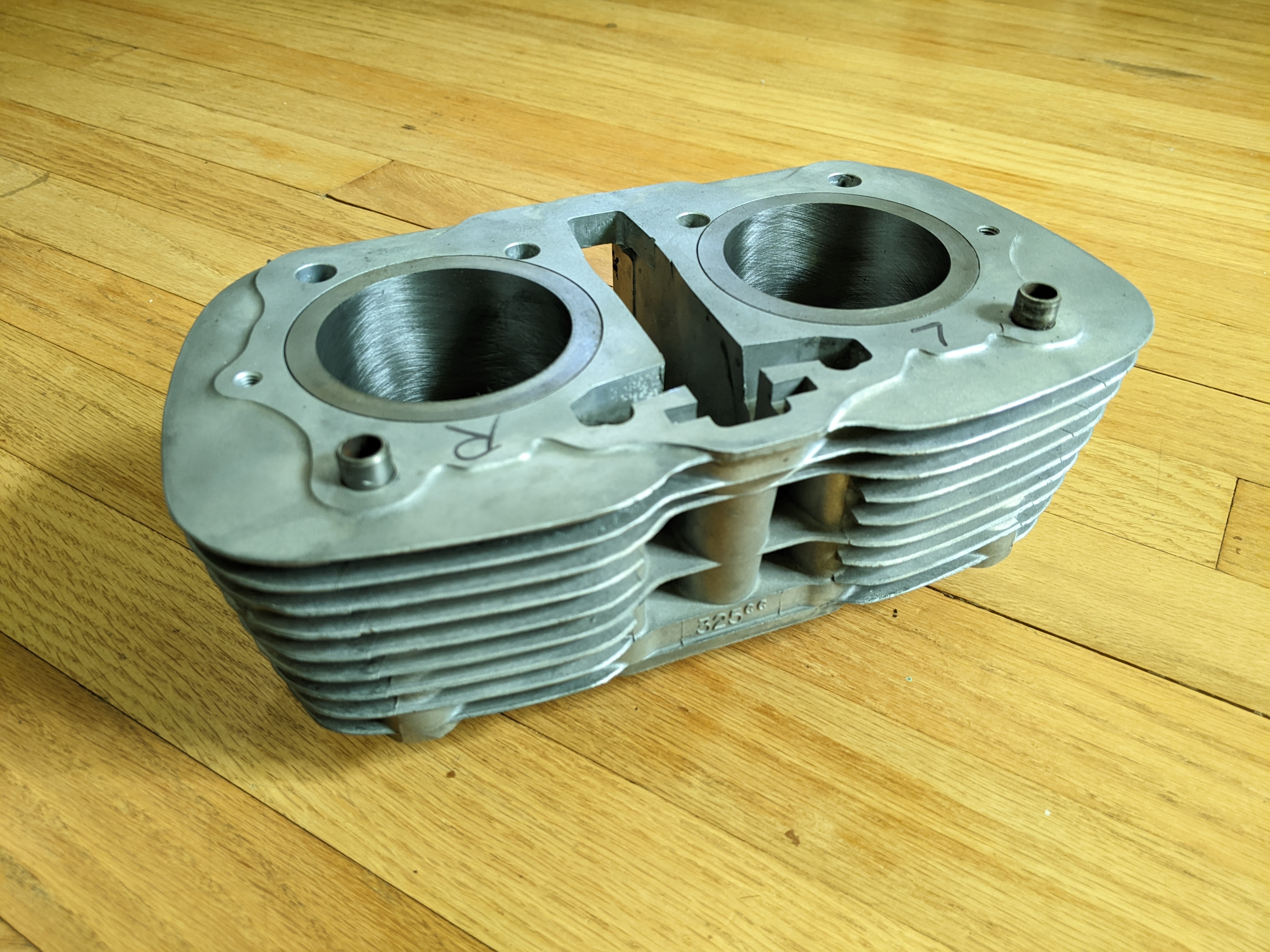
It's quite common for the pistons to be very slightly different in sizing, we're talking in ten or hundred thousandths. Good quality machinists check each piston and adjust the bore to match, poor quality pick the largest and bore all the cylinders to that.
I haven't specifically tried that, but I will. Does one look off to you?
Not at all, but right now you have the opportunity. Hold the lower leg flat and just spin the tube and watch the top end of it for deviation

You want to select a bearing ball that will just fit into the hole in the clutch lifter without binding. The idea is to keep the release rod as well centered as possible, to help the pushrod seal to last longer.
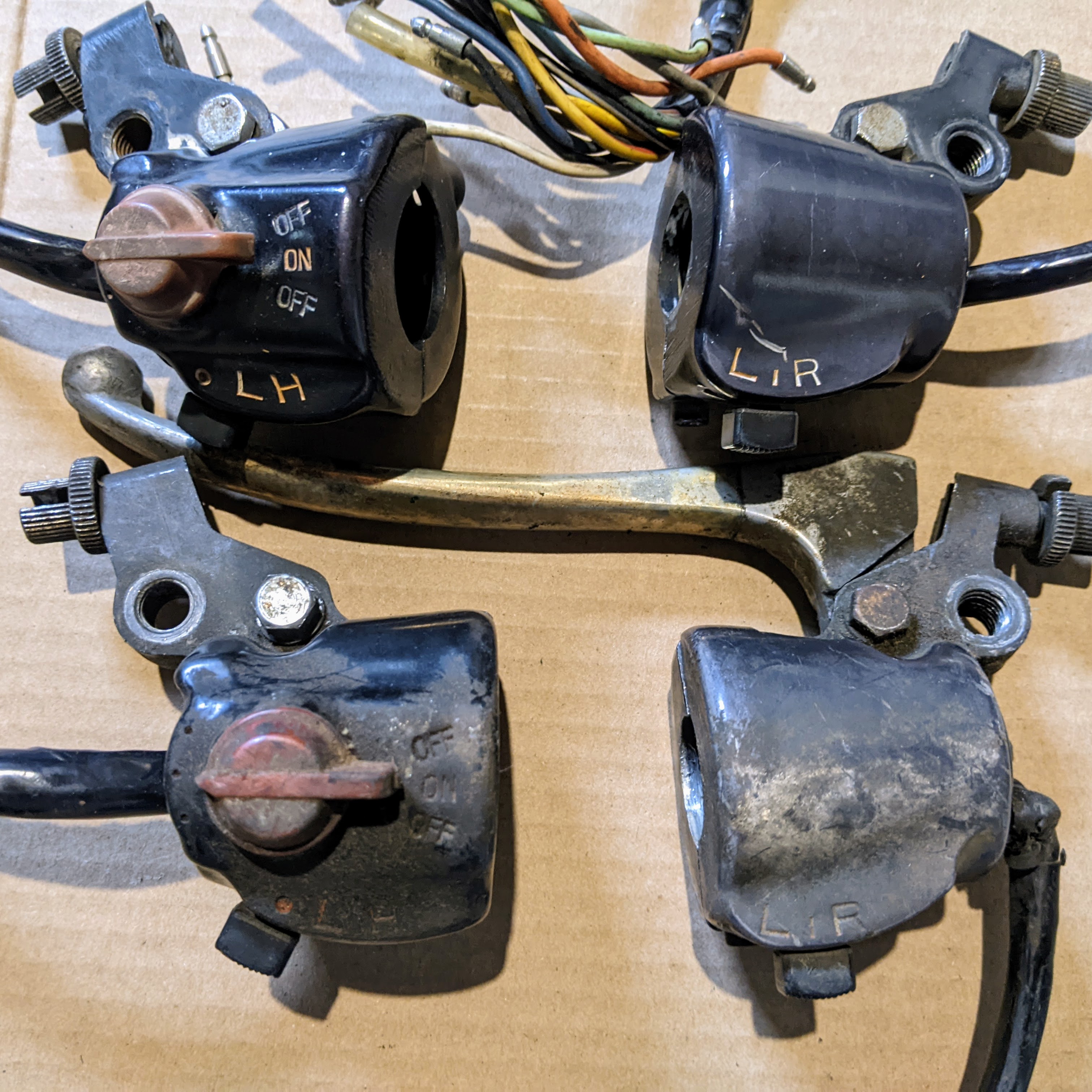
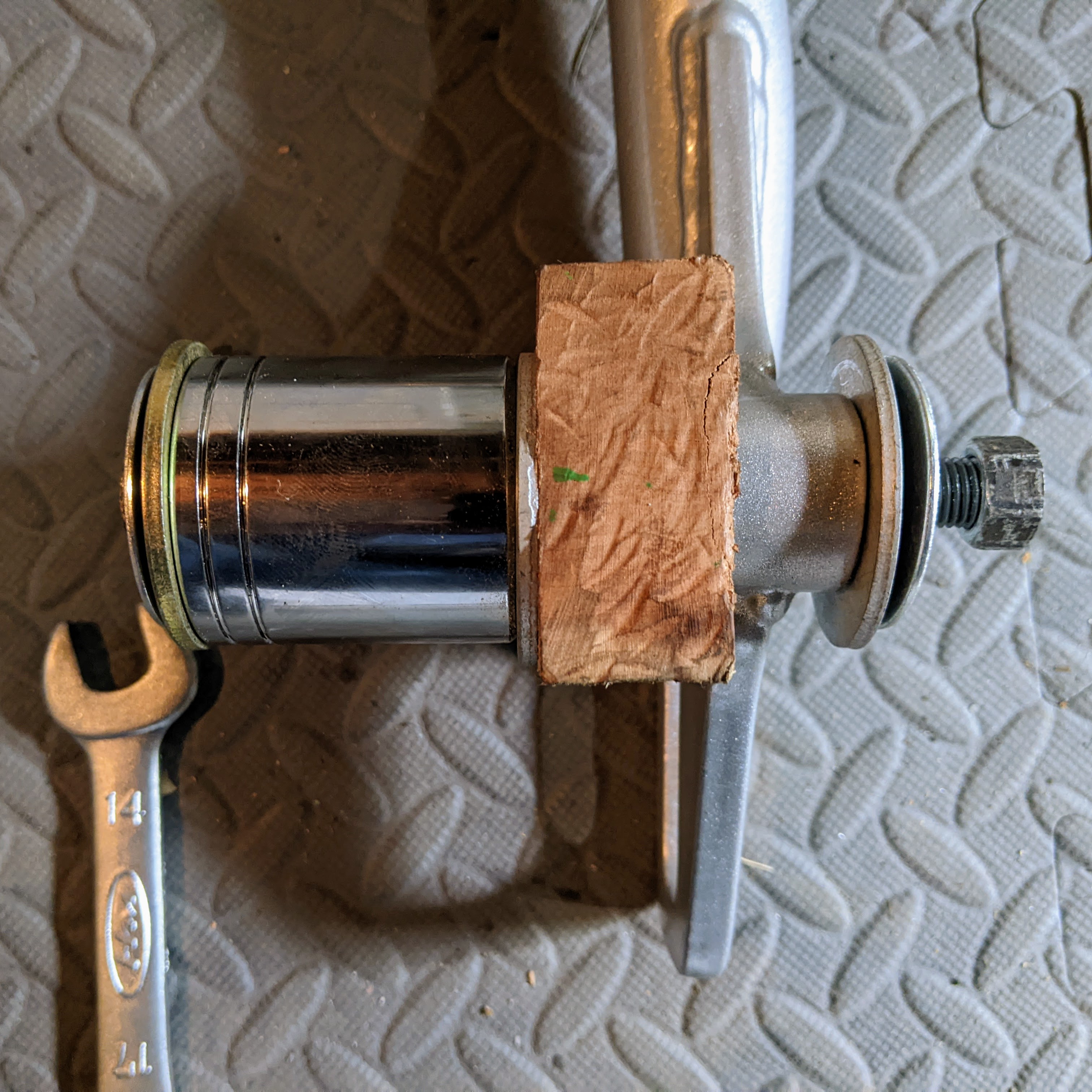
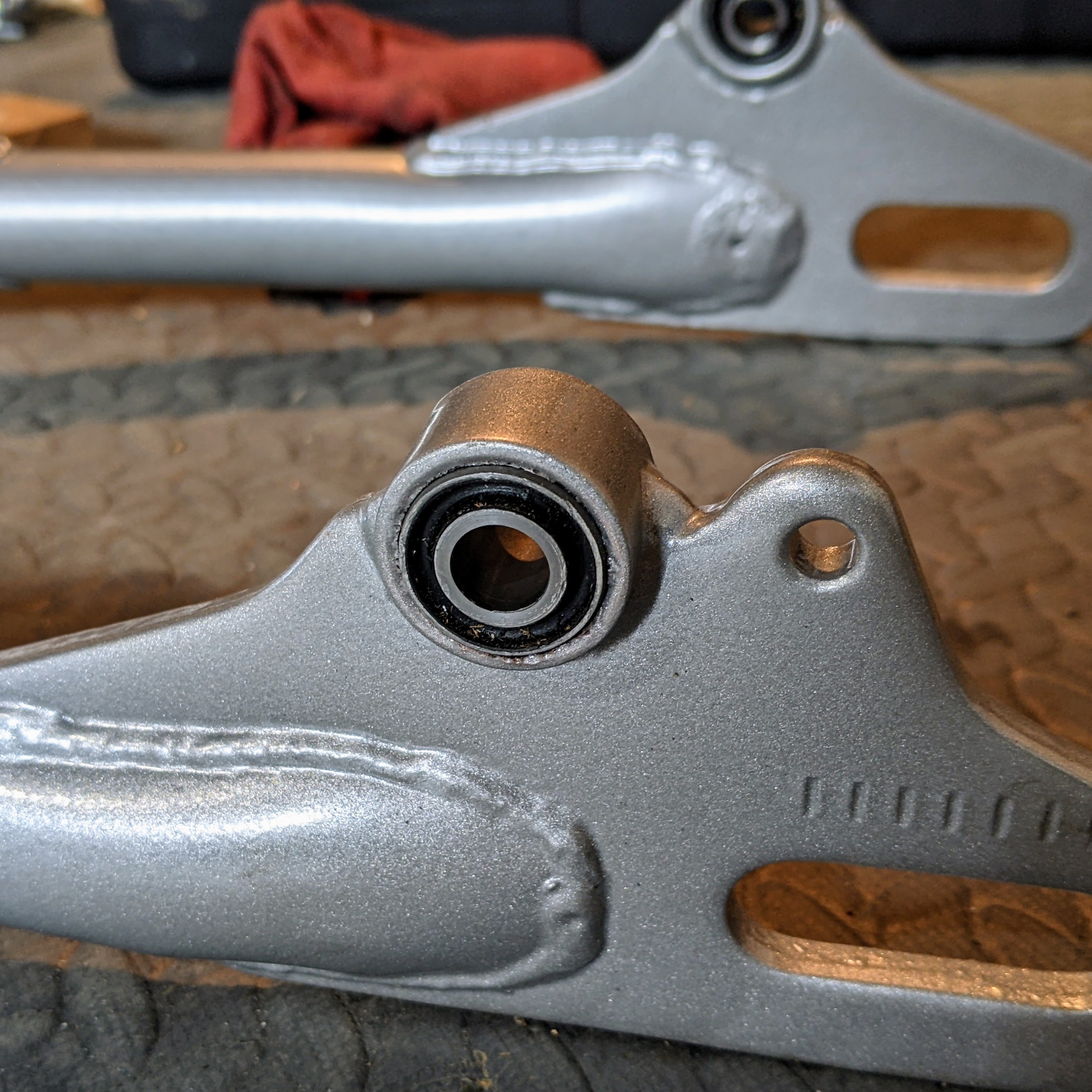
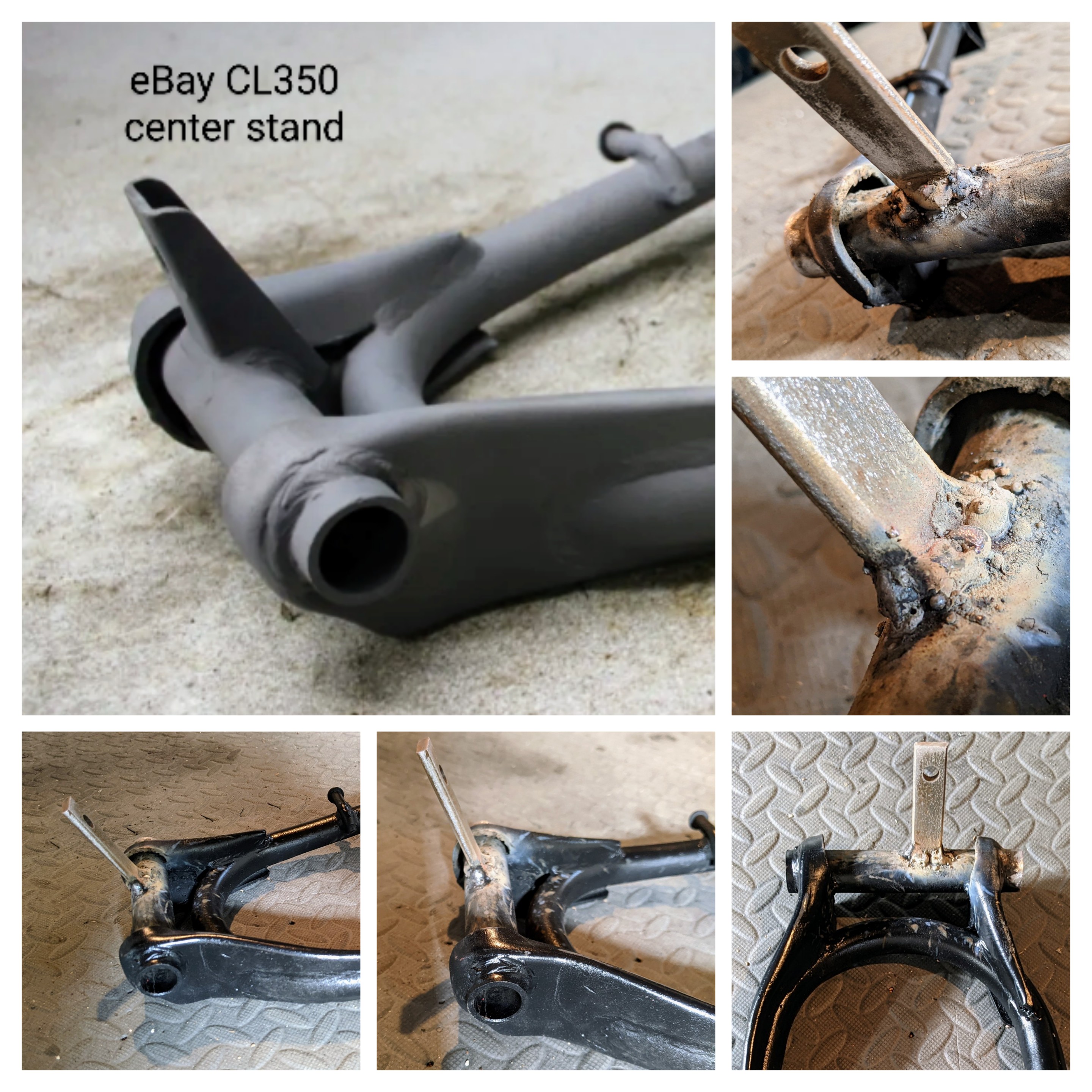
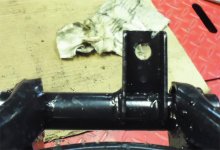
Centerstand stop looks like it should work fine, though it seems a little bit long. Hopefully the angle is the same so it doesn't hang down more than it should, the eye test seems right. I ended up using a deep socket and big automotive shock washer from my father's leftover assortment of nuts and bolts to do just what you did for the swingarm bushing installation.
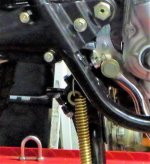
When the center stand is up the stopper bar is perpendicular to the pivot and roughly parallel with the frame. When down the stopper bar is roughly parallel with the ground.
The rubber stopper is @1" up from the pivot top.
I can take better pictures if needed.
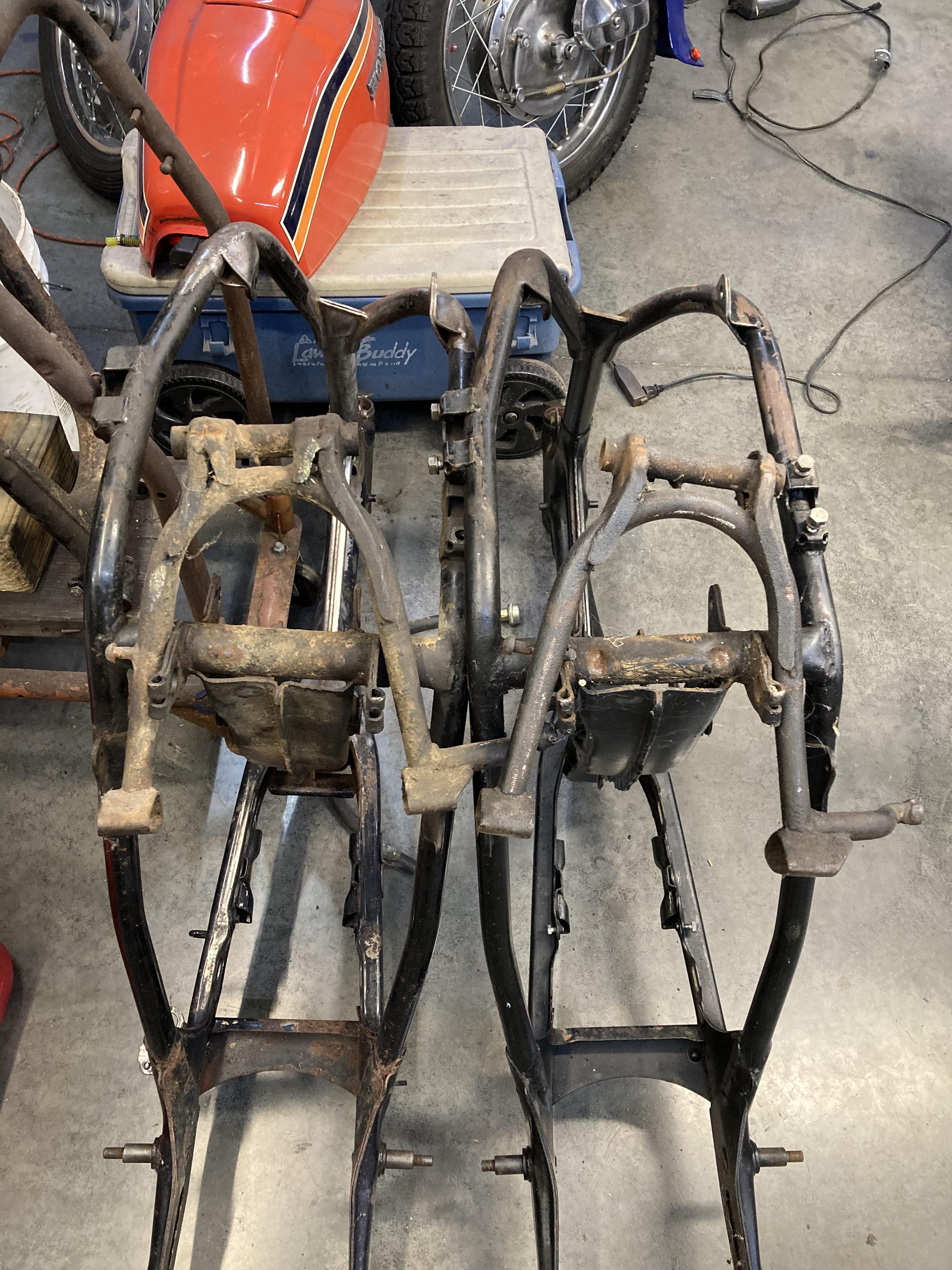
Sorry for diversion here, but if the one you are doing isn't satisfactory, I'll donate another.
Thanks. It would have been much better to obtain measurements from an CL center stand, but I think this will work even if it requires some modification. Shortening will be easier than lengthening. I just hope the angle is close enough to not cause problems.
For the bushings, I had to mix and match washers to get something thick enough to take the load yet with a small enough inner radius to prevent the nut or bolt head from going through. The block was intended to protect the paint, but I also needed the width to get on the threaded part of the bolt.