1971 CB350 . . . 40 year hibernation

Let me know if you need better photos or other measurements.

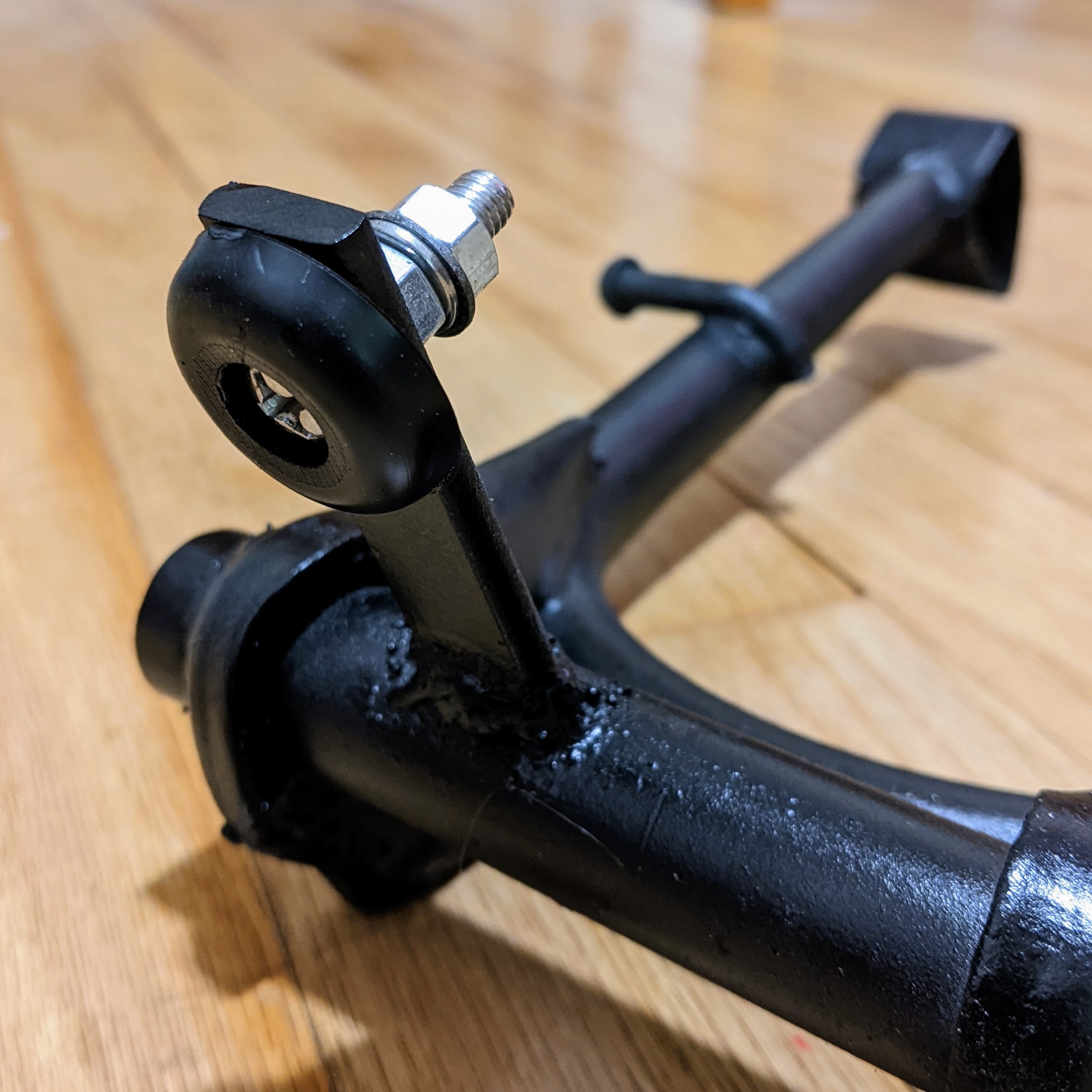
Those are really helpful, too. I think I just learned a lesson. Ask for measurements before welding! But, hopefully, what I have will work. I may need to remove a smidge from the top of the tab, but mine is narrower and that could make it look taller. I put a through hole for a 6mm bolt in case I need to adjust the height.
 
I know you enjoy breaking out the welder too (y) but you can always weld some more metal for better support against the cross tube. It looks like Honda added that on the 73's K5's.
 
Those are really helpful, too. I think I just learned a lesson. Ask for measurements before welding! But, hopefully, what I have will work. I may need to remove a smidge from the top of the tab, but mine is narrower and that could make it look taller. I put a through hole for a 6mm bolt in case I need to adjust the height.

They had a 1/4" thick rubber cushion (sorry my pic missed those) but I'd go 8mm if you want an adjuster bolt, a 6mm may get hammered to death when it swings up.
 
Always pays to keep track of spare parts. Below is a comparison of the left/right controls from my parts bike 1972 CL450 (top) and the project bike 1971 CB350 (bottom). Easy choice. The sheathing on the CL450 wiring is still clean and pliable, so it shouldn't be too difficult to pull it through the handlebars. I plan to clean and inspect all connections first, though.

This stuff will help you get that cable bundle moving through the handle bars.

lub.jpg
 
Last edited by a moderator:
This stuff will help you get that cable bundle moving through the handle bars.

Thanks for the tip!

Yep, every bit helps. The one thing that I do for sure is dremel off the burrs from the holes in the bars.

I had the bar powder coated. We'll see which way that pushes the needle on installation difficulties. I would think it could make things smoother around the holes, but overspray powder might create extra friction inside.
 
Thanks for the tip!


I had the bar powder coated. We'll see which way that pushes the needle on installation difficulties. I would think it could make things smoother around the holes, but overspray powder might create extra friction inside.

The holes are punched from the outside leaving a sharp burr on the inside edge. The powder won't dull that. Especially the center hole, during install the bars get rotated quite a bit and that is the spot where wires get a lot of damage.
 
I managed to find a non-OEM alternative to the rubber stopper (part no. 9501-162-000) mislabeled as Heavy Duty Anti-Skid Pads at Home Depot this morning.

kgqdZRM.jpg


I think it will serve well as a stopper for the modified center stand.

wEBJTpK.jpg
 
Looks good, and a creative idea. Hopefully the hardness of the material is right for the job so it won't crack due to heat and outdoor exposure while still offering a little softness for the impact of the centerstand movement upward. When I had aftermarket pipes on some of my bikes back in the day and the original stop was gone, I usually held my left foot on the lever of the centerstand as I took the bike off it (while sitting on the bike) to control the upward movement and keep it from banging up against the pipe or the aftermarket replacement stop when the pipes came with one, but it's always nice when you can simply allow the original design to do it for you without babysitting it.
 
Looks good, and a creative idea. Hopefully the hardness of the material is right for the job so it won't crack due to heat and outdoor exposure while still offering a little softness for the impact of the centerstand movement upward. When I had aftermarket pipes on some of my bikes back in the day and the original stop was gone, I usually held my left foot on the lever of the centerstand as I took the bike off it (while sitting on the bike) to control the upward movement and keep it from banging up against the pipe or the aftermarket replacement stop when the pipes came with one, but it's always nice when you can simply allow the original design to do it for you without babysitting it.

Yeah, we'll see how heavy duty they really are. And I highly doubt the anti-skid claims will hold up in this application!
 
For an adjustable stopper use a threaded rubber foot from outdoor patio furniture. Or Restaurant tables where they have the feet for leveling
 
For an adjustable stopper use a threaded rubber foot from outdoor patio furniture. Or Restaurant tables where they have the feet for leveling

Good idea. I think mine will have some adjustment. I can move one nut to the other side of the hole and, if necessary, add a third nut. Your approach would be simpler for sure.
 
It appears I was reading a much earlier post in this chain of events. Apologies!

MODS please remove the post, as it isn't part of the current conversation.


I had the same idea, except I had thought about using primer. I might do that tomorrow. I spent another 30-45 minutes hand sanding 150 to 400 to 600, all dry. I think I made some small progress.

Great job on getting that part looking VG and almost ready for ceramic coat. If you have a small jitterbug electric sander with some 600-800 grit, it will make short and faster work than hand sanding them now.
 
I buttoned up the cases this morning with a thin layer of Hondabond and torqued the 6mm bolts to 6 ft-lbs and the 8mm bolts to 15 ft-lbs. I hadn't done anything with the neutral switch before today — it's quite different from the ones I've encountered on my CB360, CB450, and XL350. I cleaned it up and reinstalled it.

LpDHO7R.jpg


DE5OHnd.jpg


I then rebuilt the cam chain roller and carefully installed it in the upper case. I bought a replacement for the large roller from 4-into-1. I could imagine someone dropping one of those little plastic inserts into the lower case, but thankfully that didn't happen today.

E24AyrI.jpg


MNAhMFo.jpg


DBCXNQl.jpg


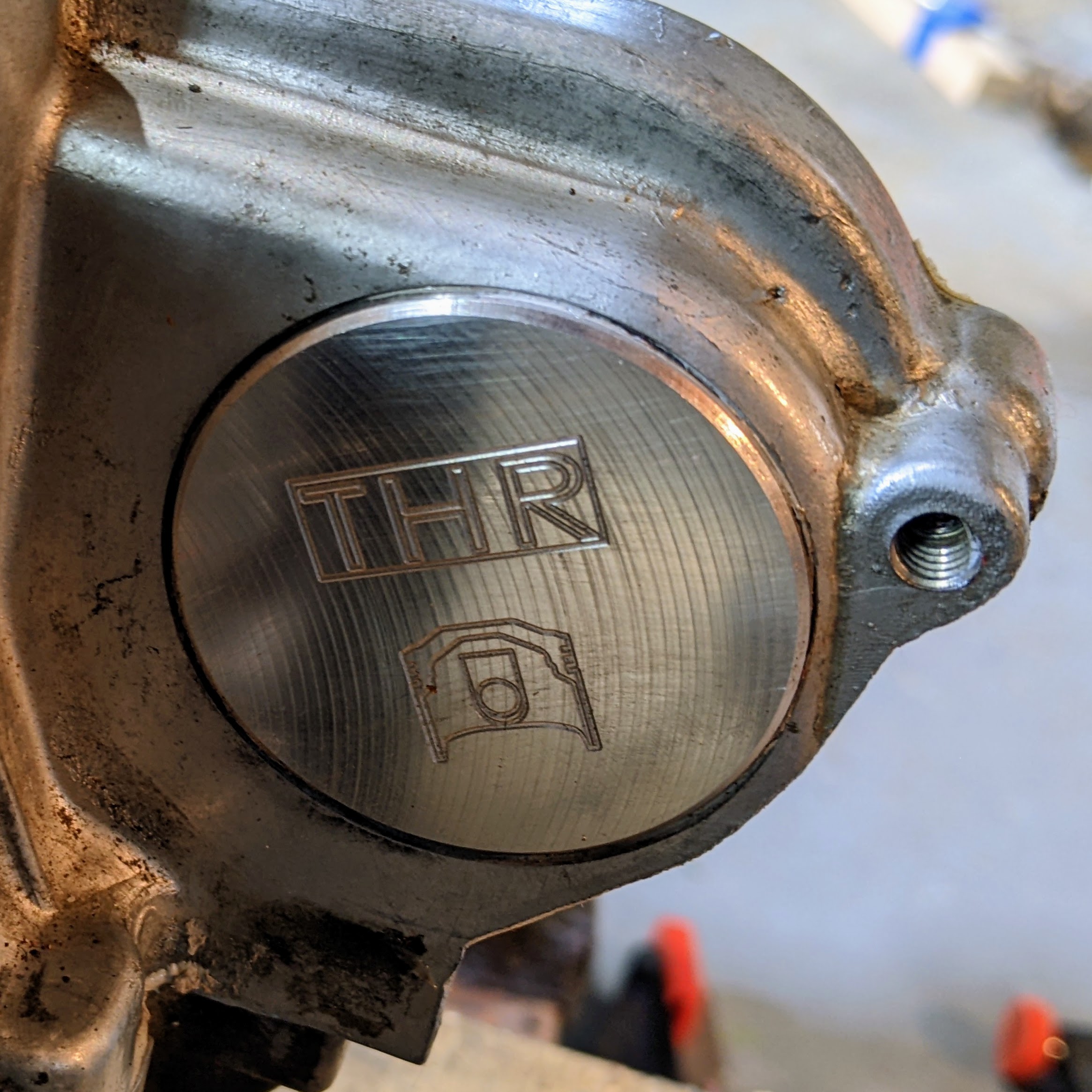
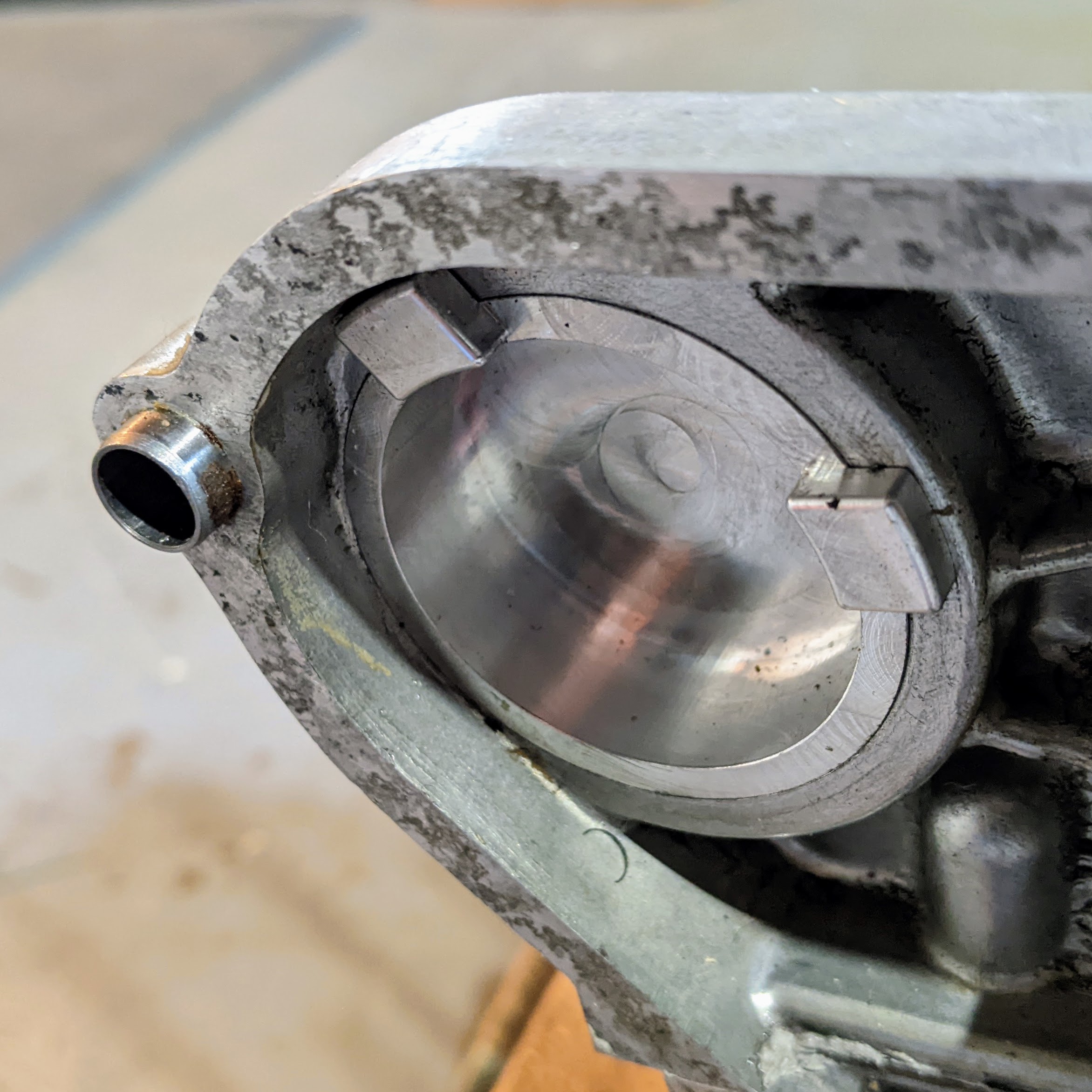
I also installed a starter motor plug that I had found on eBay. I probably should've followed Tom's (ancientdad's) example and purchased the Capellini plug, but this one was a smidge cheaper so I thought I'd give it a try. The o-ring in the middle tore a little during installation, but I sealed the outer diameter with Hondabond for good measure.

EOKm7Zm.jpg


ygUqLBw.jpg


I think the next step will involve replacing the base gasket, pistons, and cylinder, but I'm going to pause work for today.

ubKzPqU.jpg
 
I probably should've followed Tom's (ancientdad's) example and purchased the Capellini plug

That one looks fine and is obviously a Todd Henning item. Mine was not from Cappellini, it was from SpeedMotoCo and was actually for a 350 but the starter motor snout is the same size.
 
That one looks fine and is obviously a Todd Henning item. Mine was not from Cappellini, it was from SpeedMotoCo and was actually for a 350 but the starter motor snout is the same size.

My bad — I guess I mixed that up. Also, I should have sanded that THR stuff off the face before installing. The face of it shows a lot of machining marks as it is.
 
Also, I should have sanded that THR stuff off the face before installing. The face of it shows a lot of machining marks as it is.

It is a bit roughly-hewn as CNC items go, but if anyone sees it that knows anything about AHRMA racing they'll know it's from Todd Henning Racing. The pistons for my drag bike project are THR (from Wiseco).
 
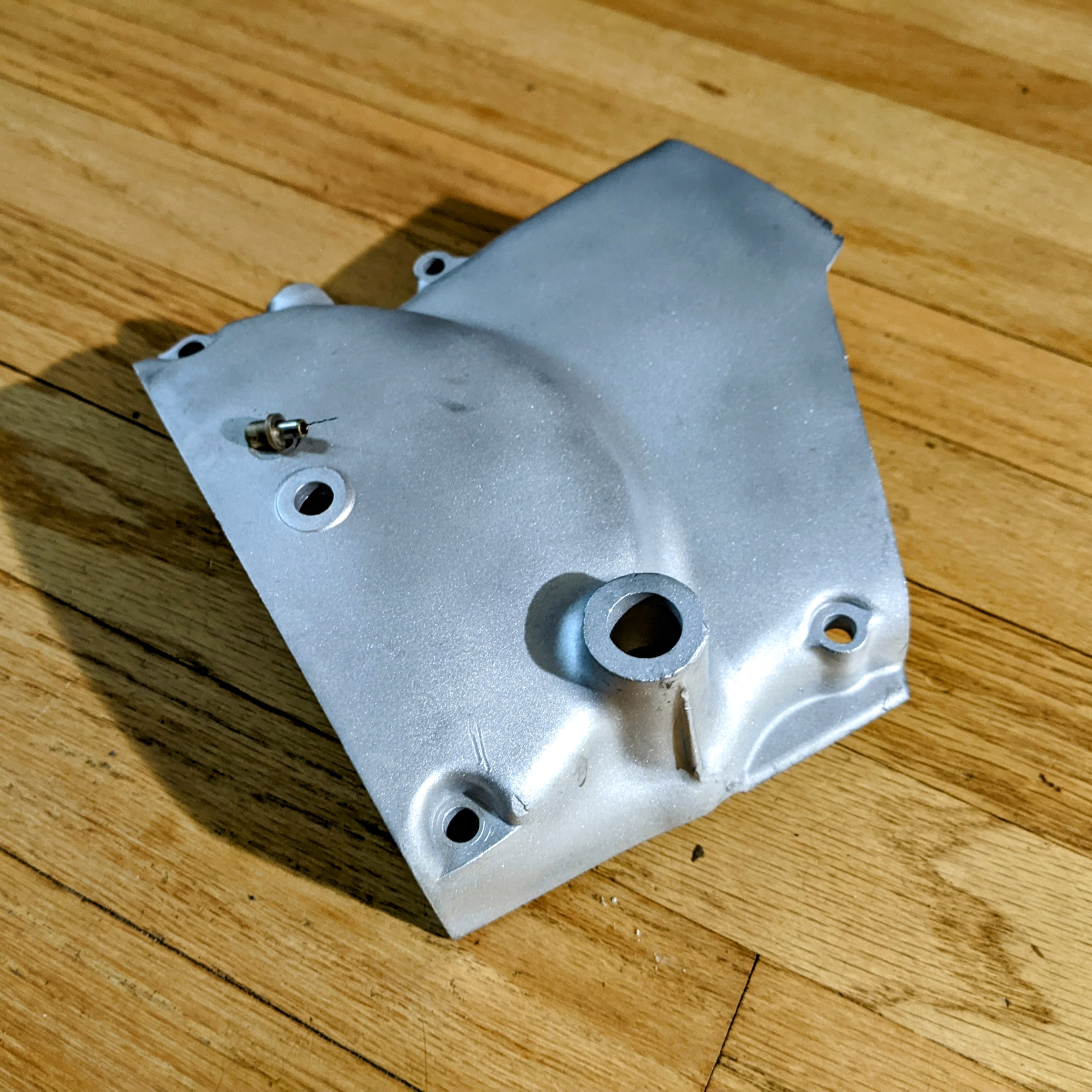
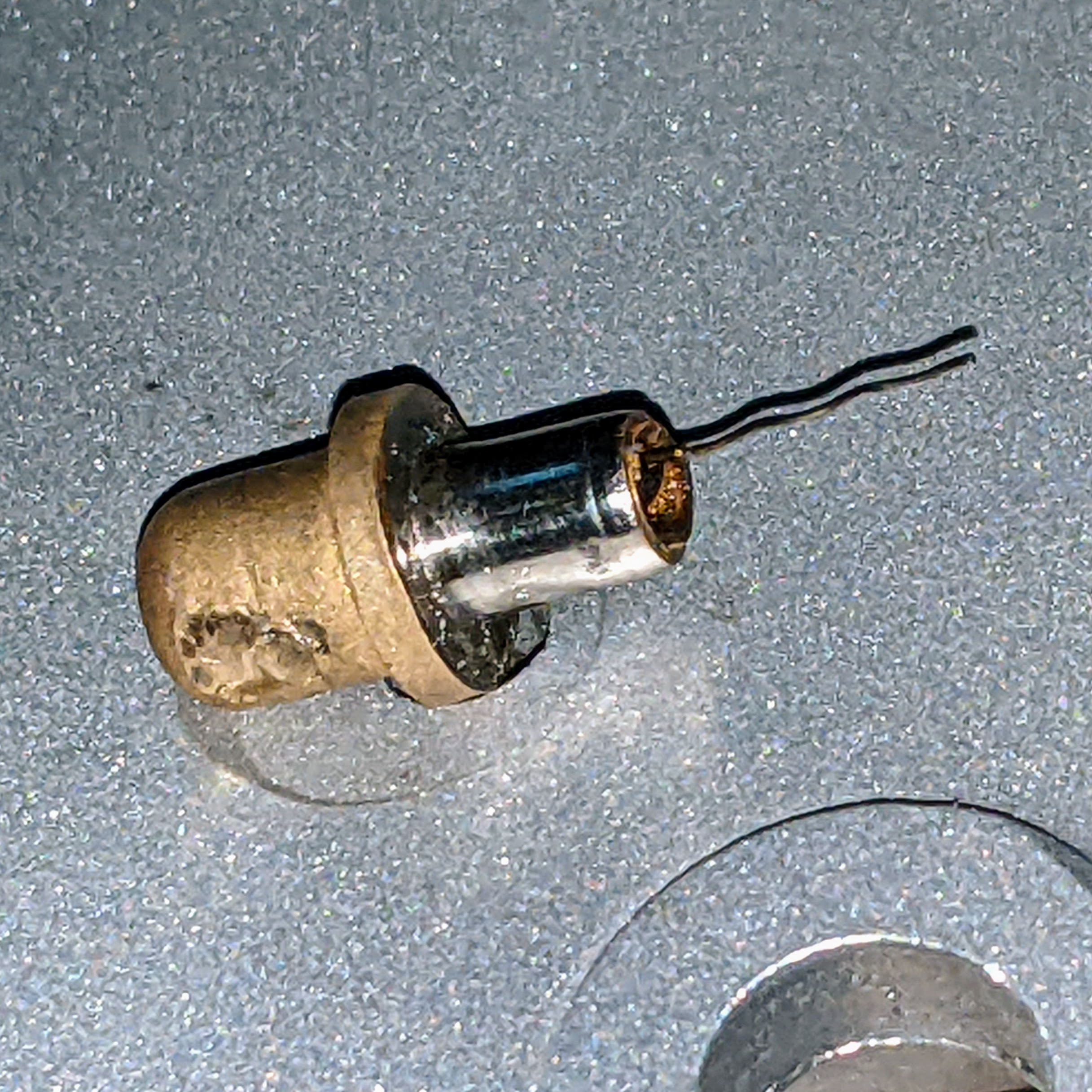
I had my side covers vapor honed by the same shop that has been doing a lot different things for me. The grease fitting came out of the sprocket cover — does it look like it's all there? I am inclined to tap it back in unless there's something missing, in which case I'll replace it. I test fitted it and it gets tight as I try to insert it, so I think it will stay if I tap it all the way home.

OqaiQZJ.jpg


LJH0UNf.jpg
 
When I painted the front sprocket cover for the drag bike I pulled the grease fitting out myself, I previously taped off the one in the red bike. I pushed it back in afterward and it fits plenty tight enough, yours should too. That's a spot you can basically hand-grease when the cover is off and the assembly of parts are out, so if nothing else the fitting covers the hole.
 
When I painted the front sprocket cover for the drag bike I pulled the grease fitting out myself, I previously taped off the one in the red bike. I pushed it back in afterward and it fits plenty tight enough, yours should too. That's a spot you can basically hand-grease when the cover is off and the assembly of parts are out, so if nothing else the fitting covers the hole.

Thanks, Tom. What's that wire for that is hanging out the front end of the grease fitting? Looked weird to me.
 
Thanks, Tom. What's that wire for that is hanging out the front end of the grease fitting? Looked weird to me.

Looked weird to me too, probably someone in the past tried to clean out the passage of dried grease and lost their wire 'cleaner'. Shouldn't be there, only a tiny spring behind the ball.
 
Looked weird to me too, probably someone in the past tried to clean out the passage of dried grease and lost their wire 'cleaner'. Shouldn't be there, only a tiny spring behind the ball.

It may be the spring that holds the ball bearing valve to keep the grease in. I just blow them clear with the compressor but hardly ever actually use a grease gun on them.

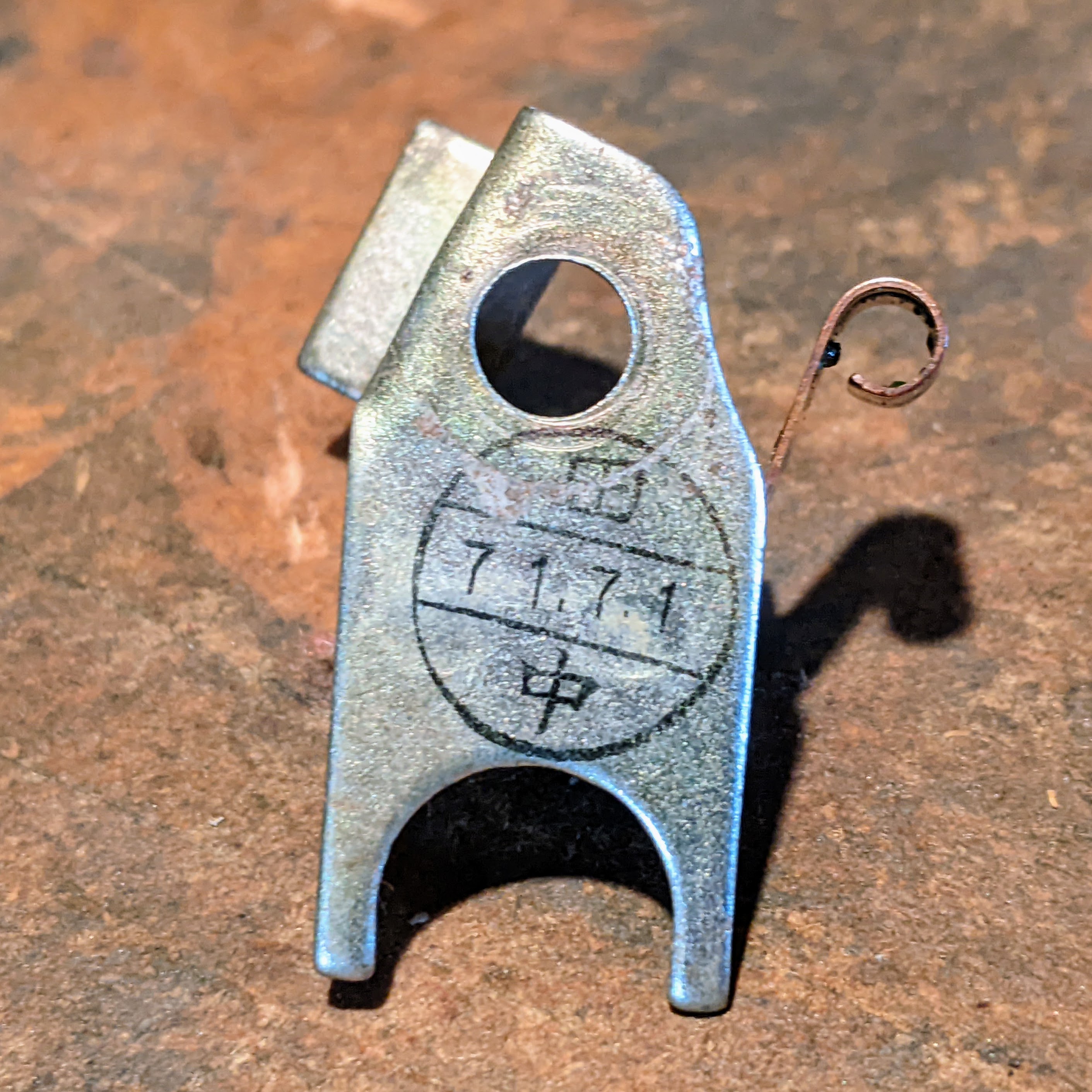
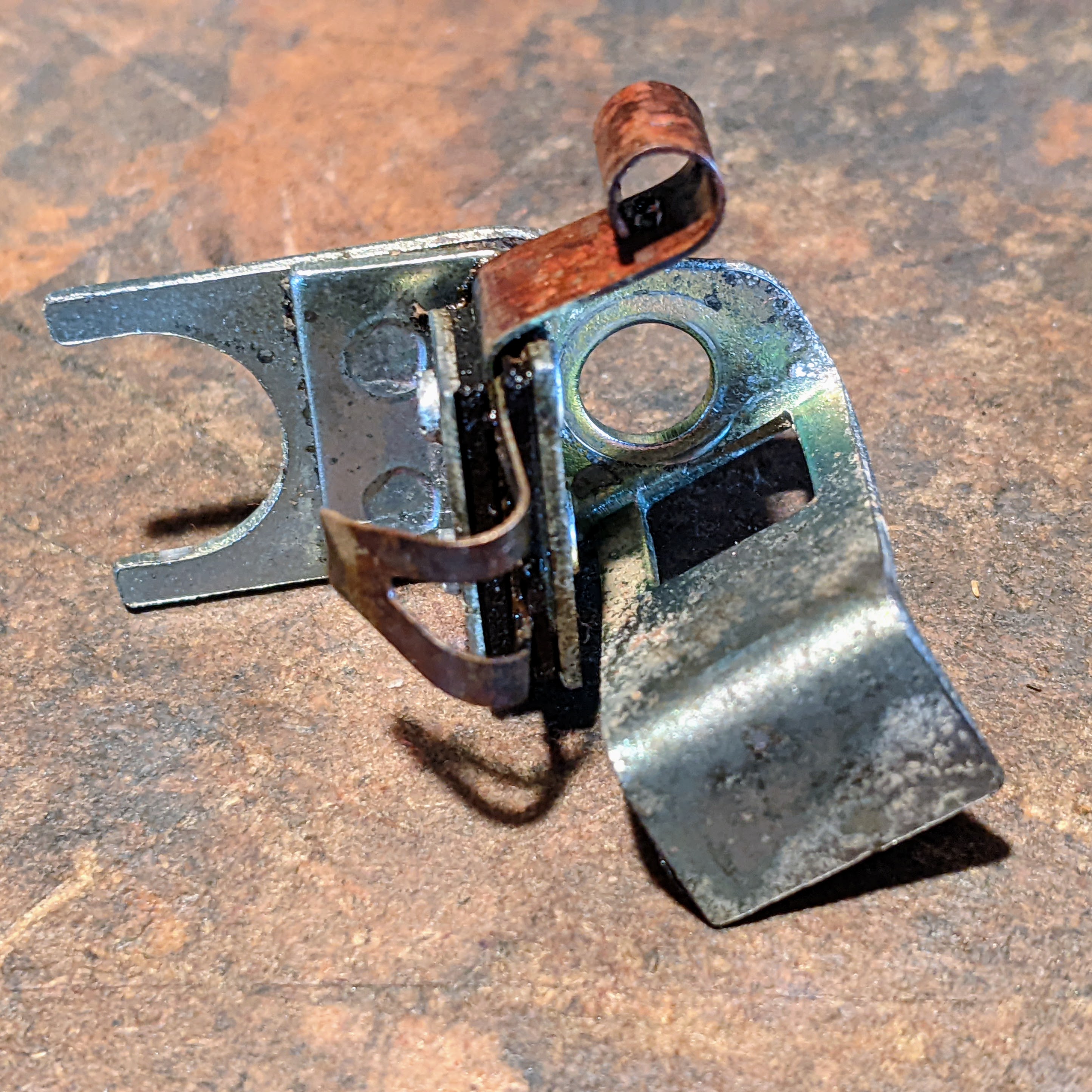
On your neutral switch there looks like it's contact tip (looks like a points pad) is broken off.
 
It may be the spring that holds the ball bearing valve to keep the grease in. I just blow them clear with the compressor but hardly ever actually use a grease gun on them.

On your neutral switch there looks like it's contact tip (looks like a points pad) is broken off.

Thank you! I think you're right on both counts — I ordered a new grease fitting and I'm going to have to inspect the neutral switch closer as well as the one on the other motor.
 
That NOS listing is a bit steep for me. Lol, indeed.

Yes, and if you consider what must be double their cost and more as a retail price for something that probably sold for $5 or so when it was truly new on the shelf... I realize it's a finite number of these parts that remain and though you'd love to get rich off one deal, but come on. I can come up with a functional solution myself for that much money :lol:
 
Yes, and if you consider what must be double their cost and more as a retail price for something that probably sold for $5 or so when it was truly new on the shelf... I realize it's a finite number of these parts that remain and though you'd love to get rich off one deal, but come on. I can come up with a functional solution myself for that much money :lol:

It'll definitely be worth fiddling around with it to see if it can be made to work reliably. I could probably drill a tiny hole in what's left and solder a new "pad" onto it. I still need to have a closer look at how it interacts with the contact on the end of the shift drum.
 
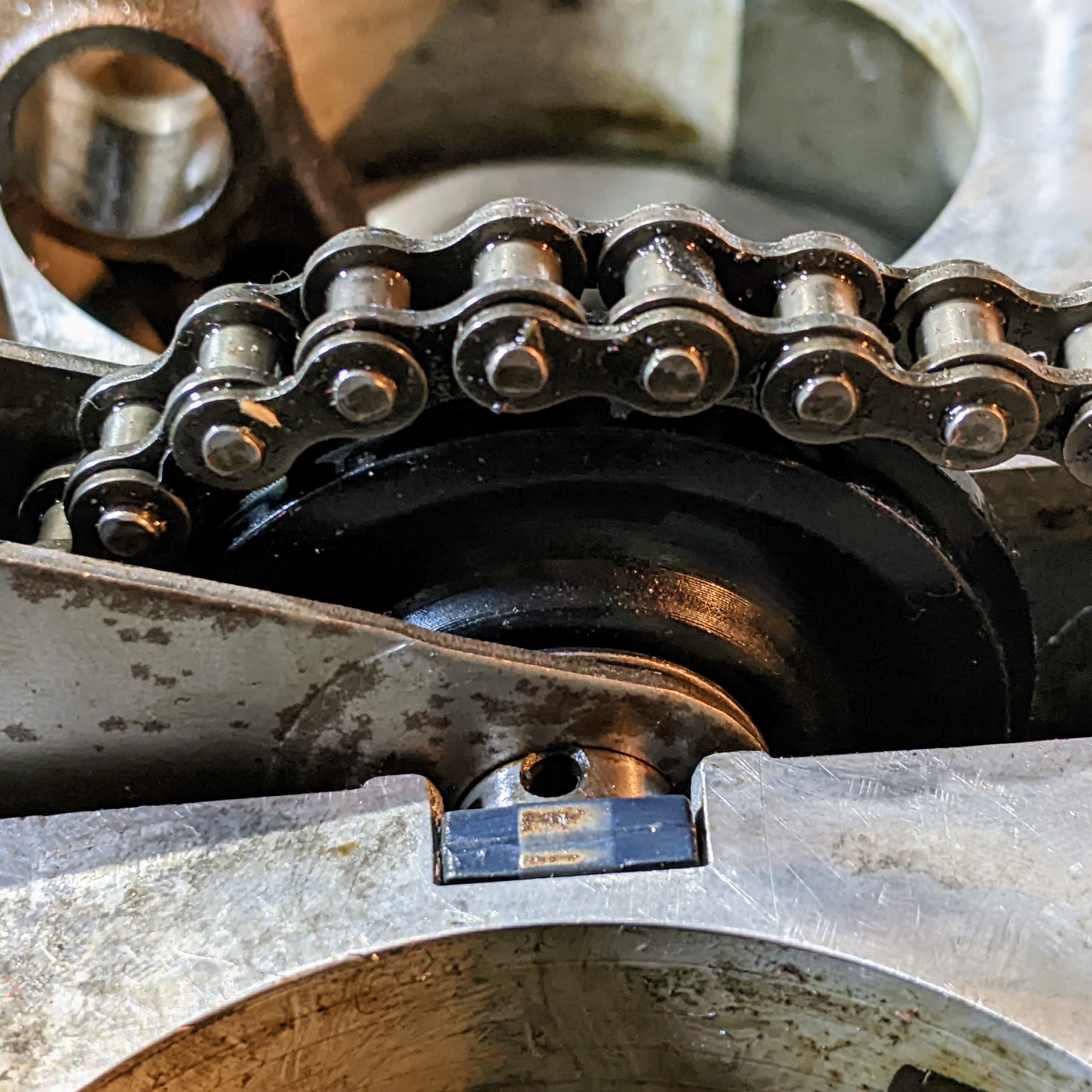
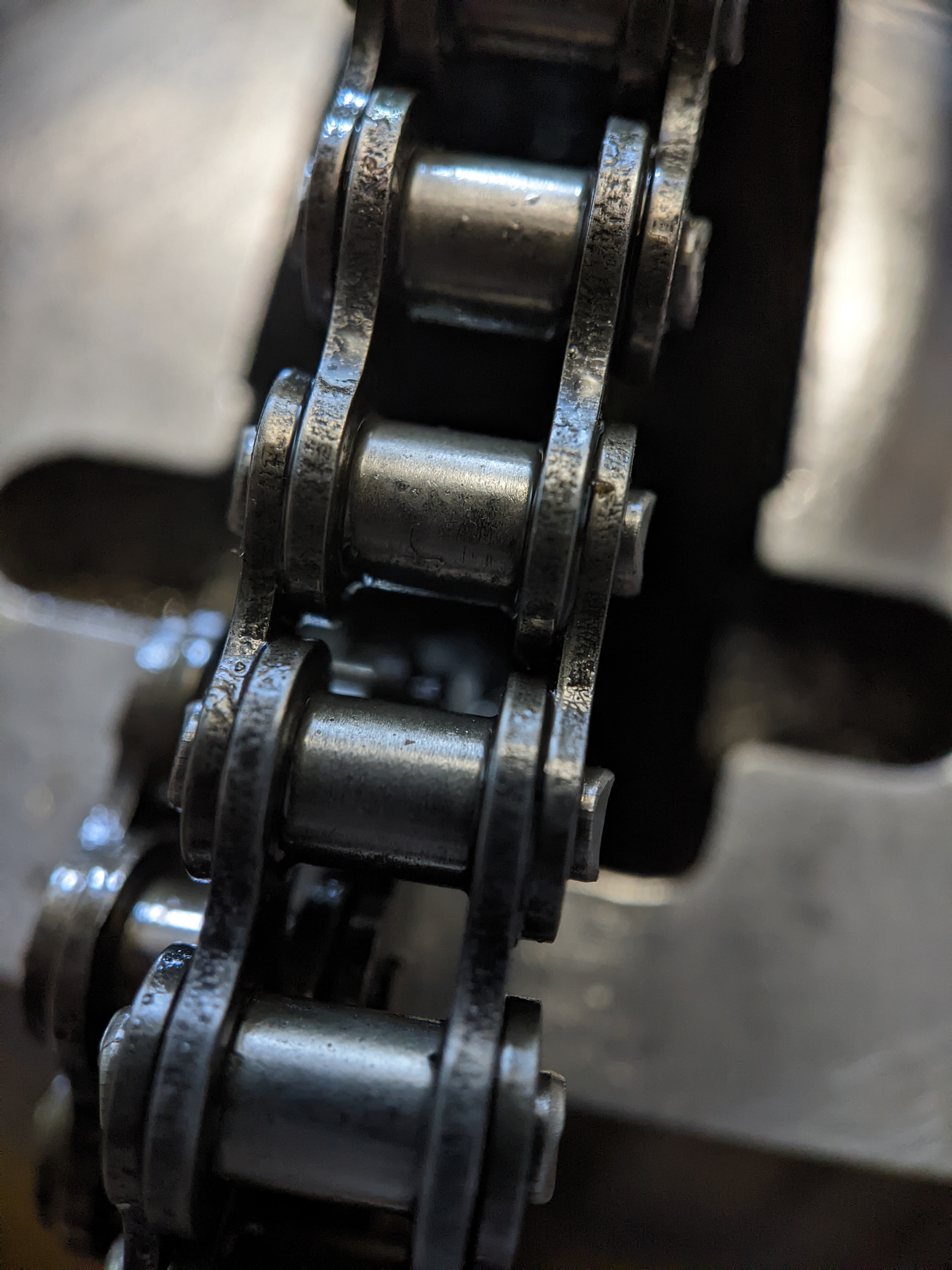
Please tell me that white dots all over the chain and wheel in post 569 are just the camera and not SWARF or FOD.

Thanks for pointing this out. One of the reasons I try to pause at important steps is to avoid addressing things like this. A huge advantage of forum participation.

The base gasket took a lot of work with a razor blade and Scotch-Brite pad to clean up. This was done prior to splitting the cases so that contaminants could be cleaned out while the cases were split. However, I didn't pay nearly as much attention to the upper case as I did to the lower case and I neglected to properly clean the cam chain. So, I think the white dots in the picture are a combination of reflections of a bare incandescent light bulb in my basement and some little bits of fiber produced while removing the base gasket. I tried to keep debris out of the case, but it's hard to clean right up to the edge of the bores or the chain slot with a bunch of shop rags stuffed in the holes. I also tend to forget how much lint a shop towel leaves behind, so there are some shop towel fibers showing up as well.

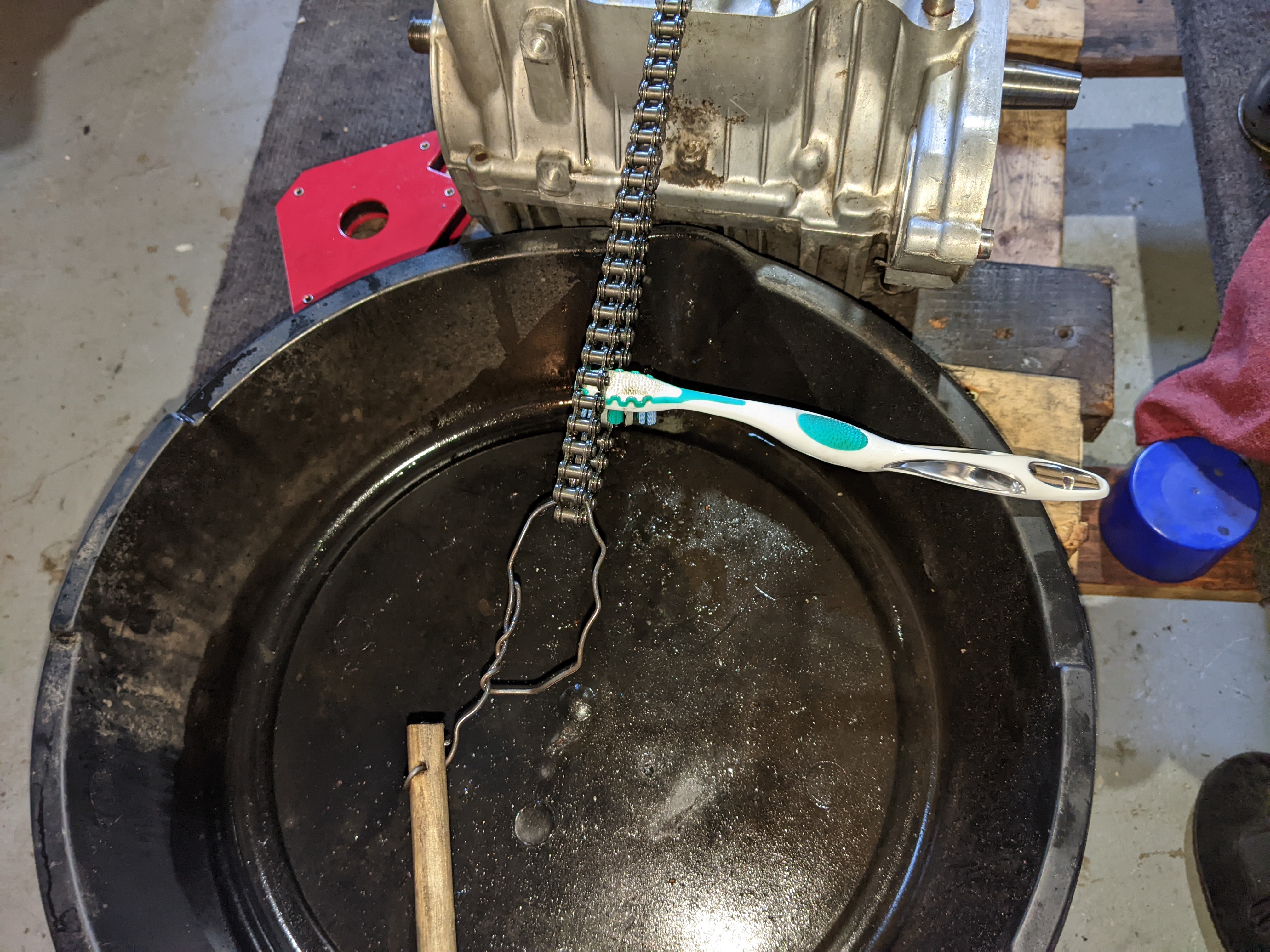
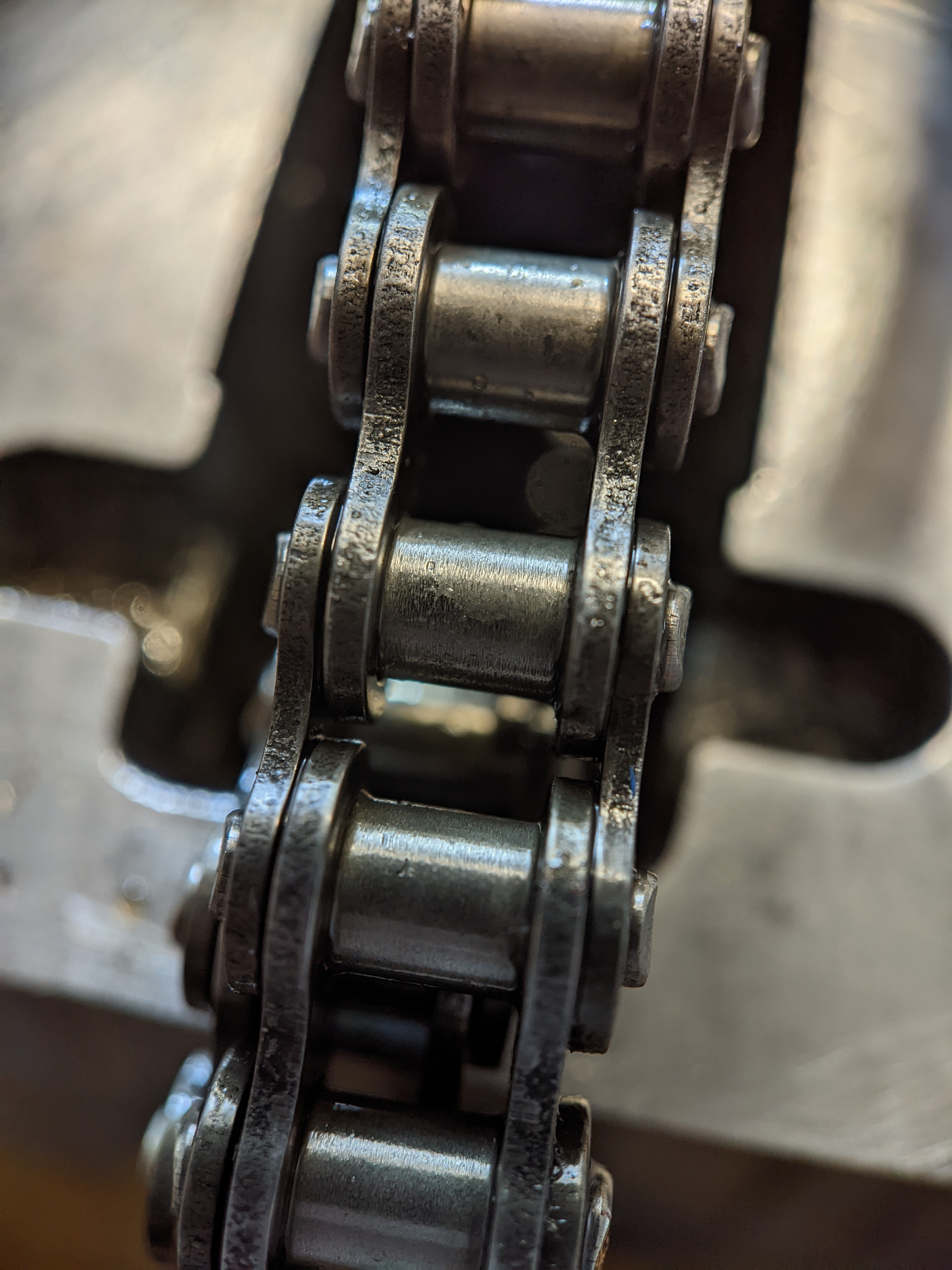
This morning I cleaned the chain and roller. I worked on the part of the chain outside the case by extending it over an oil pan and then spraying it with brake cleaner. The next step involved spraying chain lube over the section and brushing it with a tooth brush — outside, inside, underneath, on top, in between, you name it. I cleaned one portion at a time until I went through the whole chain and then repeated the whole process again. I cleaned the roller by rotating it with a microfiber towel against the top and outside surfaces (separately). I took one picture to show the setup and two pictures of random portions of the chain using a macro attachment for my cellphone camera.

k37Jjge.jpg


BgjQ2MQ.jpg


E8Vc23M.jpg


I'm sure you can't translate here what those two terms are. I'd just say dandruff and leave it. :lol:

I had to Google both terms, although I definitely knew what Jim was getting at from the context.

Swarf (noun): fine chips or filings of stone, metal, or other material produced by a machining operation.

FOD (acronym): foreign object debris. (Apparently this term is prevalent in the aerospace industry.)
 
FOD (acronym): foreign object debris. (Apparently this term is prevalent in the aerospace industry.)


As well as the ultra-clean high performance engine building shops.

I saw it too and passed it off as mostly lint, though remember Jim's requirements that Mom should be able to eat off the surfaces (and the silverware too)
 
The danger of these little bits is that they will collect on the pickup screen and with enough of them block the screen. I have faith that the centrifugal filter will catch what ever makes it thru. These oil pumps are weak on a good day and any blockage just makes it worse.
 
The danger of these little bits is that they will collect on the pickup screen and with enough of them block the screen. I have faith that the centrifugal filter will catch what ever makes it thru. These oil pumps are weak on a good day and any blockage just makes it worse.

I did my best to clean it outside the case to prevent the little bits from ending up in the sump. Hopefully this minimizes foreign debris teaching the screen, but would you recommend shortening the post-build oil change interval as a precaution? The usual interval is 500 miles, correct?
 
I did my best to clean it outside the case to prevent the little bits from ending up in the sump. Hopefully this minimizes foreign debris teaching the screen, but would you recommend shortening the post-build oil change interval as a precaution? The usual interval is 500 miles, correct?
I would clean the pickup screen at @50 miles which obviously means oil change. I'm more concerned with the screen than the oil. After 50 miles the engine is pretty much broken in so going to regular intervals will do nicely.
 
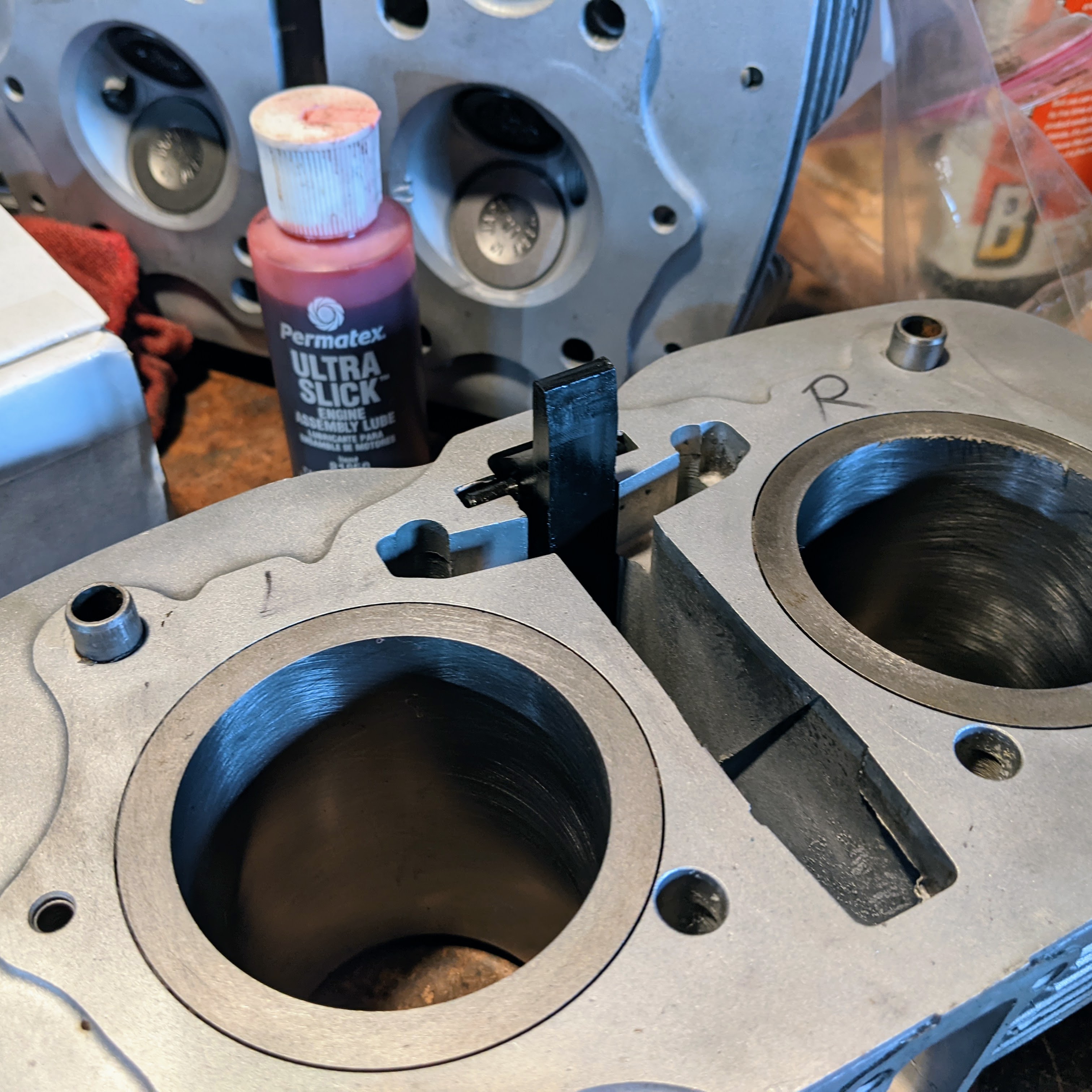
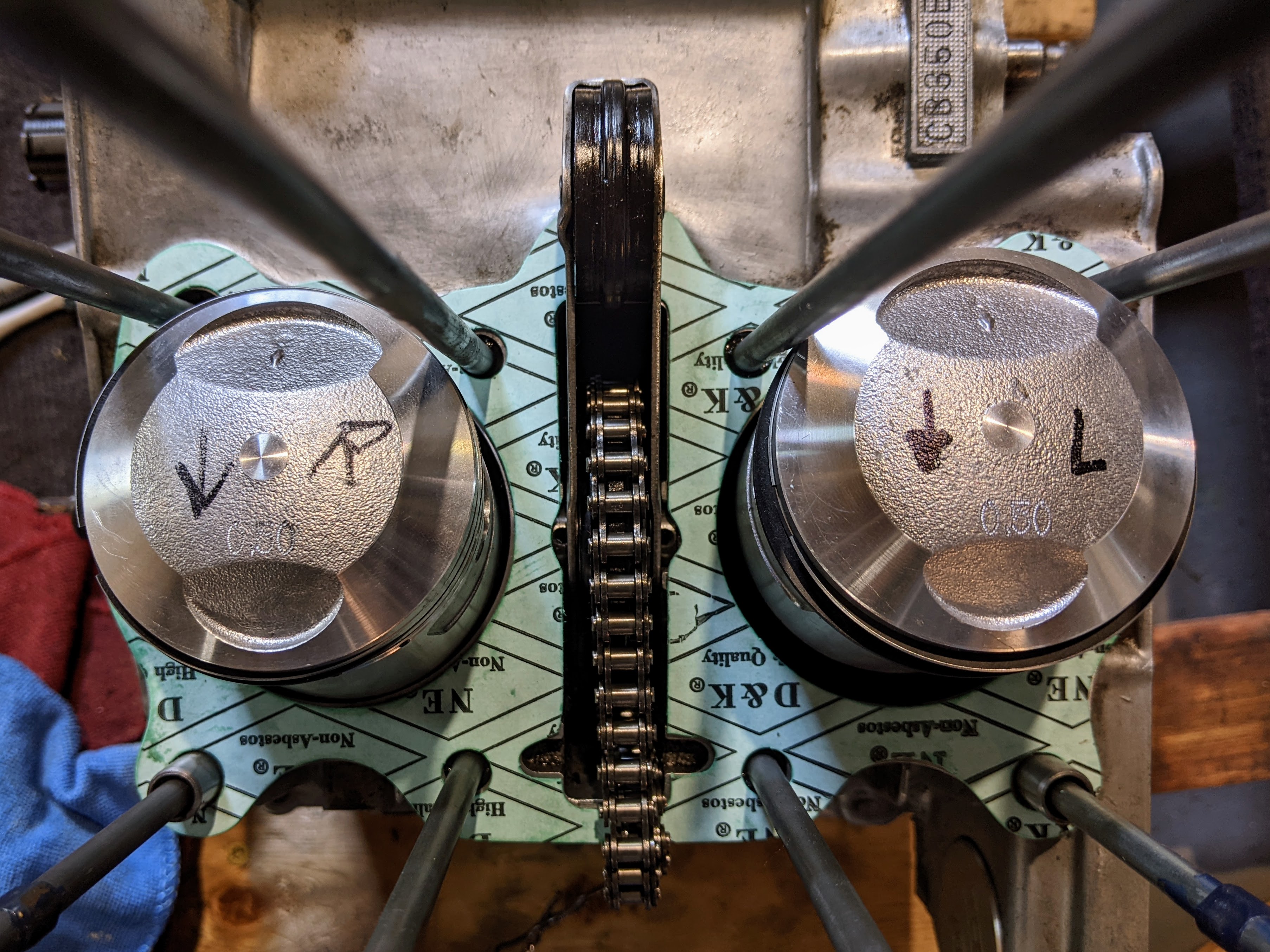
I installed the +0.5mm Cruzin Image pistons. The clips went in smoothly, which was a relief. Jensen had cautioned about being careful with the piston pin clips, so I practiced with an old clip on an original piston a couple of times to increase my muscle training and feel for the task. I agree with his suggestion to obtain extra clips and discard any clip that doesn't go in within 20-30 seconds, but, unfortunately, the kit only comes with two per piston. I think three per piston would be a better standard. In fact, the owner of the shop I'm working with related a story where someone bought extra clips in the wrong size and ended up with top-end damage as a result. All the more reason for the kits to include spares in the correct size.

qrPz8GK.jpg
 
I think three per piston would be a better standard. In fact, the owner of the shop I'm working with related a story where someone bought extra clips in the wrong size and ended up with top-end damage as a result. All the more reason for the kits to include spares in the correct size.

It would be a good idea, but in the words of the UK members the "rivet counters" would quickly point out the large total of dollars lost over the course of thousands of sales.
 
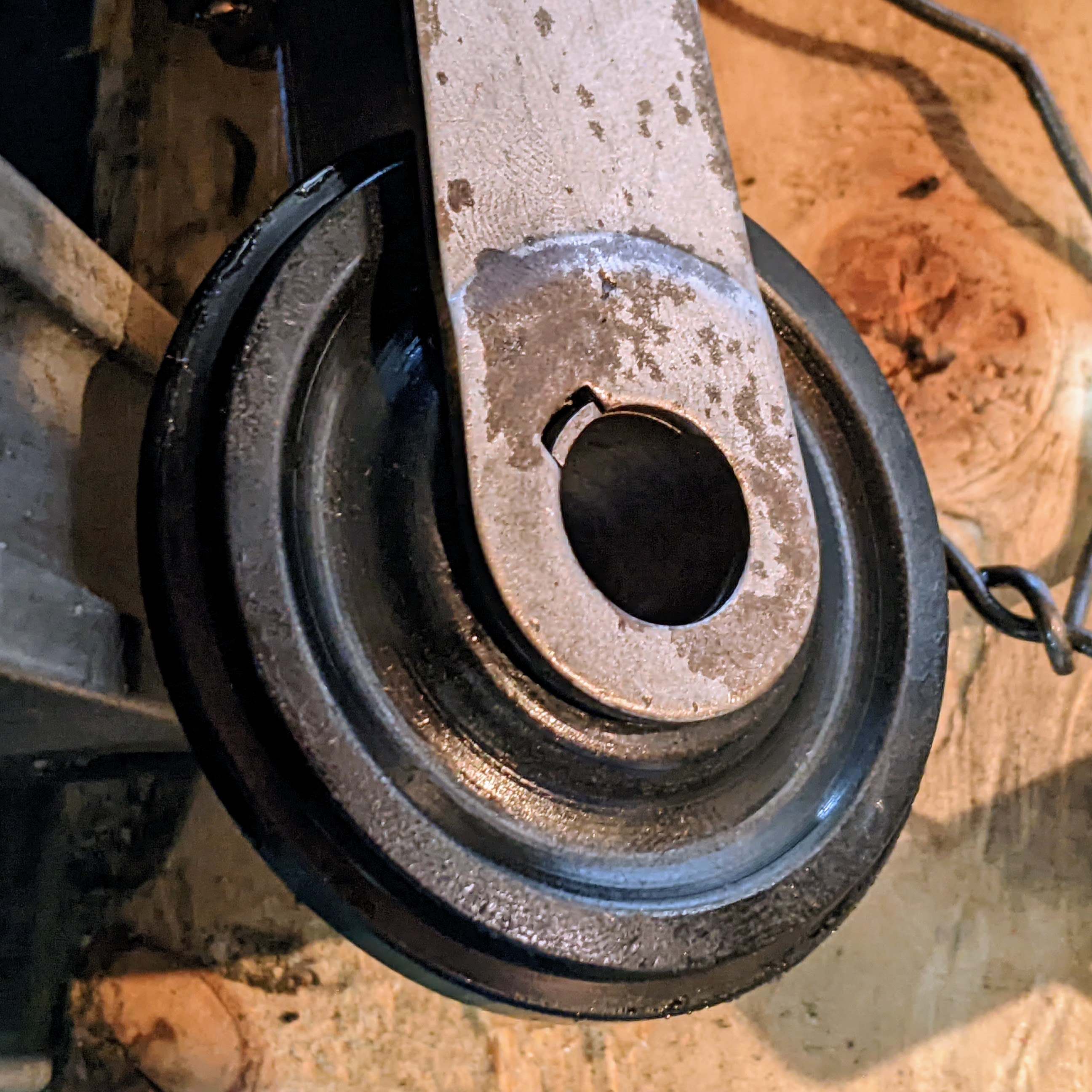
BTW, the tensioner roller has the look of one that will be coming apart in the not-too-distant future. I don't recall seeing a clear pic of it in that position previously or I'd have mentioned it. The somewhat 'compressed' look on either side of the rib in the center combined with the little marks in those same areas are signs of the rubber deteriorating. I'm guessing it also feels pretty firm, as in not too pliable in its current condition.
 
Is there a stud sleeve missing on the right rear stud? Looks like a larger hole in the gasket there (can't see the left rear). They seem long to me too, but I'm not experienced with the 350's yet.

So far, no leaks on my 3 recent builds. I even copper sprayed my base gaskets too.
 
Is there a stud sleeve missing on the right rear stud? Looks like a larger hole in the gasket there (can't see the left rear). They seem long to me too, but I'm not experienced with the 350's yet.

So far, no leaks on my 3 recent builds. I even copper sprayed my base gaskets too.

You're referring to the dowel pins? I think there are only two, both up front.

PXL_20230730_202121485~2.jpg

What's the word on the forum with respect to copper spray? I have some, but I feel like I've read that it shouldn't be necessary if everything is clean and in good shape. I previously used it on my Puch.
 
BTW, the tensioner roller has the look of one that will be coming apart in the not-too-distant future. I don't recall seeing a clear pic of it in that position previously or I'd have mentioned it. The somewhat 'compressed' look on either side of the rib in the center combined with the little marks in those same areas are signs of the rubber deteriorating. I'm guessing it also feels pretty firm, as in not too pliable in its current condition.

I still feel some squish to it, but it's much more rigid than the new large roller. Sounds like you would replace it?
 
I still feel some squish to it, but it's much more rigid than the new large roller. Sounds like you would replace it?

I would, but the issue with those is it's part of the metal tensioner arm and finding good used ones is impossible. Doubt there are any new ones available regardless of cost, which leaves a repair of yours as the only option. I've seen worse though, it's just that the way yours looks doesn't inspire confidence for the long term.
 
I would, but the issue with those is it's part of the metal tensioner arm and finding good used ones is impossible. Doubt there are any new ones available regardless of cost, which leaves a repair of yours as the only option. I've seen worse though, it's just that the way yours looks doesn't inspire confidence for the long term.

I ordered a new one from 2fastmoto through eBay for about $50 that should be here in 3-4 days (USPS willing). I was somewhat afraid that NOS units might not be soft and they cost too much at about $100. I have plenty of other work to do while I wait, but I'm excited to finish the top end and get the motor in the frame.
 
I ordered a new one from 2fastmoto through eBay for about $50 that should be here in 3-4 days (USPS willing). I was somewhat afraid that NOS units might not be soft and they cost too much at about $100. I have plenty of other work to do while I wait, but I'm excited to finish the top end and get the motor in the frame.

I didn't know that 2fastmoto sold them, and I've only bought one thing from them, I've always been a little skeptical about them. I think if a NOS version was available and had been stored properly over the years it would probably be more than pliable, it's all the high heat cycles that eventually take their toll on the originals causing them to get hard and eventually crumble. I'd be curious to see the replacement when you get it.
 
Back
Top Bottom