1971 CB350 . . . 40 year hibernation

Also, I received an email notification of your reply in Gmail for this post. First one since the blackout!

That's good news for sure, thanks for mentioning it. I got the first error message from the forum's host a day or so ago too (my Gmail address) so I took that as a good sign.
 
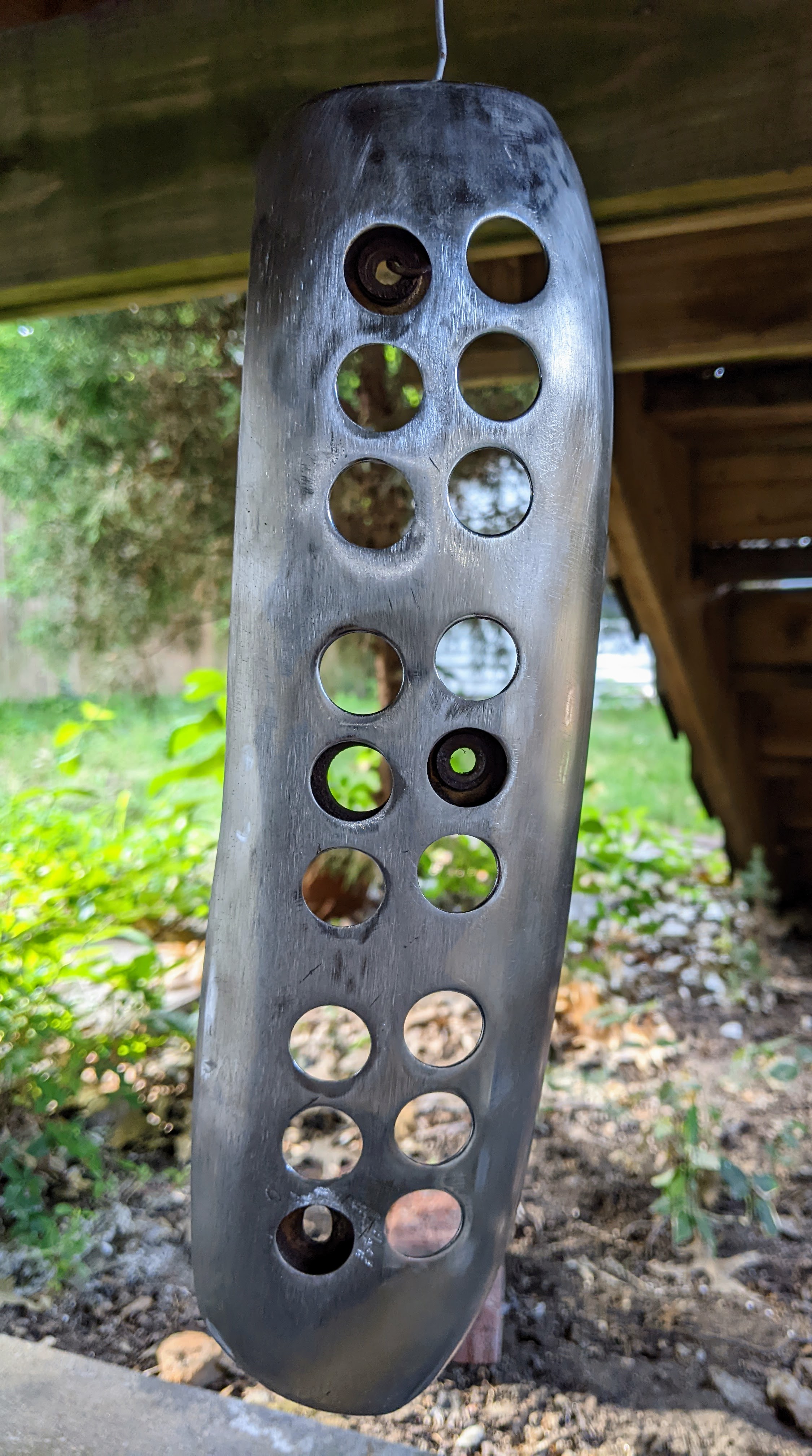
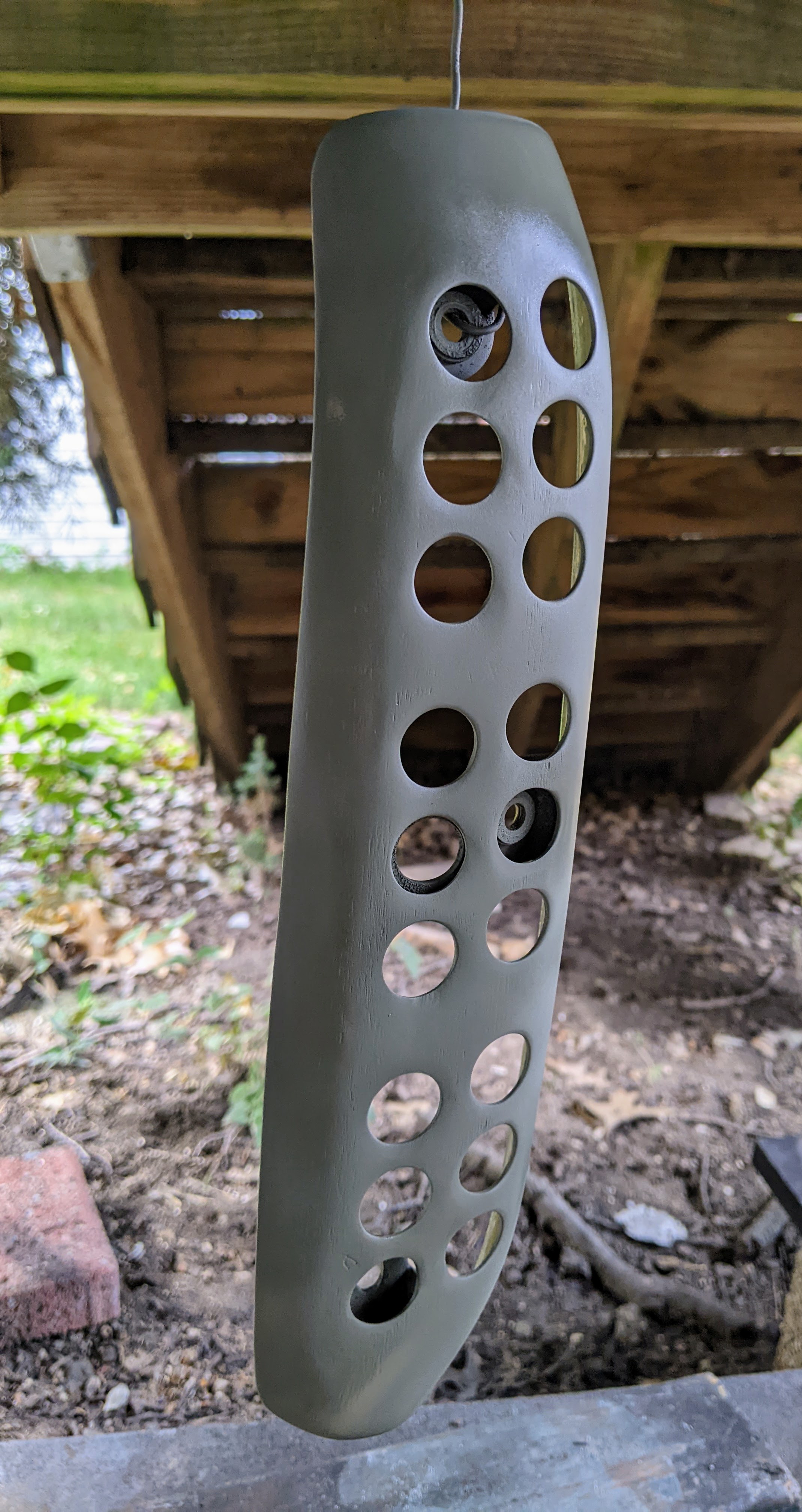
I hope that a flat black will minimize the visibility of these imperfections.

To get a sense of how powder coat might cover scratches you could spray them with a coat of flat black. The powder coater will likely sand/bead blast them so the paint shouldn't be an issue.
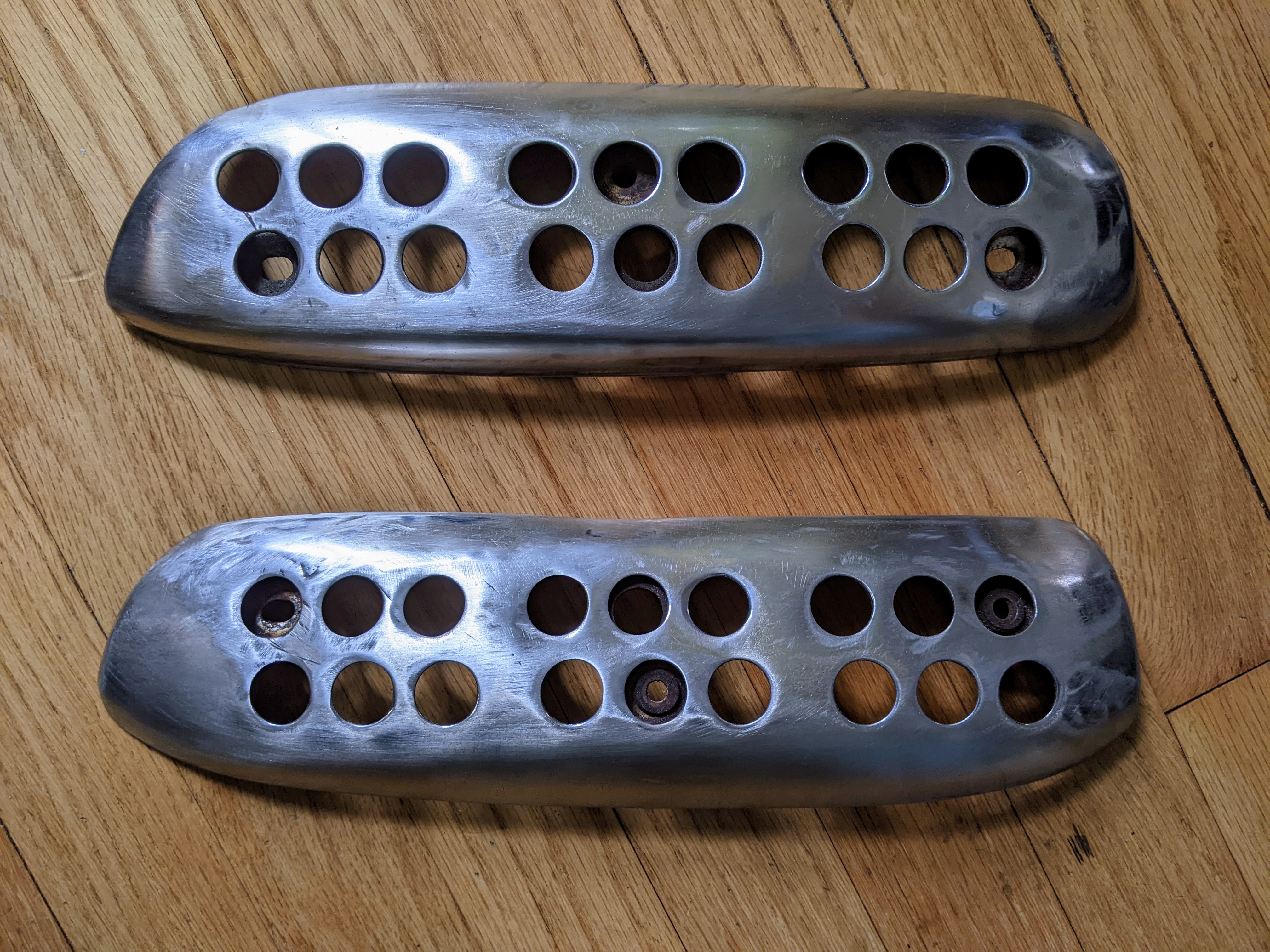
 
To get a sense of how powder coat might cover scratches you could spray them with a coat of flat black. The powder coater will likely sand/bead blast them so the paint shouldn't be an issue.

I had the same idea, except I had thought about using primer. I might do that tomorrow. I spent another 30-45 minutes hand sanding 150 to 400 to 600, all dry. I think I made some small progress.

NUBBdJm.jpg
 
Would there be any harm in soda blasting the surface rust off clutch plates? I think I'm going to try soda blasting the outsides of the engine side covers and sprocket cover as well.

I'm pretty sure the plates won't fit in my vibratory parts polisher, but I will check.
 
Would there be any harm in soda blasting the surface rust off clutch plates? I think I'm going to try soda blasting the outsides of the engine side covers and sprocket cover as well.

I'm pretty sure the plates won't fit in my vibratory parts polisher, but I will check.

Soda will remove the rust from the steel plates quite nicely I would imagine.
 
To get a sense of how powder coat might cover scratches you could spray them with a coat of flat black. The powder coater will likely sand/bead blast them so the paint shouldn't be an issue.
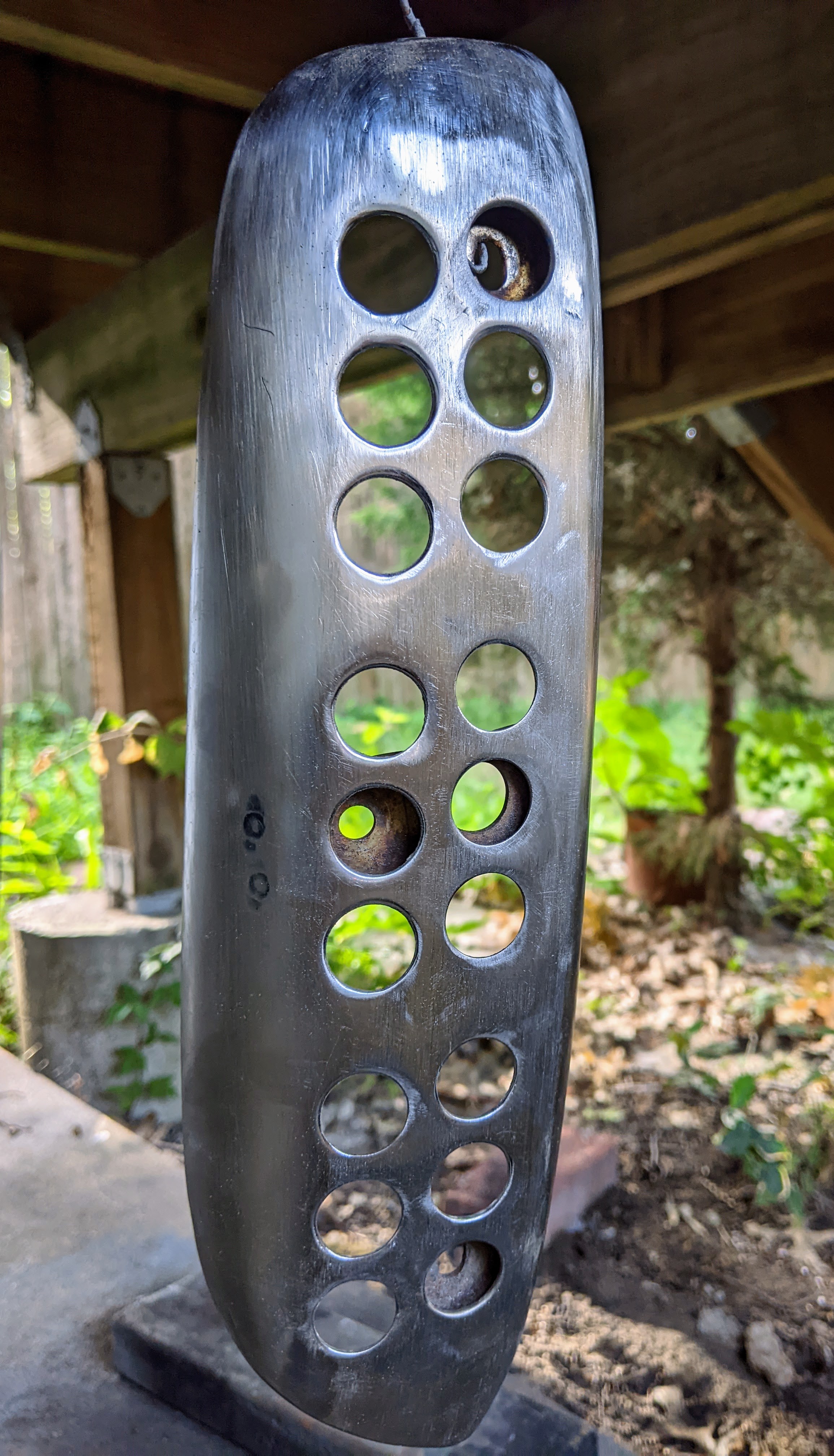
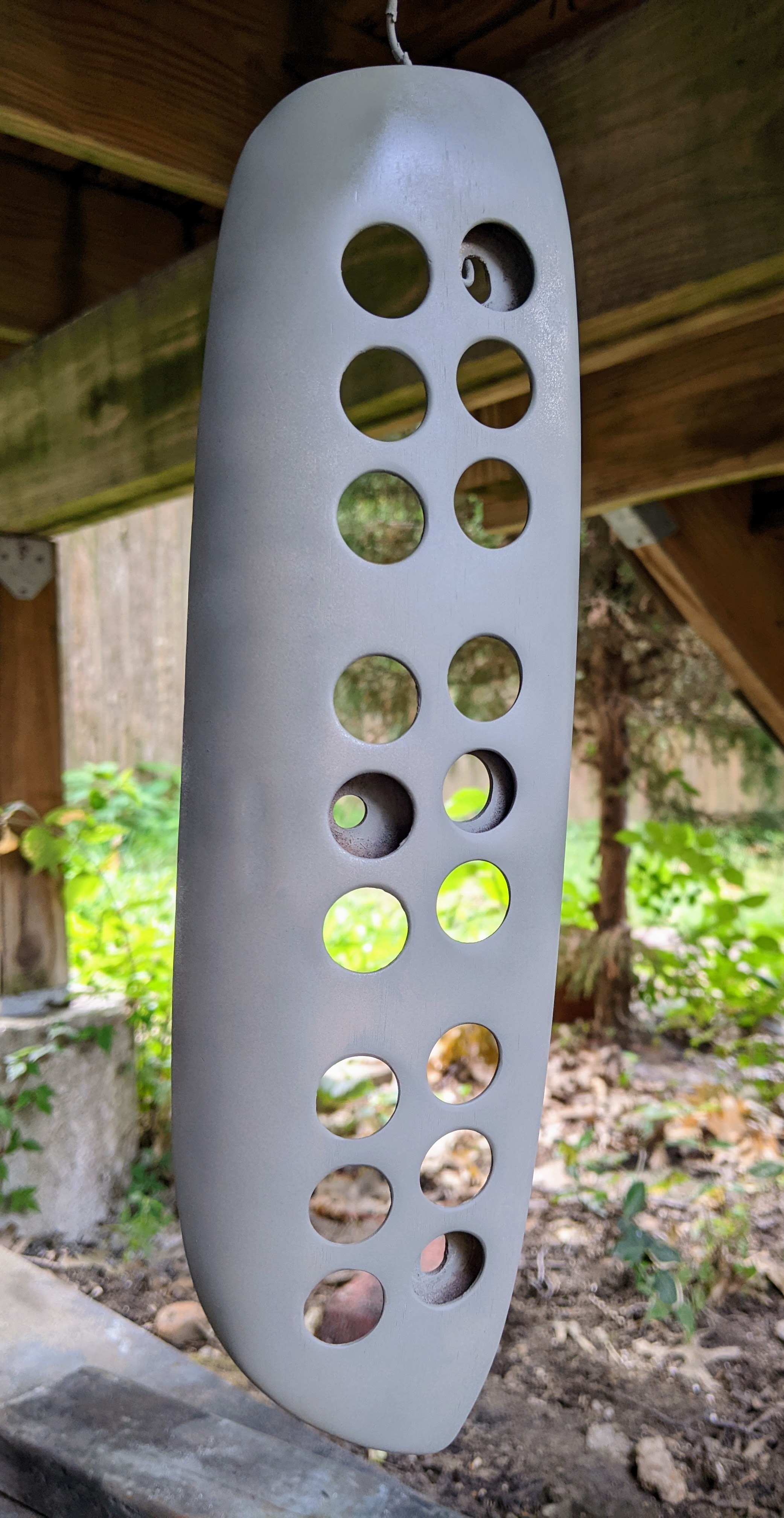
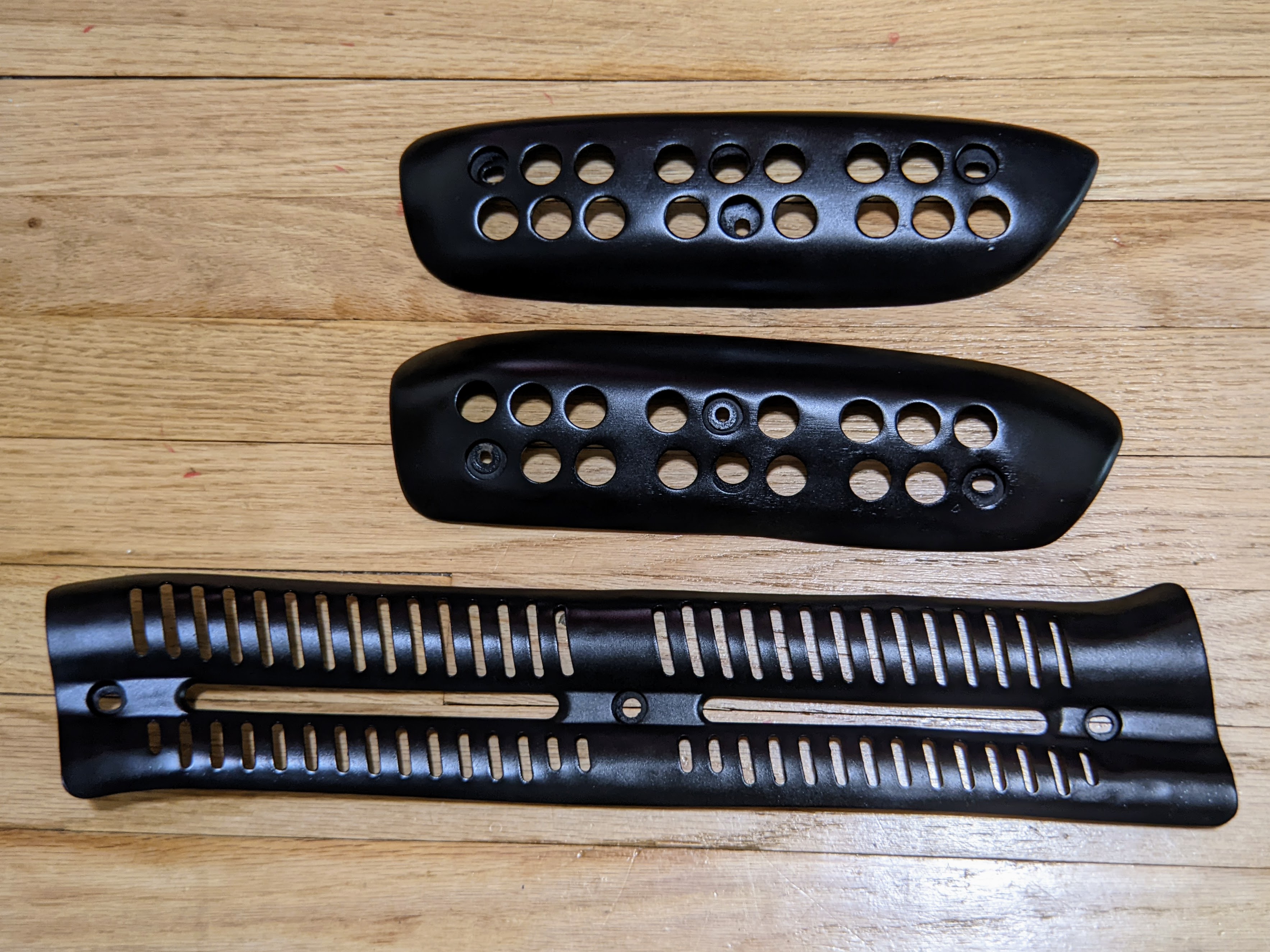
After thinking more about it, I am inclined to paint the shields myself using a SprayMax product rather than pay to have them professionally painted. I dropped off the headers and mufflers for ceramic coating in flat black this morning and picked up some self-etching Duplicolor primer to get started on the shields. It works out because I was planning to use some SprayMax black on a few other things and this will allow me to get more out of the can. I am planning to use Hot Rod Black on the shields which should make them stand out somewhat from the flat black mufflers and headers.

jdZoi2M.jpg


NQfVCa0.jpg


rzgNopR.jpg


I4FI3OW.jpg
 
Looks great from my house ;)
No, seriously they really look great.

As a side note I was just at my local auto supply hose and saw that same paint.

If the chrome fender on the CB400T is beyond salvage I may go the paint route.
 
Definitely looks good, but of course you'll see the flaws because you know exactly where they are.
 
I've seen on some other threads that a 5/16" ball bearing is an acceptable replacement for the #10 steel ball that goes between the clutch lifter rod and the internal clutch lever gizmo. The sprocket cover had been removed by the PO and was dangling by the clutch cable for a couple of decades, so it's no surprise that the original ball bearing had rolled off to parts unknown.


  • Is 5/16" acceptable?
  • Does the #10 mean anything with respect to the size of the ball bearing? 5/16" is about 8mm, so it doesn't seem to be the diameter.
 
I've seen on some other threads that a 5/16" ball bearing is an acceptable replacement for the #10 steel ball that goes between the clutch lifter rod and the internal clutch lever gizmo. The sprocket cover had been removed by the PO and was dangling by the clutch cable for a couple of decades, so it's no surprise that the original ball bearing had rolled off to parts unknown.


  • Is 5/16" acceptable?
  • Does the #10 mean anything with respect to the size of the ball bearing? 5/16" is about 8mm, so it doesn't seem to be the diameter.

Maybe someone here knows and can contribute to my miscellaneous knowledge of gauge, number, caliber, shot gauge, fractional......
I do know 5/16" seems a popular ammo for slingshots. I got a lifetime supply bag from amazon because I thought I would need them for my 60's bikes (which they don't), so am looking forward to using one on a 350 soon.
 
I do know 5/16" seems a popular ammo for slingshots. I got a lifetime supply bag from amazon because I thought I would need them for my 60's bikes (which they don't), so am looking forward to using one on a 350 soon.

What size do the 60's Hondas use?

I've had a few slingshots over the years — I would sometimes buy a cheap bag of marbles for ammo. They fly well and I could find some of them if my shots weren't too far off. Not enough space around here to use one.

Home Depot seems to carry ball bearings, so I think I'll pick one up tomorrow and see how it fits.
 
I've seen on some other threads that a 5/16" ball bearing is an acceptable replacement for the #10 steel ball that goes between the clutch lifter rod and the internal clutch lever gizmo. The sprocket cover had been removed by the PO and was dangling by the clutch cable for a couple of decades, so it's no surprise that the original ball bearing had rolled off to parts unknown.


  • Is 5/16" acceptable?
  • Does the #10 mean anything with respect to the size of the ball bearing? 5/16" is about 8mm, so it doesn't seem to be the diameter.
I found a chart a long time ago with ball gauge and measurements. #10 is a few thousandths different than 5/16", not enough to matter. Partzilla calls that ball a #10(5/16")
 
The 150's and 305's don't use any.

Better ballistics with the bearings, more ft/lbs of delivered energy. More TEOTWAWKI trivia.
 
Do you have a part number from the fiche?
The only thing I can think of is numbered drills but a #10 drill is a tick over 3/16" which if a 5/16" is close to the right size blows that theory out the window.
 
Do you have a part number from the fiche?
The only thing I can think of is numbered drills but a #10 drill is a tick over 3/16" which if a 5/16" is close to the right size blows that theory out the window.

Not the same number system. Like wire gauge and sheet metal gauge are two different.
 
Do you have a part number from the fiche?
The only thing I can think of is numbered drills but a #10 drill is a tick over 3/16" which if a 5/16" is close to the right size blows that theory out the window.

The part no. is 9621-110-000. I've been trying to find a sizing chart like Jim mentioned finding in the past, but nothing I've turned up so far seems to jive. Not a big deal, but a curiosity.

Most listings, e.g., on eBay, show genuine Honda parts as both #10 and 5/16", so I wonder if the original numbered standard used by Honda is now obsolete.
 
I worked with a lot of ball bearings from many countries of manufacture, in the bicycle industry, since 1970 and never encountered a numbered sizing system. It is curious and it must have meant something to someone at some point in time.
 
I had a plastic bag with a few extra balls left over from a redo on the top of the fork of an elderly Honda Elite 250 scooter, and when the old ball on my 450 decided to roll out of my life I plopped one in. Seems fine. A generous smear of sticky grease (also left over from the fork job) kept it in place during assembly.
 
I worked with a lot of ball bearings from many countries of manufacture, in the bicycle industry, since 1970 and never encountered a numbered sizing system. It is curious and it must have meant something to someone at some point in time.

I figured. You don't go around with a name like ballbearian without having a few run-ins with ball bearings! If anyone knew, I would expect it to be you.

I had a plastic bag with a few extra balls left over from a redo on the top of the fork of an elderly Honda Elite 250 scooter, and when the old ball on my 450 decided to roll out of my life I plopped one in. Seems fine. A generous smear of sticky grease (also left over from the fork job) kept it in place during assembly.

I picked up a few 5/16" ball bearings this morning at HD for $2.75 each. Surprisingly, the unit price seems to be lower for the genuine Honda part, but it felt silly to order one by mail. I'll definitely give it a good coat of grease when I install the sprocket cover. I'm actually cleaning out all of the old grease for this build, whereas in the past I typically just added new to old.
 
I picked up a few 5/16" ball bearings this morning at HD for $2.75 each. Surprisingly, the unit price seems to be lower for the genuine Honda part, but it felt silly to order one by mail.

It's a ridiculous sign of corporate markup that you would have to pay that much for a single ball bearing locally, and even more ridiculous that it ends up being cheaper than buying a lower-priced one from a Honda parts supplier that would end up more expensive due to shipping. Which is why places like HD and Lowe's get away with it and have driven most of the hardware stores either out of business or to the same markup level.
 
It's a ridiculous sign of corporate markup that you would have to pay that much for a single ball bearing locally, and even more ridiculous that it ends up being cheaper than buying a lower-priced one from a Honda parts supplier that would end up more expensive due to shipping. Which is why places like HD and Lowe's get away with it and have driven most of the hardware stores either out of business or to the same markup level.

I couldn't agree more. Seems like something that should be less than a buck.
 
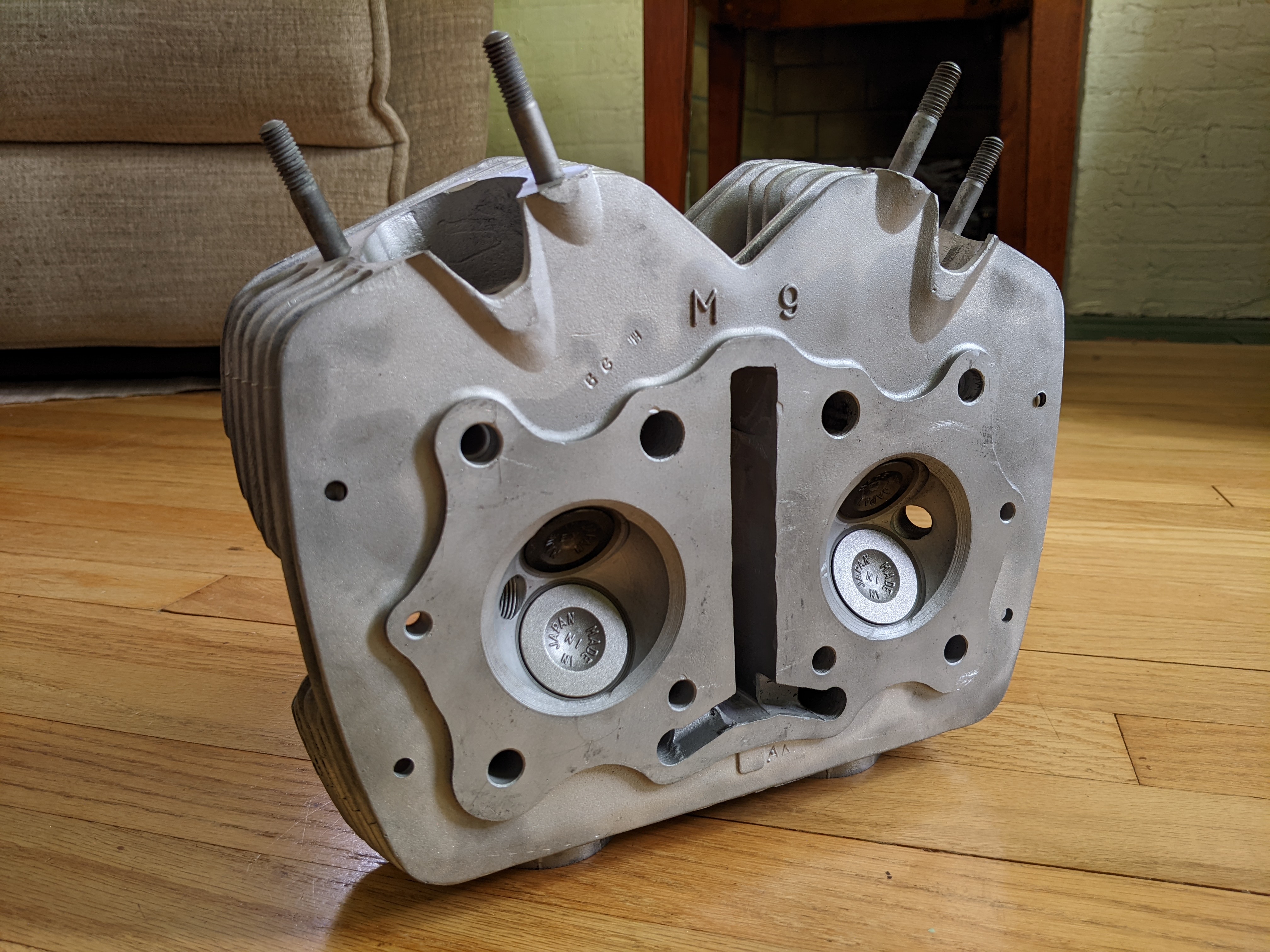
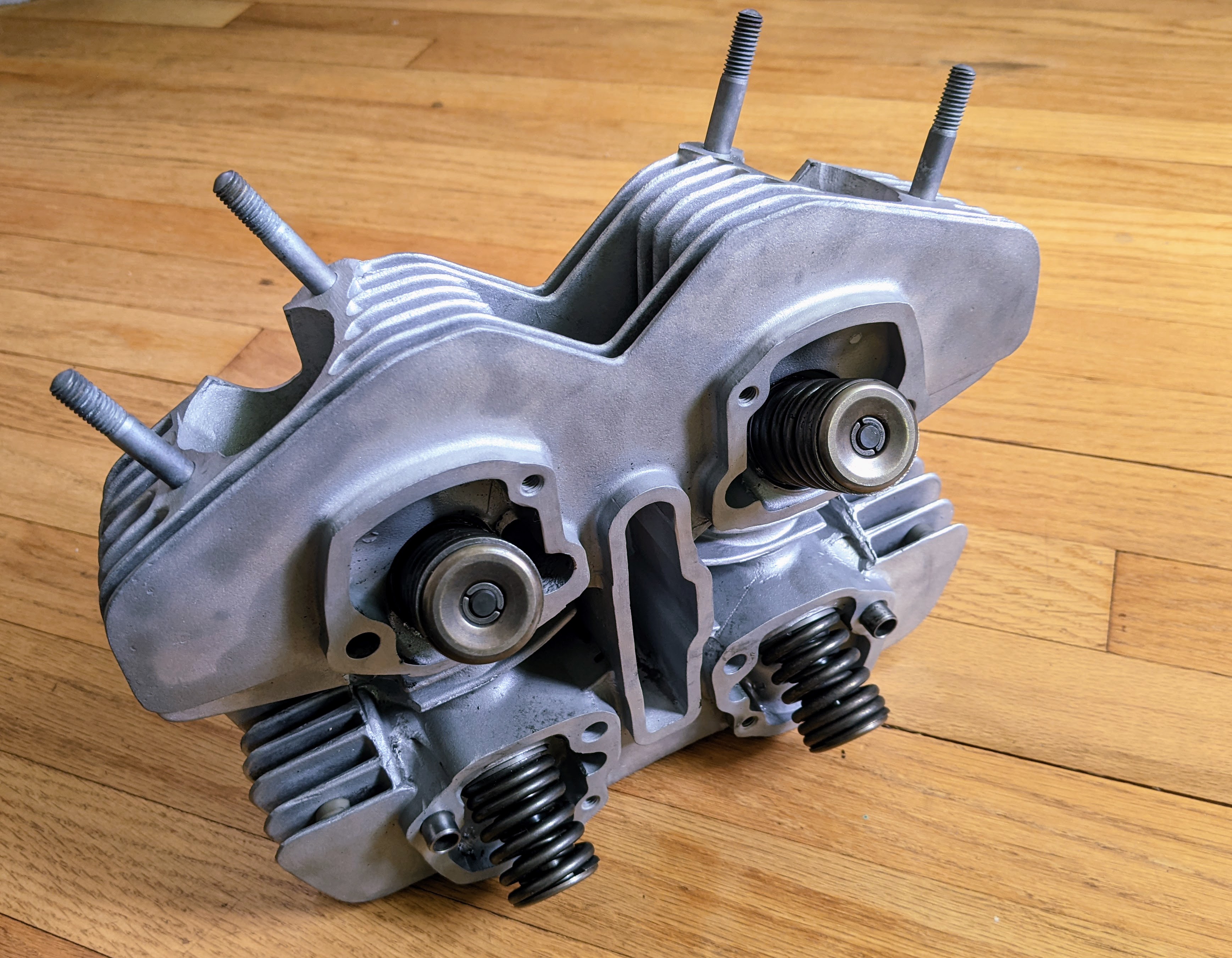
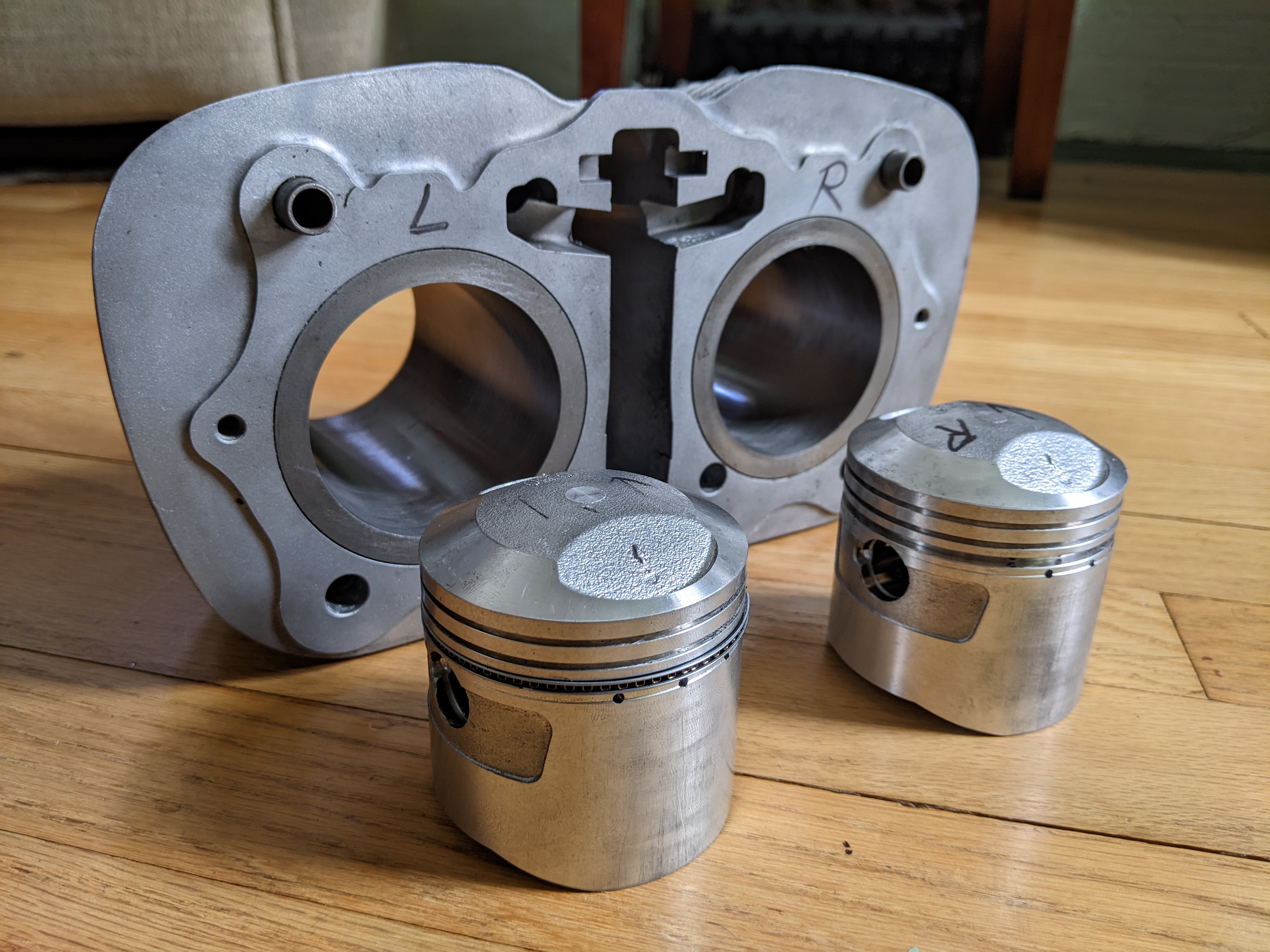
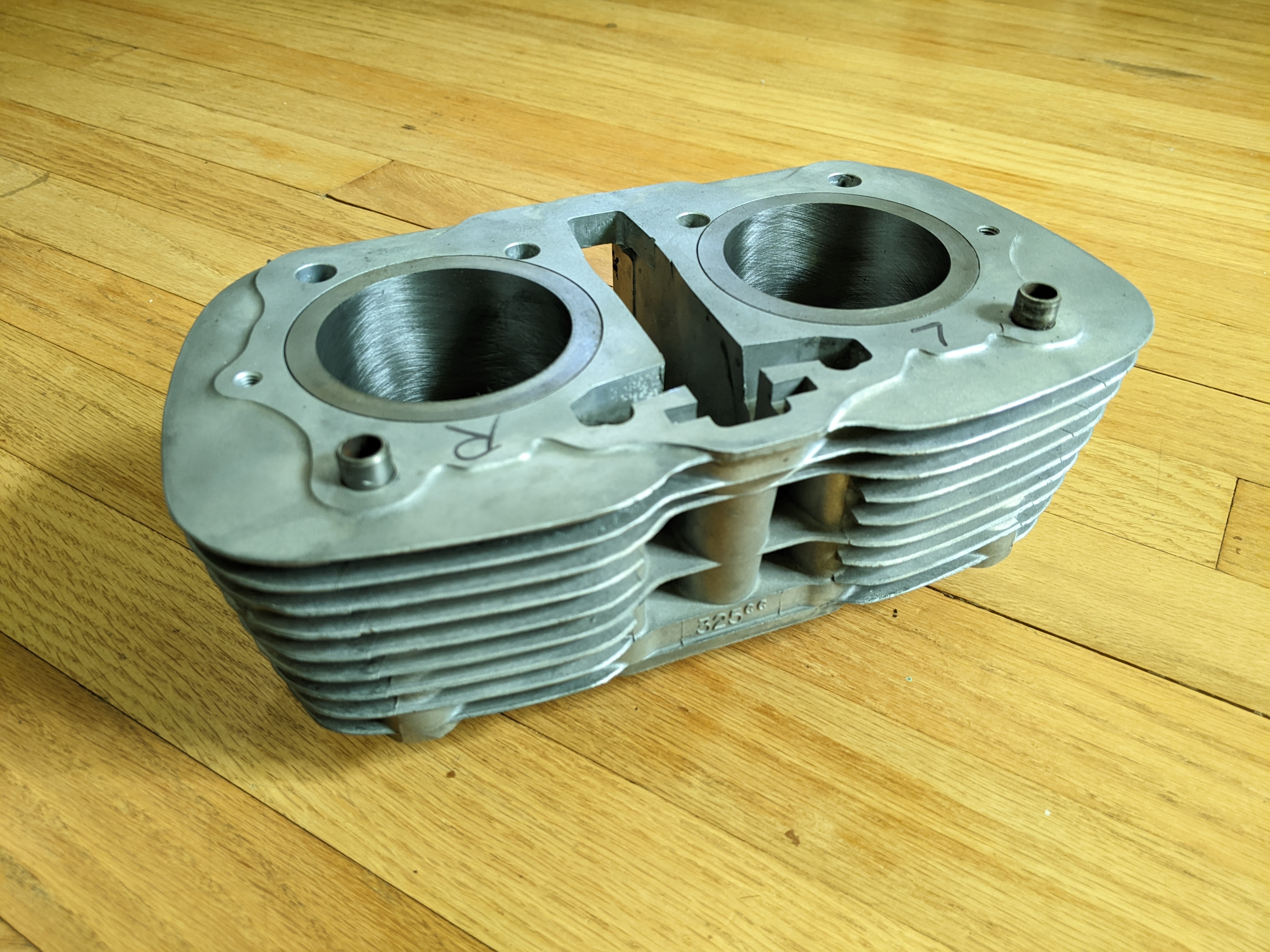
I picked up my cylinder and head from the moto shop today. The owner does the work and told me that the two pistons measured differently, so he matched them to the appropriate cylinders.

1bfTI5s.jpg


WEIDmQy.jpg


I bought a set of new Shin Nippon valves and he chose the best springs among the two complete sets from my motors for reassembly.

gkgKf5i.jpg


svIZJm6.jpg


I should've looked closer at the gasket/seal kit I ordered. It did not include the three seals needed for the cases, so I ordered those seals yesterday. If not for that screw-up I would be sealing the cases today.
 
I couldn't agree more. Seems like something that should be less than a buck.

I worked at a real neighborhood hardware store in Tampa in '75 for a few months before my last Honda shop job, and thinking about the pricing of stuff then compared to today is stunning, not to mention the way things were sold then. You could walk in and buy a half pound of 10p nails for dirt, probably a dollar or two. Nuts and bolts were sold separately, not in a box of more than you needed, and were so cheap that sometimes if a customer only wanted one we'd just give it to them, made for return customers. Today they have to make 200% profit or they somehow don't call it successful business (and of course, CEOs made 399 times what the average worker made in 2021 compared to about 20 times the average worker in 1965)
 
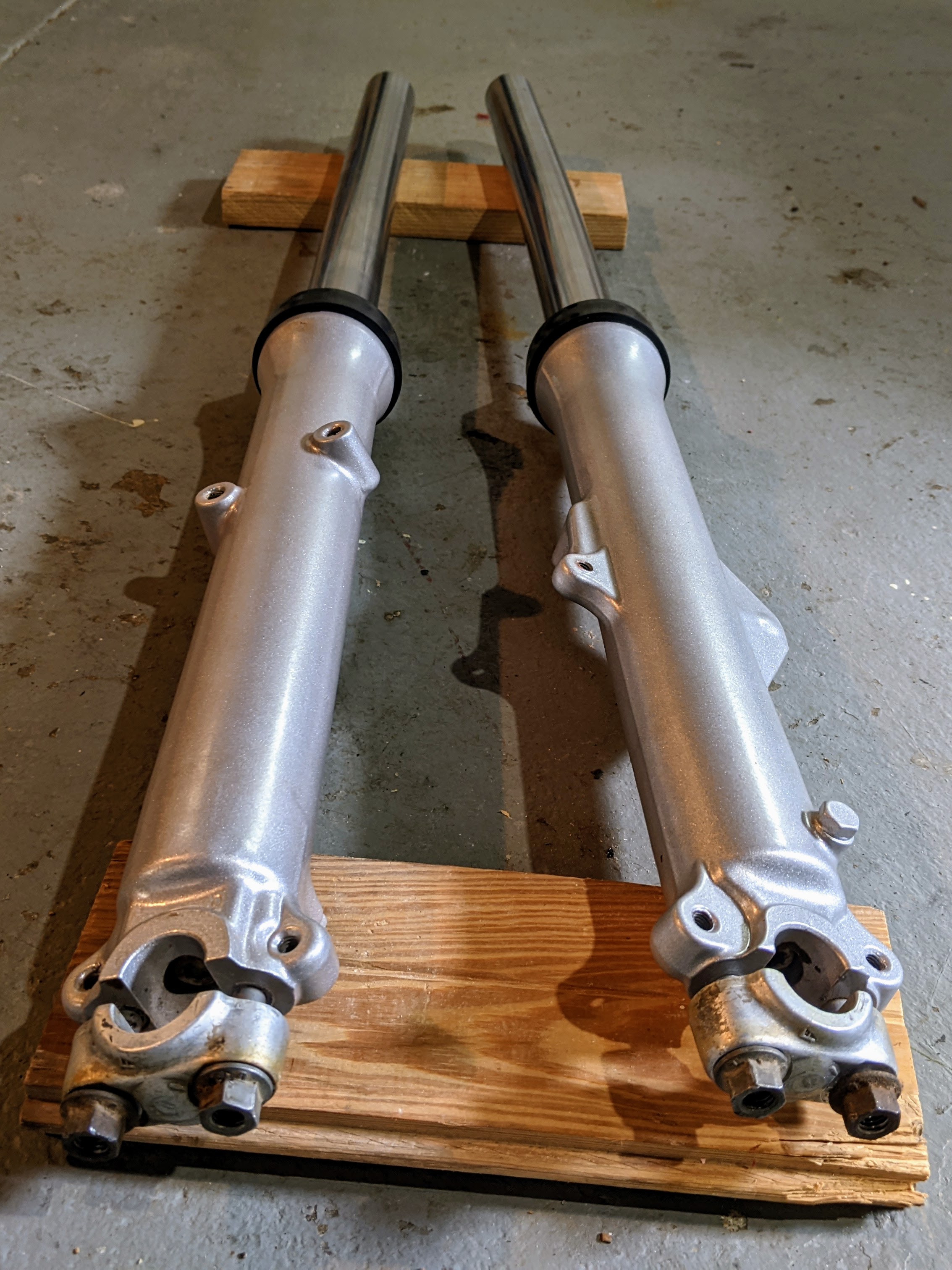
Did you try rotating the tubes in the lower legs to see if they're straight? Just a thought considering they're used and you never know what they've been through
 
It's quite common for the pistons to be very slightly different in sizing, we're talking in ten or hundred thousandths. Good quality machinists check each piston and adjust the bore to match, poor quality pick the largest and bore all the cylinders to that.
 
Did you try rotating the tubes in the lower legs to see if they're straight? Just a thought considering they're used and you never know what they've been through

I haven't specifically tried that, but I will. Does one look off to you?

It's quite common for the pistons to be very slightly different in sizing, we're talking in ten or hundred thousandths. Good quality machinists check each piston and adjust the bore to match, poor quality pick the largest and bore all the cylinders to that.

This is probably my fourth time having a cylinder bored and honed. First time at this shop and also the first time the pistons have been matched to the bores — I'm glad I didn't go back to the other shops this time.
 
Asking about piston to bore matching is one of the trick questions to ask a machine shop. Good ones know immediately what you're asking, bad ones need an explanation.
 
You want to select a bearing ball that will just fit into the hole in the clutch lifter without binding. The idea is to keep the release rod as well centered as possible, to help the pushrod seal to last longer.
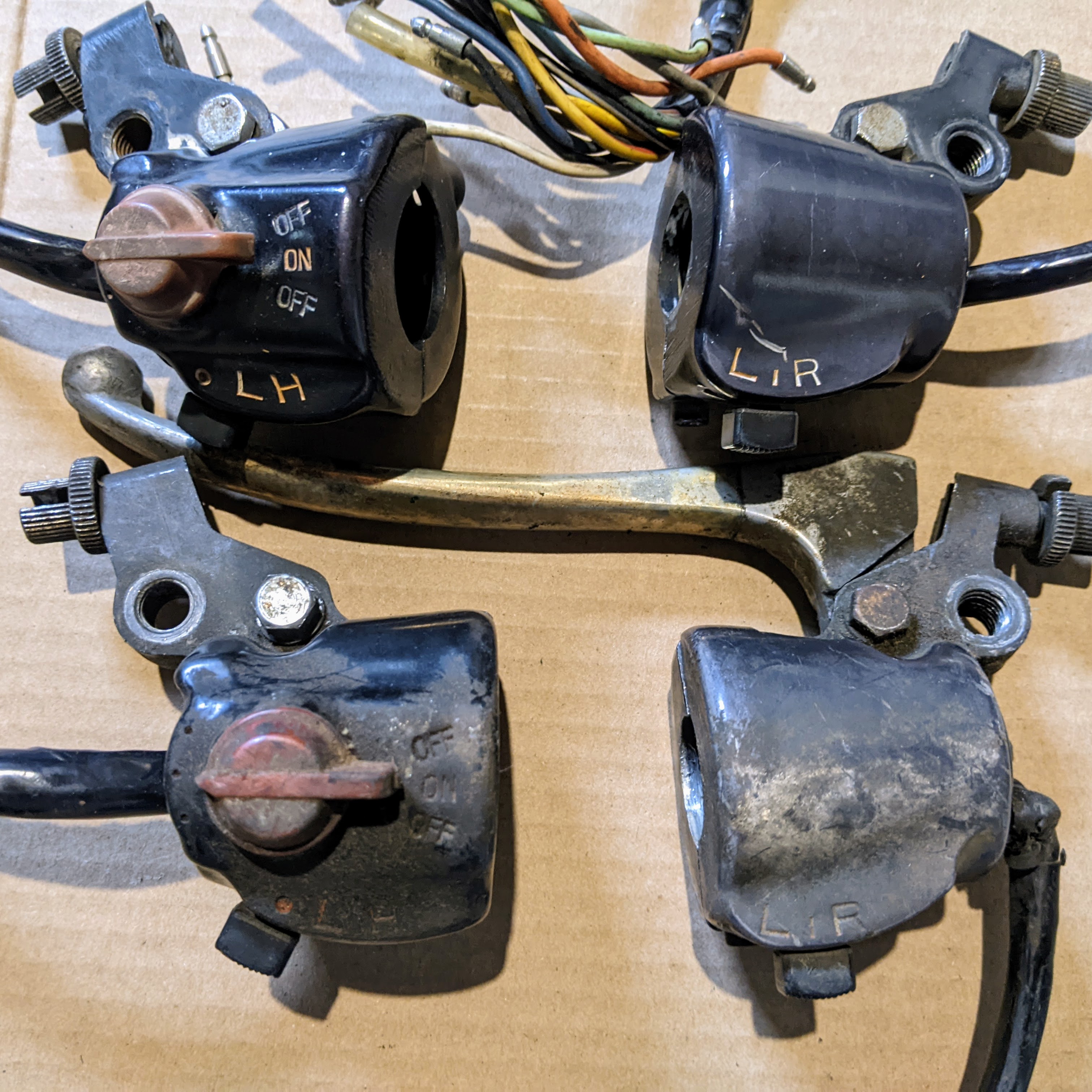
 
Always pays to keep track of spare parts. Below is a comparison of the left/right controls from my parts bike 1972 CL450 (top) and the project bike 1971 CB350 (bottom). Easy choice. The sheathing on the CL450 wiring is still clean and pliable, so it shouldn't be too difficult to pull it through the handlebars. I plan to clean and inspect all connections first, though.

A1td5qc.jpg
 
Carefully use a little carb spray on a clean rag and that kill switch knob will clean up a little. Won't look new but it will remove some of the 'dirty' look.
 
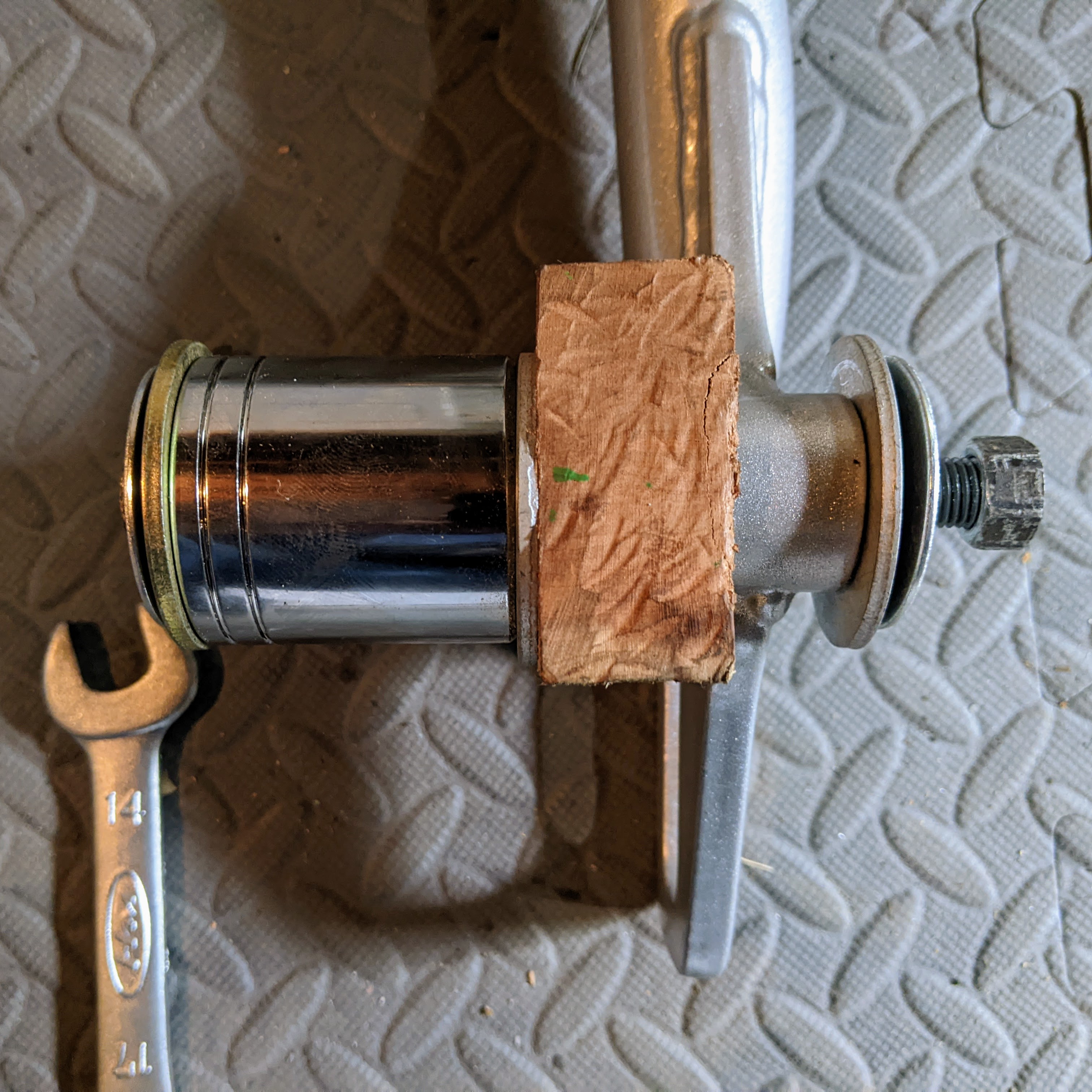
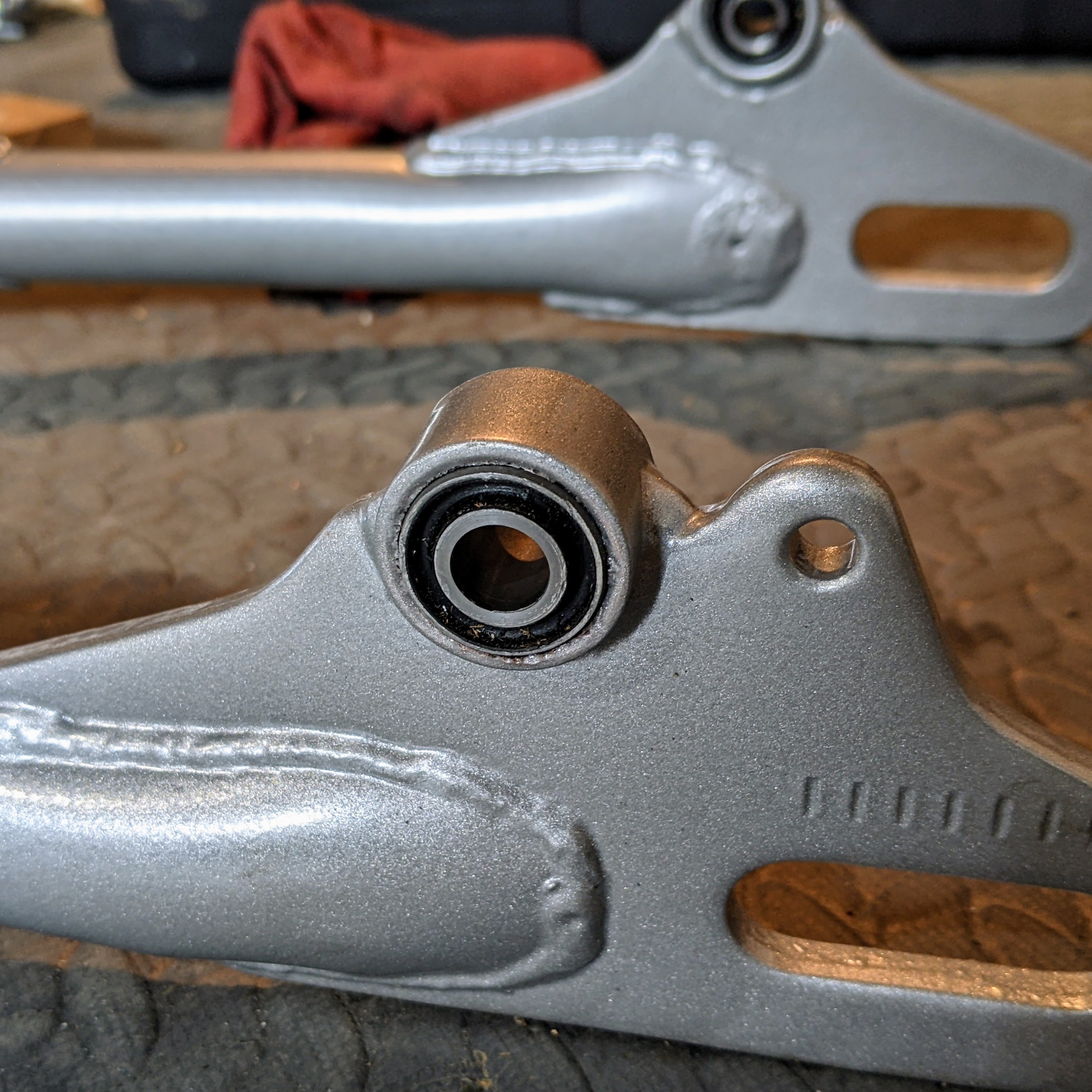
I took care of a couple of loose ends this afternoon. The first task was to drive the new shock bushings into the swingarm. I tried using a C-clamp at first and got the new bushings started, but couldn't get them all the way in with the C-clamp. I even used one of the old shocks as a cheater bar — it was the closest thing around that would do the job and I have new shocks for this project. I managed to bend the C-clamp so badly that the pad ends up about an inch off-center when you screw it in all the way. So, I finished the job using the "socket method" after scrounging up all of the necessary components.

qov7hDa.jpg


LwrWNxo.jpg


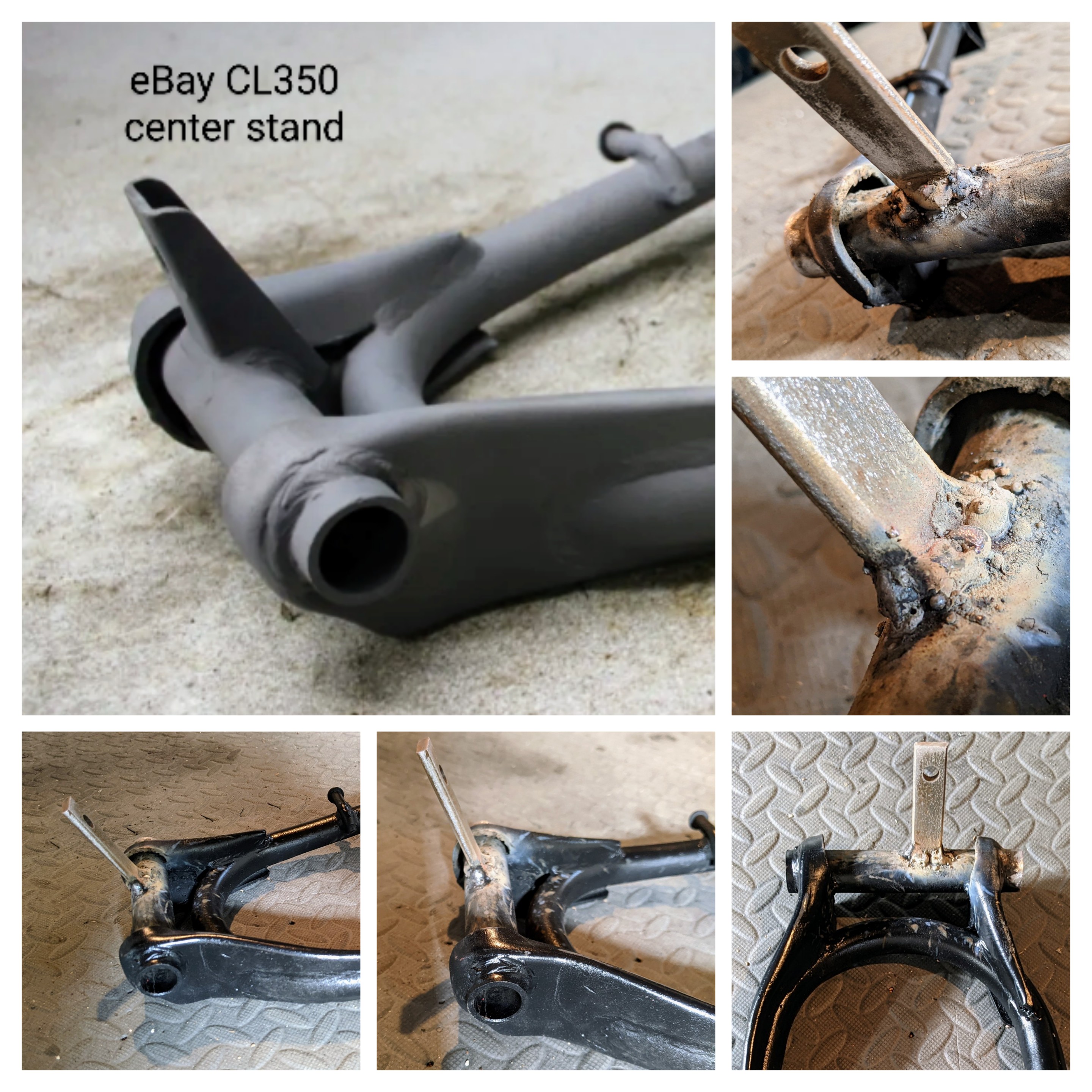
The second task was to modify the CB350 center stand that I picked up at the salvage yard to include a stop similar to the one on the CL350 center stand. My bike came with high pipes and no center stand and, to me, the center stand is a must. I used a photo of a CL350 center stand from eBay as a guide.

aOXhR91.jpg
 
Centerstand stop looks like it should work fine, though it seems a little bit long. Hopefully the angle is the same so it doesn't hang down more than it should, the eye test seems right. I ended up using a deep socket and big automotive shock washer from my father's leftover assortment of nuts and bolts to do just what you did for the swingarm bushing installation.
 
Centerstand stop looks like it should work fine, though it seems a little bit long. Hopefully the angle is the same so it doesn't hang down more than it should, the eye test seems right. I ended up using a deep socket and big automotive shock washer from my father's leftover assortment of nuts and bolts to do just what you did for the swingarm bushing installation.

Thanks. It would have been much better to obtain measurements from an CL center stand, but I think this will work even if it requires some modification. Shortening will be easier than lengthening. I just hope the angle is close enough to not cause problems.

For the bushings, I had to mix and match washers to get something thick enough to take the load yet with a small enough inner radius to prevent the nut or bolt head from going through. The block was intended to protect the paint, but I also needed the width to get on the threaded part of the bolt.
 
When the center stand is up the stopper bar is perpendicular to the pivot and roughly parallel with the frame. When down the stopper bar is roughly parallel with the ground.
The rubber stopper is @1" up from the pivot top.
I can take better pictures if needed.
RIMG0460 (2).JPG
 
When the center stand is up the stopper bar is perpendicular to the pivot and roughly parallel with the frame. When down the stopper bar is roughly parallel with the ground.
The rubber stopper is @1" up from the pivot top.
I can take better pictures if needed.

Thanks, Jim. I'll have to wait until it's time to install the stand to compare. I'm planning to place the frame over the motor before adding anything else.
 
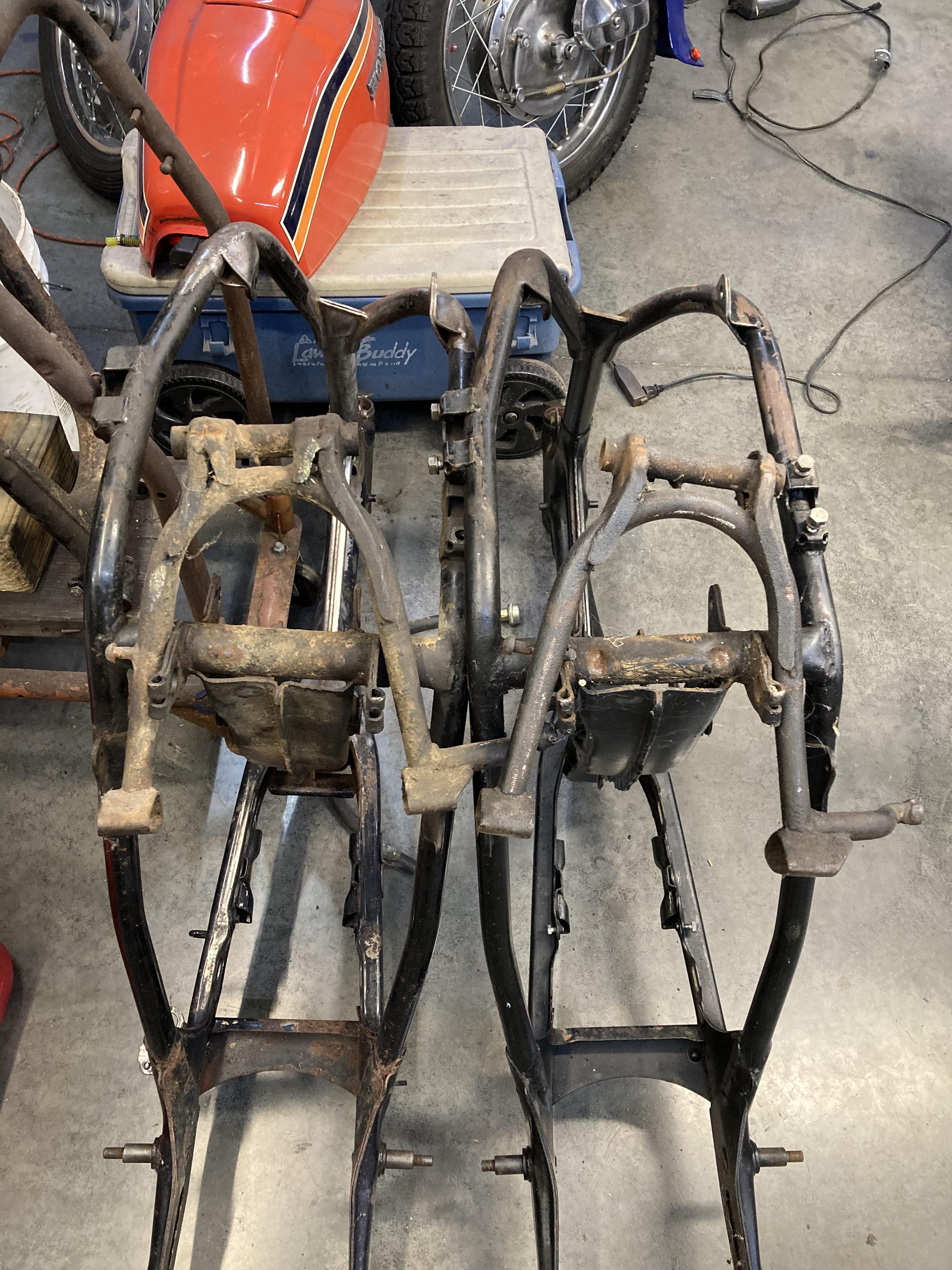
I will have an extra CL centerstand soon, probably the one on the right, from a 71. The left is from the 73 and has more surface area for the contact with the large frame cross tube. You can see the dents on the right frame (looks like abuse to me) which is the 71 that is the keeper. I'll fill and weld more metal to make it even.

Sorry for diversion here, but if the one you are doing isn't satisfactory, I'll donate another.

DbPuRDQ.jpg
 
Thanks. It would have been much better to obtain measurements from an CL center stand, but I think this will work even if it requires some modification. Shortening will be easier than lengthening. I just hope the angle is close enough to not cause problems.

For the bushings, I had to mix and match washers to get something thick enough to take the load yet with a small enough inner radius to prevent the nut or bolt head from going through. The block was intended to protect the paint, but I also needed the width to get on the threaded part of the bolt.
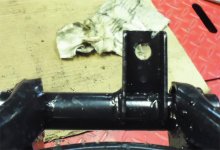
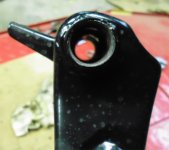
Let me know if you need better photos or other measurements.
The rubber bumper that goes in the hole is still available from Honda.
 

Attachments

  • CL350_centerstand_stop_1.jpg
    CL350_centerstand_stop_1.jpg
    133.8 KB · Views: 4
  • CL350_centerstand_stop_2.jpg
    CL350_centerstand_stop_2.jpg
    120.3 KB · Views: 4
  • CL350_centerstand_stop_3.jpg
    CL350_centerstand_stop_3.jpg
    114.3 KB · Views: 6
Back
Top Bottom